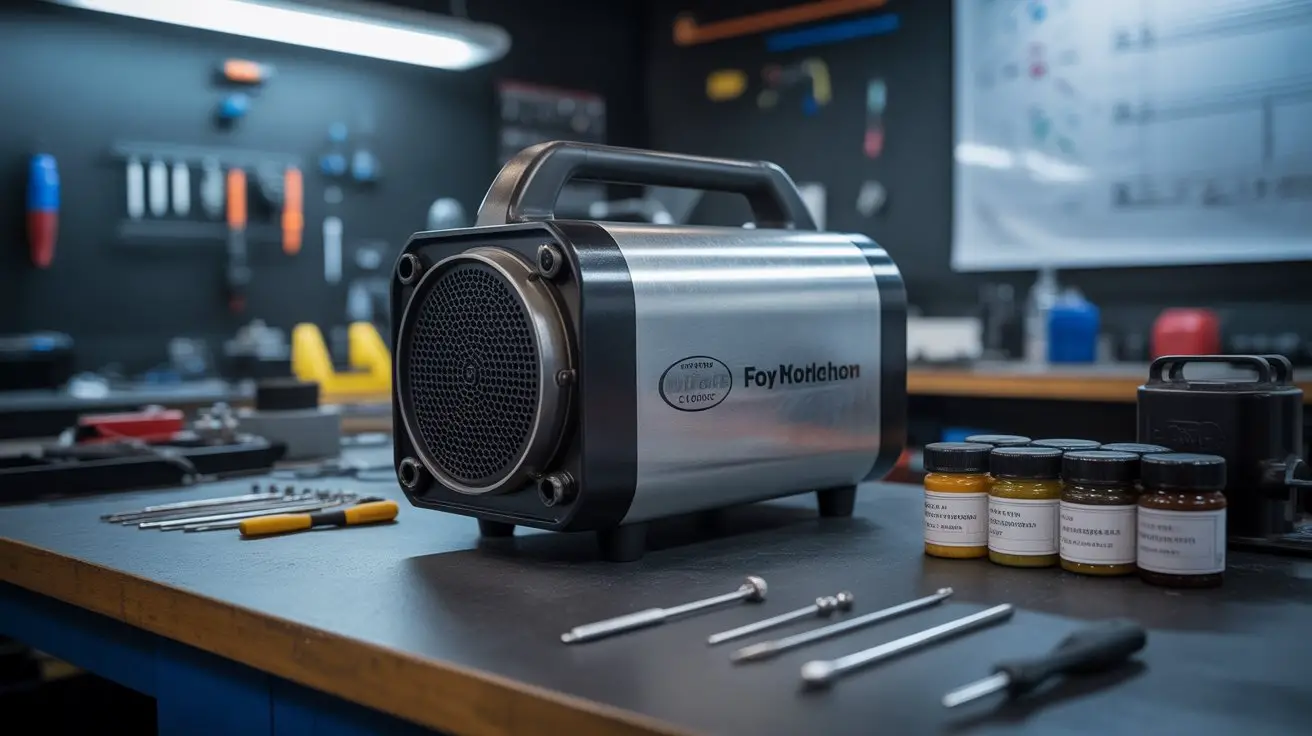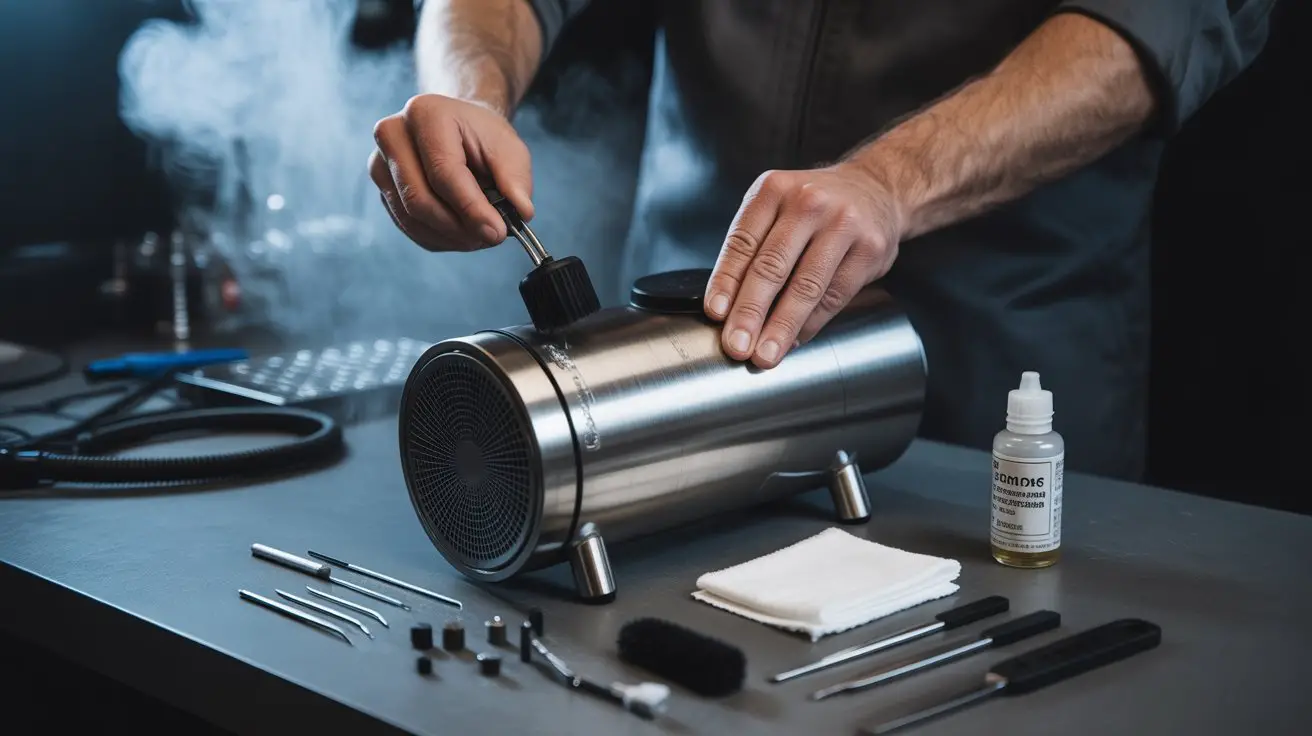
You’ll encounter fog machine clogs when vaporized fluid residue accumulates in your heating chamber and pump lines, creating blockages that restrict flow and reduce output density. These obstructions typically develop from using incompatible fluid viscosities, inadequate flushing cycles, or operating at incorrect temperature parameters. If you’re experiencing reduced fog volume, intermittent output, or complete system failure, specific maintenance protocols can eliminate these issues before they compromise your equipment’s performance during critical operations.
Understanding How Fog Machines Work and Why They Clog
Fog machines generate atmospheric effects by heating specialized fog fluid through an internal heat exchanger system until it vaporizes and exits the nozzle as dense, visible vapor.
You’ll encounter clogs when residue accumulates within the heating chamber or output nozzle. This buildup occurs from three primary sources: using incorrect fluid formulations, operating at excessive temperatures, or allowing fluid to crystallize during cool-down periods.
When you use water-based fluids with glycol or glycerin, these compounds can caramelize under high heat, creating sticky deposits.
If you don’t purge the system after each use, residual fluid hardens inside heating elements. Temperature spikes beyond manufacturer specifications accelerate this process.
Additionally, dust and debris entering through the fluid reservoir can combine with heated compounds, forming stubborn blockages that restrict vapor flow and reduce output efficiency. Using water-based fog fluids minimizes the potential for residue, which can help maintain optimal performance and prevent clogs.
Choosing the Right Fog Fluid for Your Machine
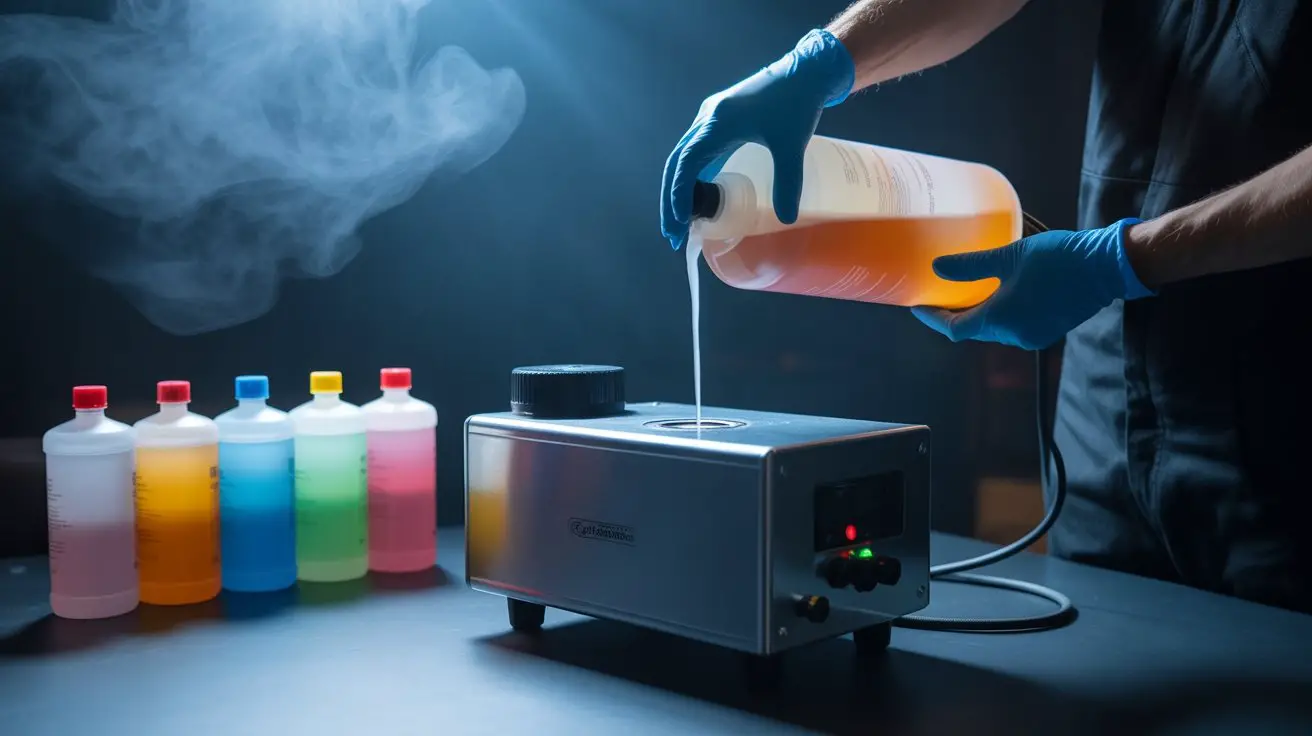
Most commercial fog fluids fall into three distinct categories: water-based glycol solutions, water-based glycerin formulations, and oil-based compounds.
You’ll need to match your fluid viscosity to your machine’s pump specifications. Check your manual’s recommended viscosity range—typically 15-25 centipoise for standard units.
Water-based glycol fluids offer ideal flow rates and minimal residue buildup. They’re perfect for heated fog machines with standard heating elements.
Glycerin-based solutions produce denser fog but increase pump workload. Use these only if your machine’s pump pressure exceeds 40 PSI.
Avoid oil-based compounds in water-designed systems—they’ll crystallize in heating chambers, causing immediate blockages.
Always verify fluid compatibility through manufacturer cross-reference charts. Test new fluids in 10-minute intervals, monitoring output consistency and pump pressure readings. Additionally, glycol-based fluids are known for their historical usage in theatrical productions since the 1820s, making them a reliable choice for fog effects.
Proper Storage and Handling of Fog Fluid
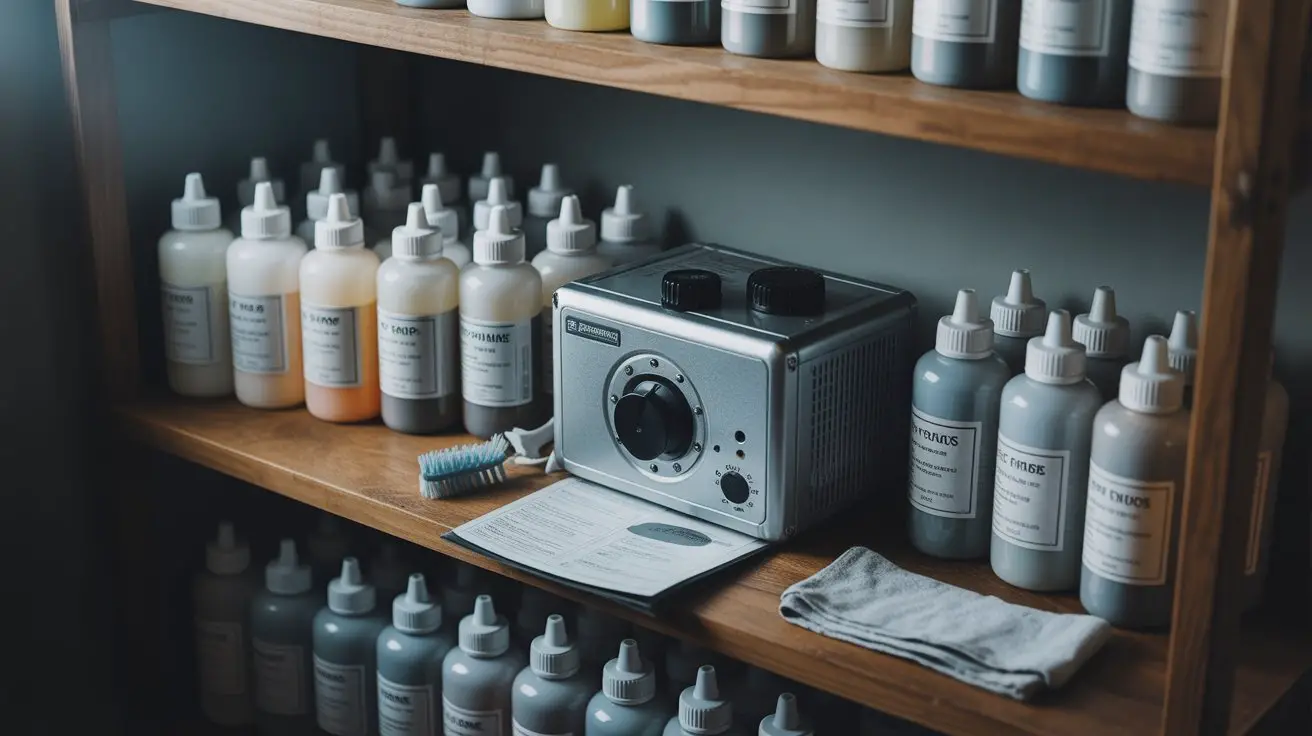
Your fog fluid’s performance directly depends on how you store and handle it before machine operation.
Store fluid containers in temperatures between 50-80°F to prevent glycol separation and viscosity changes. Keep containers sealed tightly—exposure to air causes fluid degradation and particulate contamination. Position storage areas away from direct sunlight, as UV rays break down chemical compounds.
Before each use, shake containers gently to remix settled components. Check fluid clarity through the container—cloudy appearance indicates contamination or separation. Filter questionable fluid through cheesecloth to remove particles that’ll clog internal components.
Never dilute concentrated fluids with tap water—minerals cause residue buildup. Use only distilled water per manufacturer specifications, as using mineral or tap water can damage the fog machine.
Replace fluid showing discoloration, unusual odor, or visible particles. Contaminated fluid creates blockages requiring extensive cleaning procedures.
Pre-Event Setup and Machine Preparation
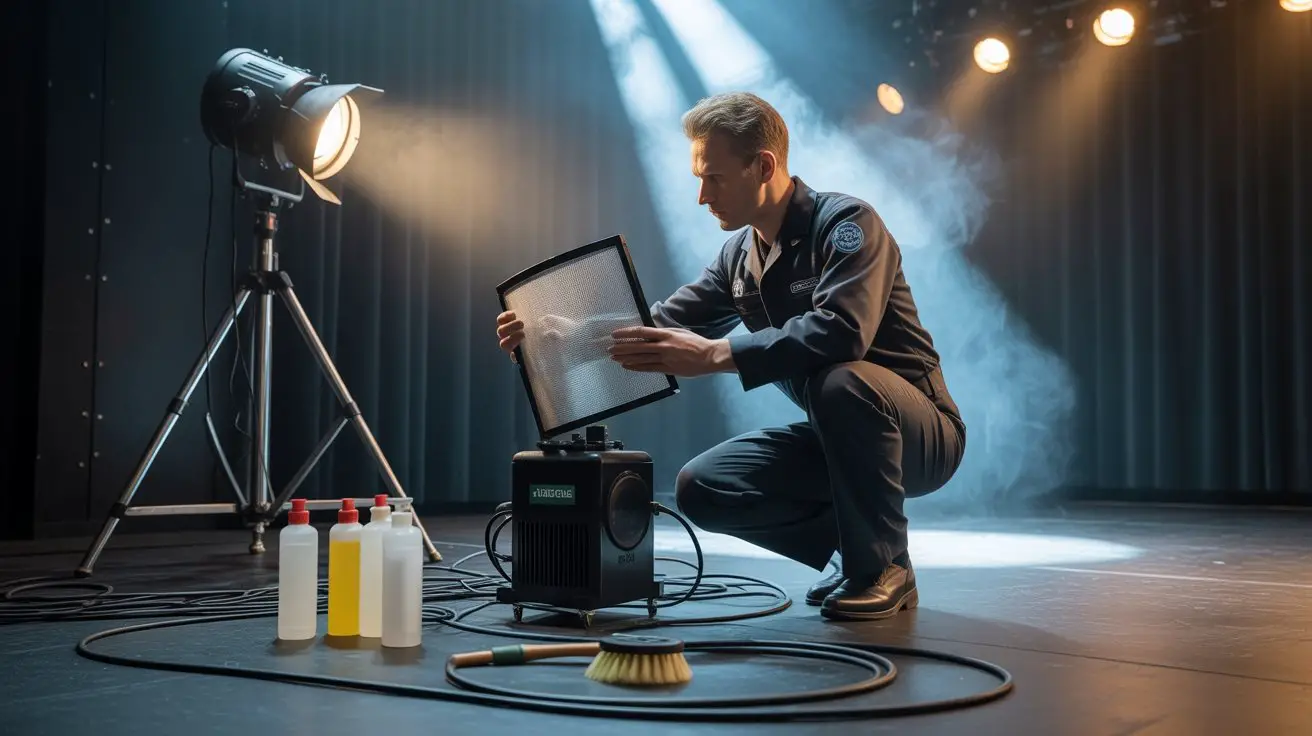
Before powering up your machine, conduct a systematic inspection of all fluid pathways and heating elements.
Check intake lines for crystallized residue or blockages using a flashlight. Verify fluid reservoir connections aren’t cross-threaded or loose.
Test heating block continuity with a multimeter—resistance should read within manufacturer specifications.
Prime the system by manually cycling fluid through lines before electrical startup.
Remove air pockets by tilting the machine at 45-degree angles while priming. Inspect nozzle orifices for debris accumulation using compressed air at low PSI settings.
Run a five-minute partial-load test cycle using distilled water only.
Monitor temperature readings on your thermal gauge—they shouldn’t fluctuate beyond normal parameters.
Document baseline pressure readings for troubleshooting reference during operation. Additionally, regular maintenance can significantly improve your machine’s performance and prevent clogs.
Regular Cleaning and Maintenance Schedule
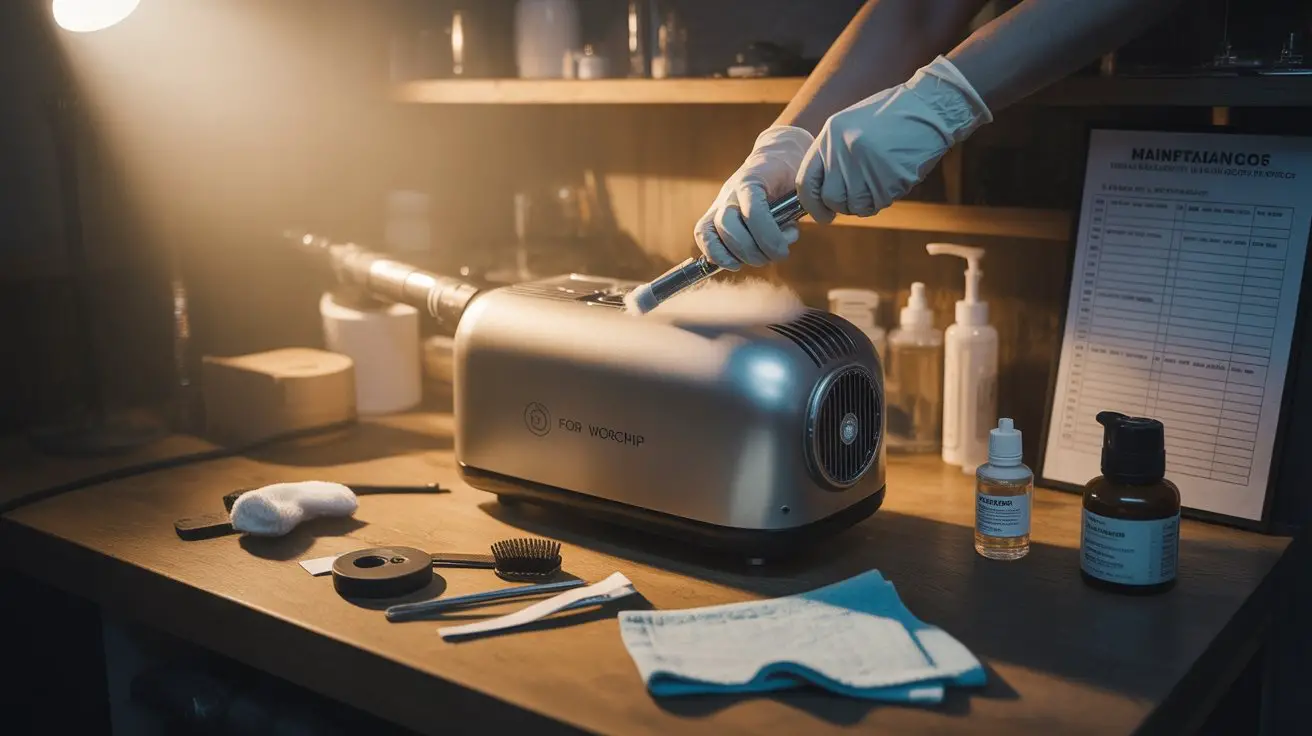
While proper pre-event preparation prevents most immediate failures, establishing a systematic maintenance protocol guarantees long-term operational reliability. You’ll need a weekly inspection schedule focusing on fluid reservoir contamination, pump mechanism degradation, and heating element calcification. After every 20 operating hours, flush the system with distilled water to remove residual fog fluid deposits. Additionally, ensure to use high-quality fog juice to prevent buildup and clogs in the system. Monthly deep-cleaning requires disassembling the heating block and soaking components in manufacturer-approved cleaning solutions for 30 minutes. Document pump pressure readings, fluid consumption rates, and output density measurements to identify performance degradation patterns. Replace worn pump seals immediately when you notice pressure drops exceeding 10%. Clean intake filters bi-weekly using compressed air, and inspect electrical connections for corrosion monthly. This preventive approach eliminates 90% of clog-related failures.
Preventing Residue Buildup During Operation
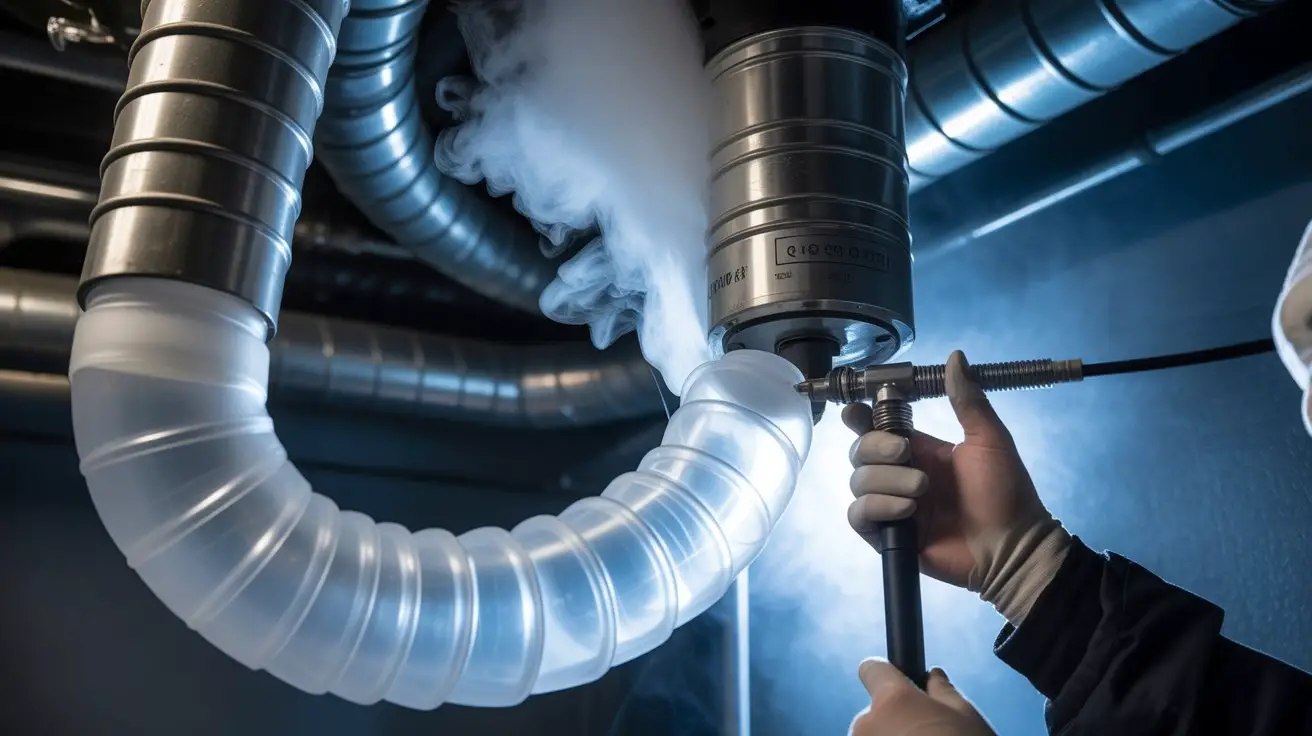
Even with meticulous maintenance schedules, you’ll encounter residue accumulation if operating parameters drift beyond ideal thresholds during active use.
Monitor key variables continuously to avert sticky buildup from compromising fluid pathways and heating elements.
- Temperature regulation: Keep heater block within manufacturer’s specified range (typically 160-180°C) using integrated thermostats or external temperature controllers to prevent fluid carbonization.
- Fluid flow consistency: Maintain steady pump pressure at 15-25 PSI to eliminate intermittent heating cycles that cause residue formation in nozzle assemblies.
- Duty cycle management: Implement 10-minute cooling periods after every 30 minutes of continuous operation to prevent thermal stress accumulation.
- Ambient humidity control: Operate in environments below 70% relative humidity to minimize condensation mixing with fog fluid.
- Pre-heating protocols: Allow 8-10 minute warm-up cycles before fluid injection to facilitate complete vaporization.
Post-Use Cleaning and Storage Procedures
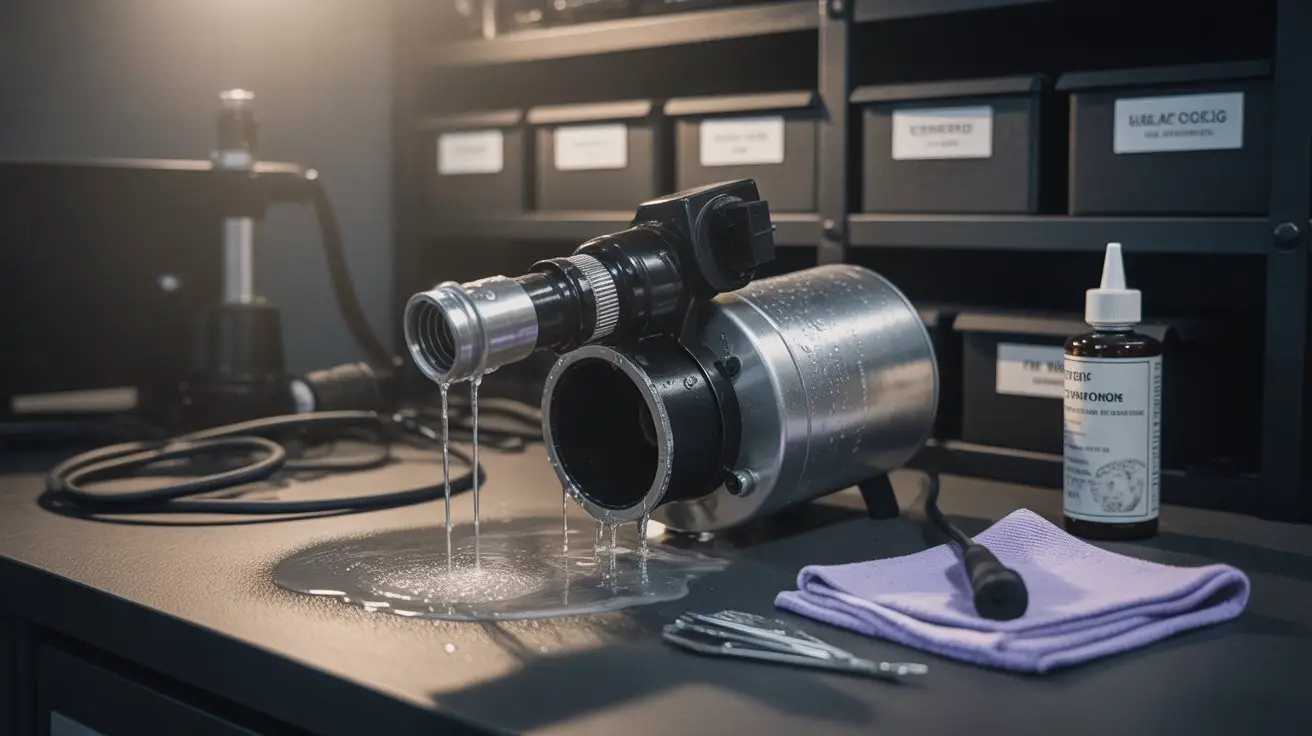
Proper shutdown procedures immediately following operation determine your fog machine’s longevity and performance reliability.
First, allow the machine to run for thirty seconds with distilled water through the fluid intake line to purge residual fog juice.
Next, disconnect power and let the heating element cool completely—typically fifteen minutes.
Remove the fluid tank and drain remaining fog fluid into its original container.
Clean the tank with distilled water and dry thoroughly.
Wipe down exterior surfaces with a lint-free cloth dampened with isopropyl alcohol.
Store the machine in a dry, temperature-controlled environment between 50-70°F.
Position it upright to prevent internal component damage.
Replace fluid tank caps securely and cover air intake vents to prevent dust infiltration during storage periods.
Troubleshooting Early Warning Signs of Clogs
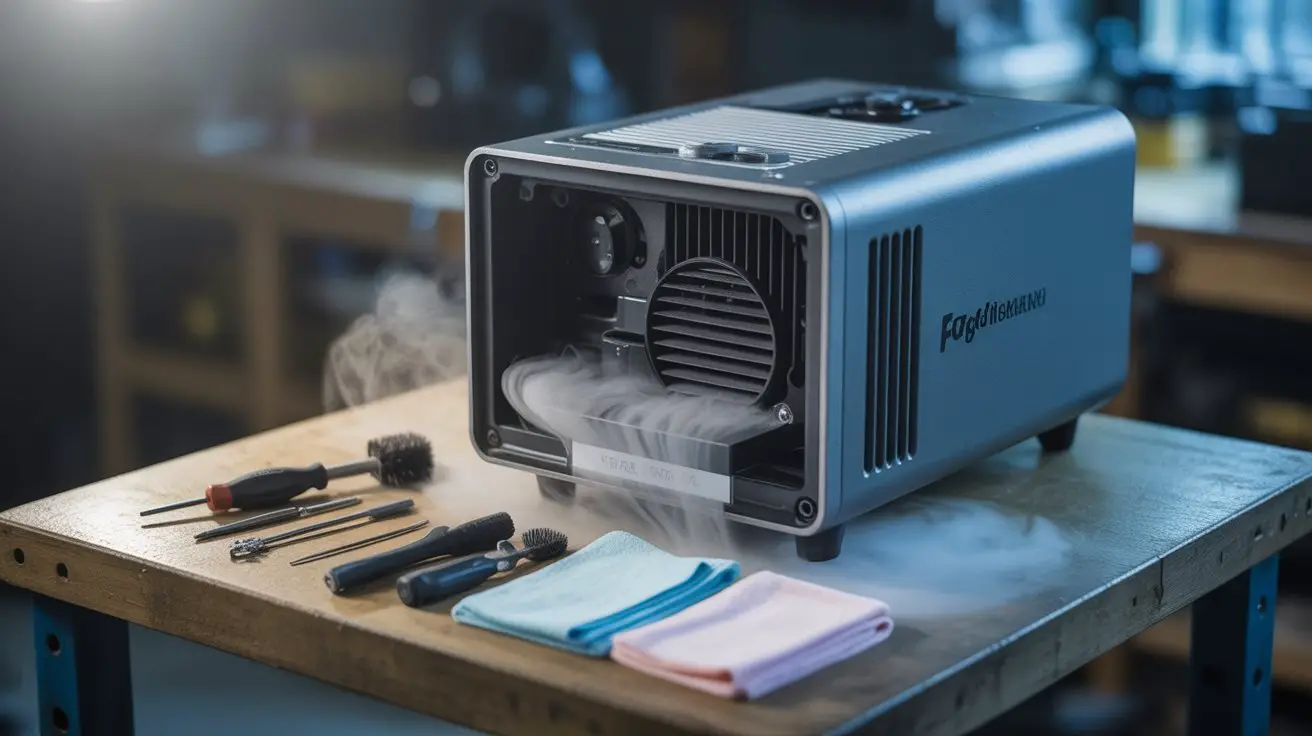
Before complete blockages develop, fog machines exhibit distinct performance indicators that reveal developing clogs in their fluid delivery systems.
You’ll notice gradual output reduction as particulate buildup restricts fluid pathways. Monitor these critical warning signs:
- Reduced fog density – Output appears thinner despite consistent fluid levels and temperature settings
- Intermittent sputtering – Machine produces irregular bursts instead of steady fog streams
- Extended warm-up periods – Heat-up cycles increase beyond manufacturer specifications
- Unusual pump sounds – Motor strain indicators like grinding, clicking, or labored operation
- Inconsistent fog patterns – Uneven distribution or directional changes in output streams
Document performance changes systematically.
Compare current output against baseline measurements.
Address degradation immediately through targeted cleaning protocols.
Don’t wait for complete system failure—early intervention prevents permanent damage to internal components and maintains peak operational parameters.
Professional Servicing and Deep Cleaning Techniques
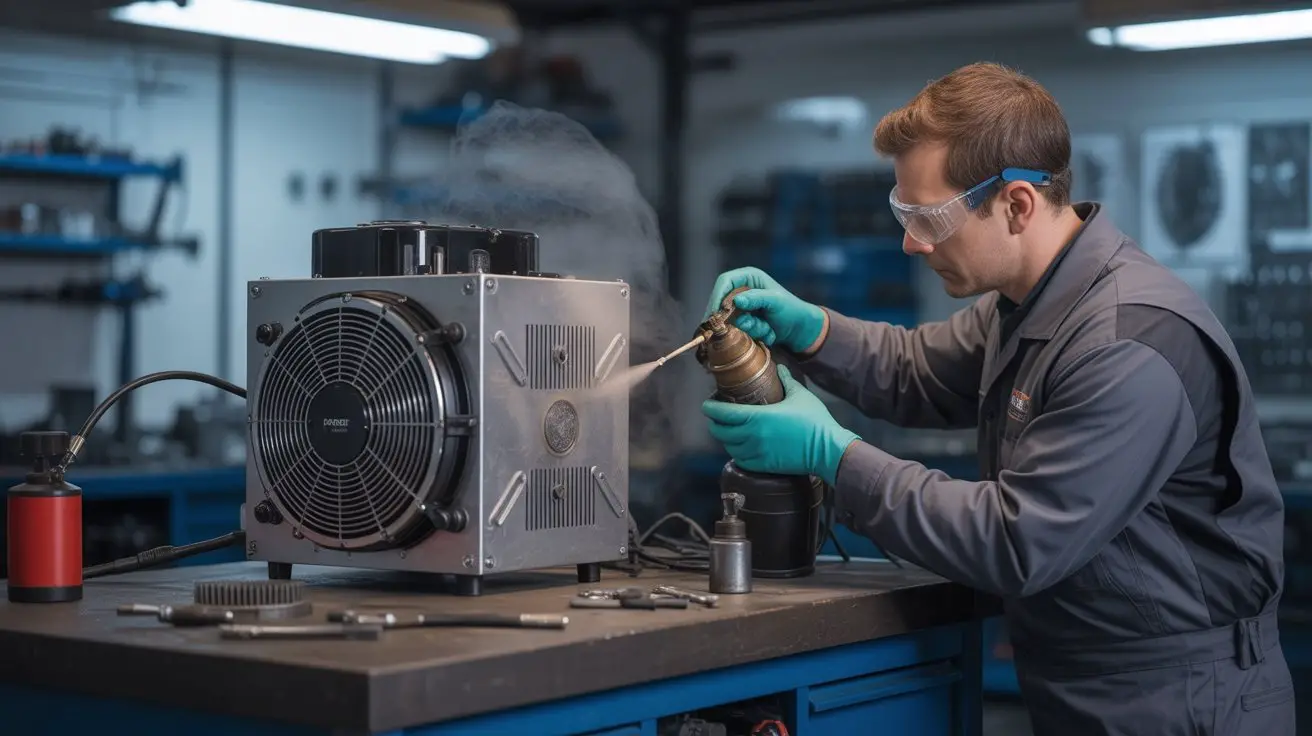
Although routine maintenance addresses surface-level contamination, you’ll need professional-grade disassembly procedures to eliminate deep-seated residue that standard cleaning can’t reach.
Begin by disconnecting power and draining all fluid lines completely. Remove the heating element assembly using manufacturer-specified torque settings. Inspect internal passages with a borescope to identify calcification patterns.
Apply ultrasonic cleaning solutions at 40kHz frequency for 15-minute cycles. Use compressed air at 90 PSI to purge residual cleaning agents from micro-channels.
Replace worn gaskets and O-rings during reassembly. Test pump pressure differentials against specification ranges. Verify heating element resistance values with a multimeter. Document all measurements for future reference.
This deep-cleaning protocol should occur every 200 operating hours or annually, whichever comes first.
Frequently Asked Questions
Can Outdoor Temperature and Humidity Affect Fog Machine Clog Frequency?
Yes, you’ll experience increased clog frequency when operating in high humidity conditions. Cold temperatures thicken fog fluid viscosity, restricting flow through heating elements. Monitor ambient conditions and adjust fluid mixture ratios accordingly.
Are There Specific Fog Machine Brands More Prone to Clogging Issues?
You’ll ironically find budget “ProFog3000” models clog faster than professional units. Troubleshooting reveals cheap heating elements create inconsistent fluid vaporization. You’re better investing in ADJ, Antari, or Chauvet machines with superior thermal regulation systems preventing residue buildup.
How Long Can Fog Fluid Sit in Machine Before Causing Clogs?
You’ll experience residue buildup after 30-45 days of stagnant fluid. Drain your reservoir completely, flush with distilled water, then refill before each session. Don’t let glycol-based solutions sit longer than recommended intervals.
Will Using Distilled Water Instead of Fog Fluid Damage My Machine?
You’ll damage internal components using distilled water instead of fog fluid. Water lacks glycol-based formulation required for proper vaporization. Check manufacturer specifications, drain existing water immediately, refill with appropriate fog juice to prevent pump failure.
Can I Rent Fog Machines to Avoid Maintenance and Clog Problems?
80% of rental fog machines experience operational failures during events. You can rent units, but you’ll still troubleshoot clogs mid-performance. Verify fluid compatibility, check nozzle clearance, and maintain backup units for critical applications.
Conclusion
You’ve built a fortress against flow disruption through systematic fluid management protocols and preventive maintenance cycles. Your fog machine now operates as a precision instrument rather than a temperamental vessel prone to blockages. Execute these thermal cycling procedures, viscosity verification steps, and residue elimination protocols consistently. When warning indicators surface—reduced output pressure, irregular dispersal patterns, or pump strain signals—you’ll diagnose and resolve issues before catastrophic system failure occurs.