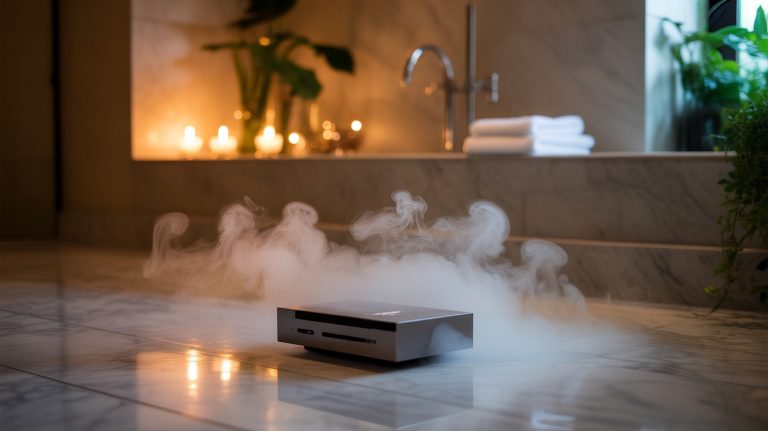
A fog cannon, or security fog system, fills a room with thick fog seconds after an alarm goes off. The idea is simple: a burglar can’t steal what they can’t see.
These systems have been used in shops across the UK and Europe for years and are now sold in the US too. Here is an honest look at how they work, where they make sense, and what to check before you buy.
How Fog Cannon Security Systems Work
A security fog generator keeps a heating block hot around the clock, so it can fire instantly. When the alarm panel triggers it, fluid is pushed through the hot block and leaves as a dense white fog.
Within seconds, the room becomes very hard to see in. The fluid is typically glycol-based, like stage fog, but released much faster.
Most units are wired to an intruder alarm. Good installs fire only on a confirmed alarm, such as two separate detectors, to cut false activations.
The fog is meant to block vision, not to injure, and makers state their fluids are non-toxic. It clears as it mixes with fresh air, and opening doors and running ventilation speeds that up.
Do Fog Cannons Actually Work?
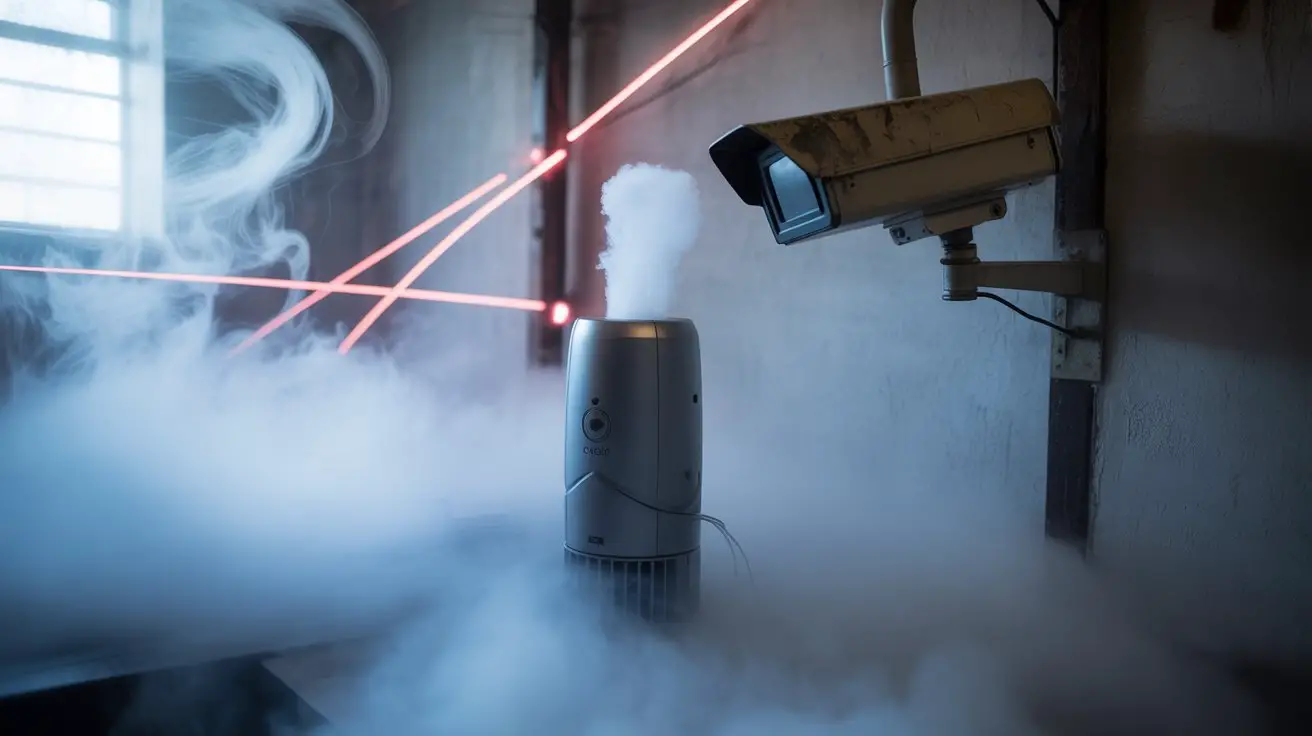
The logic is sound. Most break-ins depend on grabbing goods quickly, and a room full of fog makes that very hard.
Makers publish strong success claims, but solid independent data is scarce. Treat any single “success rate” figure you see online with caution.
A fog system works best as one layer of security. It buys time while a monitored alarm brings a response, and it doesn’t replace locks, alarms, or cameras.
Where Fog Cannons Fit Best
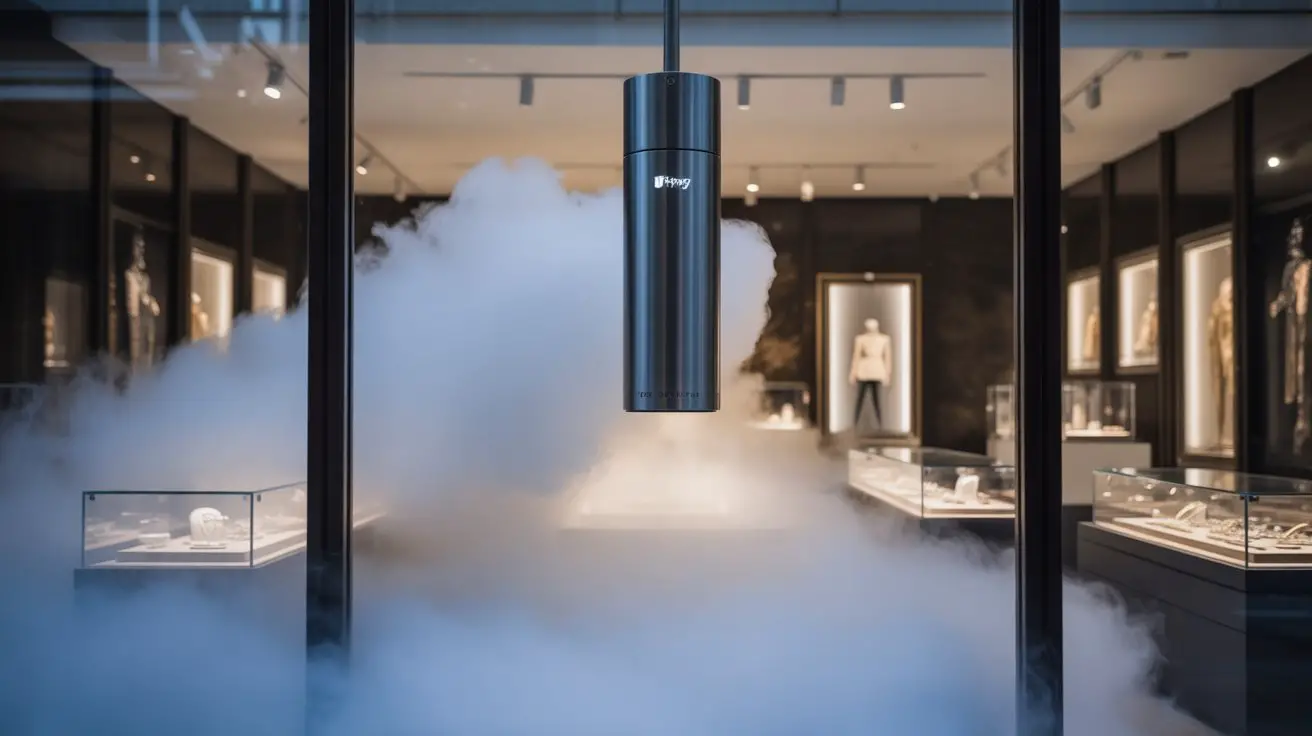
They work best in enclosed rooms that hold the fog. Typical sites are shops, stockrooms, pharmacies, jewelry and phone stores, and offices with valuable equipment.
Large, open warehouses with high ceilings need more or bigger units to cover the space. Outdoor areas don’t work well, because wind carries the fog away.
Some systems are sold for homes. Think hard about pets, children, and anyone with asthma being home if it ever fires by mistake.
Limits and Downsides
- Smoke alarms: fog can trigger smoke detectors and a fire response. The fog system and the fire alarm have to be planned together.
- Leaks: fog escapes through open doors and broken windows. The room needs to be fairly closed for it to work.
- Smash-and-grab: fog doesn’t stop someone grabbing a window display from outside. It only protects the space it fills.
- Cameras: CCTV can’t see through the fog. Place cameras to capture the entry before the fog fires.
- False activations: a mistaken release can shut a business for hours. The system must be disarmed whenever staff are inside.
- Residue: fog can leave a light film. Ask the maker about electronics, food, or medicine before you install.
Safety Concerns

Dense fog can bother people with asthma or other breathing problems. Like any fog, the space should be properly ventilated before people go back in.
Fog also hides exits, so the system should never be armed while people are working inside. Staff need a simple, reliable routine for arming and disarming.
Police and firefighters should know the system is there before they enter. Many installers also put warning signs at the entrances.
Legal, Fire Alarm, and Insurance Considerations

Rules vary by country, state, and city. In Europe, security fog devices are covered by the EN 50131-8 standard, so ask whether a system is certified to it.
In the US, check with your local fire marshal or building department before you install. A system that sets off fire alarms or hides exits can cause real problems.
Tell your alarm monitoring company that the system is there, so responders are warned. Also tell your insurer, and don’t assume a discount; just make sure it doesn’t affect your coverage.
Cost and Maintenance
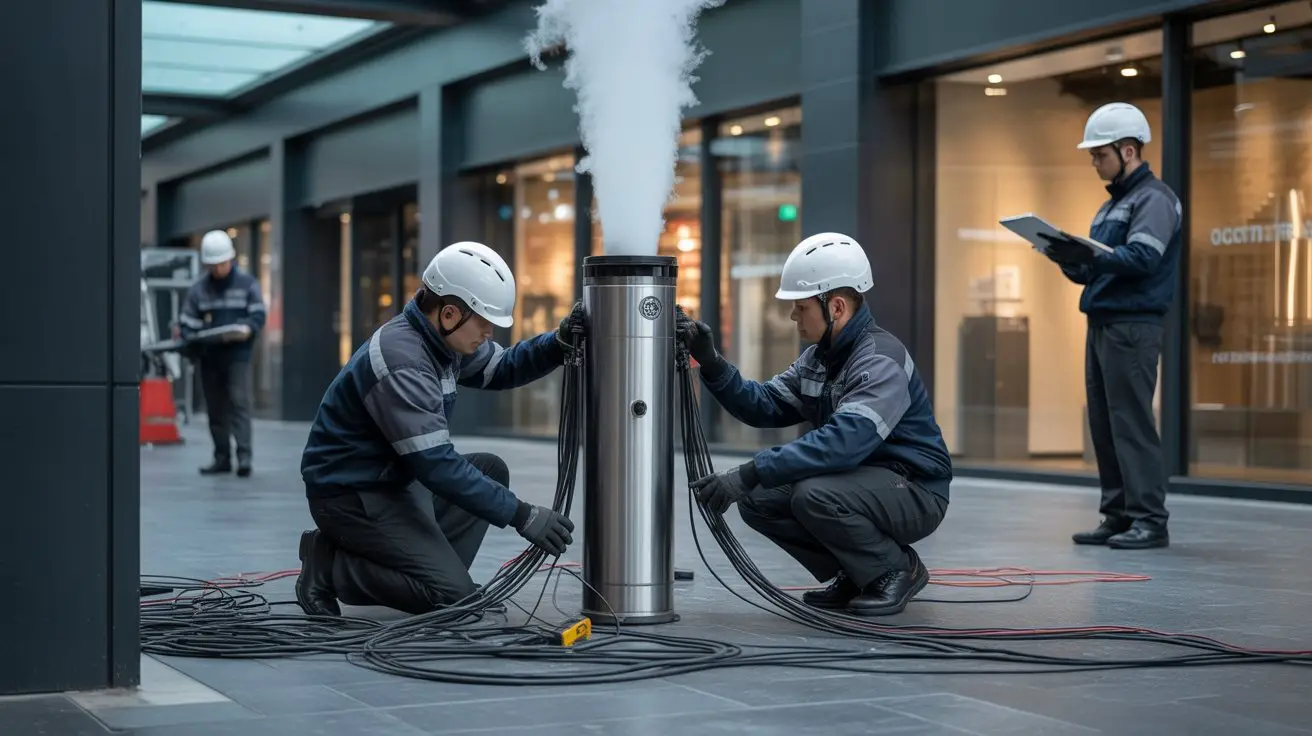
Pricing varies widely with room size and the number of units. See our fog cannon security price guide, and get written quotes.
The heater runs all the time, so there is a small standby power cost. After every activation, the fluid has to be refilled and the system checked, and the maker will set a service schedule.
Choose a Professional Installer

Placement decides whether the system works. An installer should size the units to the room, aim them away from where people could be standing, and wire them to fire only on a confirmed alarm.
Ask for proof of manufacturer training, any certifications, and a written plan for false alarms, disarming, and servicing. Get more than one quote.
Frequently Asked Questions
Can Fog Cannons Go Off by Accident?
Yes, any alarm-triggered system can. Confirmed-alarm triggers, regular servicing, and a clear disarming routine for staff reduce the risk.
Do Fog Cannons Work Outdoors?
Not well. Wind carries the fog away, so they are designed for enclosed rooms.
Will the Fog Damage Electronics or Stock?
Makers say their fog is designed not to harm goods or electronics, but it can leave a light residue. Ask for the maker’s guidance if you store sensitive items, food, or medicine.
Is Security Fog Safe to Breathe?
Makers state their fluids are non-toxic, and the fog is meant to block sight, not injure. People with asthma may still find it irritating, so ventilate before going back in.
Are Fog Cannons Legal?
In many places, yes, but rules vary. Check local fire codes and work with an installer who knows your area.
Conclusion
Fog cannons can work well in the right setting: an enclosed room, a monitored alarm, and a careful installer. They make it very hard for a burglar to find anything in the few minutes they have.
They aren’t a fit for open spaces, and they shouldn’t be your only protection. Check local rules, tell your insurer and alarm company, and let a professional design the system.