Yes, but it’s mostly a job for professionals. Hospitals, labs, food plants and cleaning companies fog hydrogen peroxide with equipment and products made for it. At home, only use an EPA-registered disinfectant whose label lists fogging, and follow that label exactly.
Below, I cover how peroxide fogging works, where it makes sense, and the safety rules that matter. If you’re thinking about a do-it-yourself version, read the disadvantages section first.
Can Hydrogen Peroxide be used for Fogging?
Yes. Vaporized hydrogen peroxide (VHP) and peroxide fogging systems are a standard way to decontaminate hospital rooms, labs and food-processing areas. The EPA registers some hydrogen peroxide products for this use.
The key word is label. A disinfectant is only meant for fogging if its EPA-registered label includes fogging directions, and that label sets the equipment, contact time and re-entry time.
How Does Hydrogen Peroxide Fogging Work?
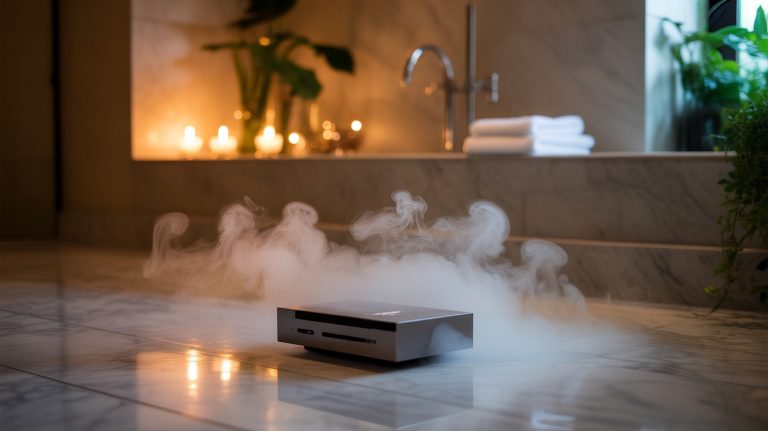
A fogger or vaporizer turns the solution into a fine mist or vapor that fills the room and settles on exposed surfaces. Peroxide is a strong oxidizer, so it damages the proteins, membranes and DNA of the bacteria, viruses and fungi it touches.
Afterward, it breaks down into water and oxygen. That’s why it leaves little residue compared with many other disinfectants.
Is Hydrogen Peroxide Fogging Effective?
In professional systems, yes. Validated VHP systems can reach a “6-log reduction,” which means only about one in a million microbes survives.
That result depends on the right product, equipment, sealed room and contact time. A household sprayer and a bottle of drugstore peroxide won’t get you there.
Fogging also only treats surfaces the mist actually reaches, and dirt shields germs. The CDC does not recommend fogging as the main way to disinfect surfaces, so clean and wipe first.
Where Peroxide Fogging Makes Sense
Peroxide fogging is mostly a commercial service. Hospitals use it between patients, and restoration and cleaning companies use it after outbreaks or in spaces that are hard to wipe down.
For a home, the realistic options are hiring a pro or using a ready-to-use product labeled for fogging. Many homes don’t need it at all, since cleaning and wiping with a registered disinfectant handles most jobs. Here’s more on using a fogging machine for disinfectant.
Benefits of Fogging with Hydrogen Peroxide
It breaks down into water and oxygen
Once it has done its job, peroxide leaves little behind. That’s a big plus in hospitals and food areas.
It reaches spots that are hard to wipe
Mist can coat the tops of shelves, the backs of equipment and other awkward spots. It still only treats what it touches, so open cabinets and drawers if the label says to.
It works on a wide range of germs
Registered products list the bacteria, viruses and fungi they’ve been tested against. Check the label for the germ you’re worried about.
Are There Any Disadvantages of Hydrogen Peroxide Fogging?
Yes, and they’re why this is mostly a professional job.
- It irritates eyes, skin and lungs. Nobody, including pets, should be in the room while it fogs or until the label’s re-entry time has passed.
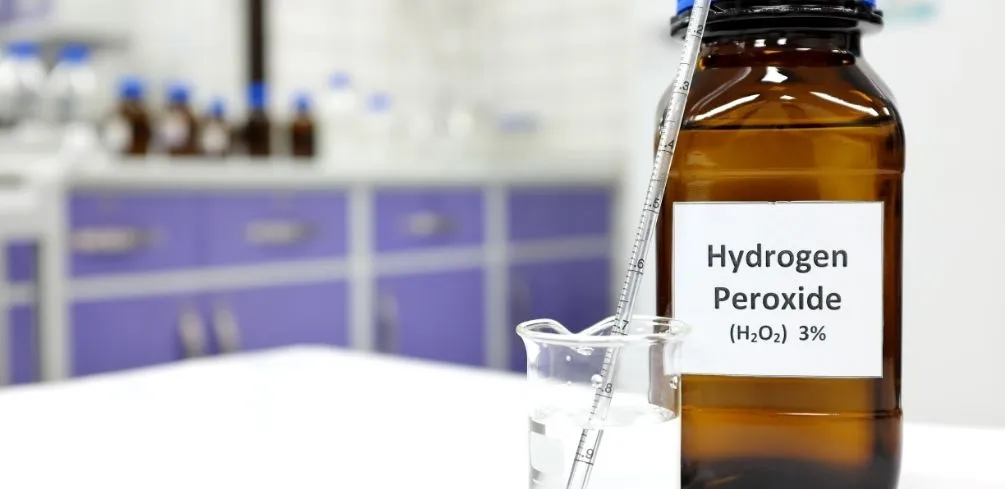
- Concentrated peroxide is dangerous. Food-grade and industrial strengths can burn skin and eyes, so never fog them or mix your own fogging solution.
- It can damage some materials. As a strong oxidizer, it can corrode some metals and harm rubber, fabrics and electronics, so check the label’s list of compatible surfaces.
- It needs the right equipment. Use only a fogger the product label allows, since the wrong sprayer may not work and can corrode.
Safety Tips If You Use a Labeled Product
If you do use a ready-to-use product labeled for fogging, follow these basics along with the label:
- Read the whole label first, and follow its contact time and re-entry time.
- Clean surfaces first, then clear the room of people, pets, plants and uncovered food.
- Cover or remove electronics and anything the label lists as incompatible.
- Wear the gloves and eye protection the label calls for.
- Never mix peroxide with bleach, vinegar or other chemicals, in the fogger or on surfaces.
- Air the room out fully before anyone goes back in.
FAQs about Hydrogen Peroxide Fogging
Is Hydrogen Peroxide toxic?
It’s an irritant, and stronger concentrations can burn skin, eyes and lungs. It’s also harmful if swallowed, so store it away from kids.
Is fogging with hydrogen peroxide worth it?
For hospitals, labs and serious outbreaks, often yes, with professional equipment. For everyday home cleaning, wiping surfaces with a registered disinfectant is usually enough.
Can I fog regular drugstore peroxide?
No. It isn’t labeled for fogging, and a household fogger won’t make it work like a professional system.
Is Hydrogen Peroxide fogging safe for humans?
Only when nobody is in the room. Follow the label’s re-entry time, and air the room out before people and pets come back.
Conclusion
Hydrogen peroxide is a proven fogging disinfectant in professional hands. At home, use only a product labeled for fogging and follow that label to the letter.
For a big job, call a professional. If mold is the problem, fogging alone won’t fix it, as I explain in does dry fogging work for mold.

Please be careful and use at your own risk
None of the authors, contributors, administrators, or anyone else connected with Wild Fog, in any way whatsoever, can be responsible for your use of the information contained in or linked from these web pages.