When you’re planning to add scent to your fog machine, you’ll need to understand that not all equipment can handle fragrance additives without risking damage to internal components. The type of fog fluid you’re using, your machine’s heating element specifications, and the chemical composition of your chosen scent will determine whether you can safely achieve aromatic effects. One wrong move with incompatible materials could permanently damage your equipment, but there are proven methods that protect your investment.
Understanding Your Fog Machine Type and Compatibility
Before adding any scented additives to your fog machine, you must identify whether you’re operating a water-based or oil-based system, as each requires specific compatible fluids and scenting methods.
Water-based machines use glycol or glycerin fluids and heat elements to create fog, while oil-based hazers vaporize mineral oil through compression systems.
Check your machine’s manual or fluid reservoir labels to confirm compatibility. Water-based systems typically accept scented fog fluids designed for heating elements, whereas oil-based units require specifically formulated scented hazer fluids.
Using incorrect fluid types can damage heating elements, clog nozzles, or create dangerous chemical reactions. Additionally, using distilled water in water-based fog machines is crucial to avoid damaging the device.
Never mix water-based and oil-based fluids. Each system’s operational temperature and vaporization method demands precise chemical formulations for safe, effective scenting.
Choosing the Right Scents and Fragrance Types
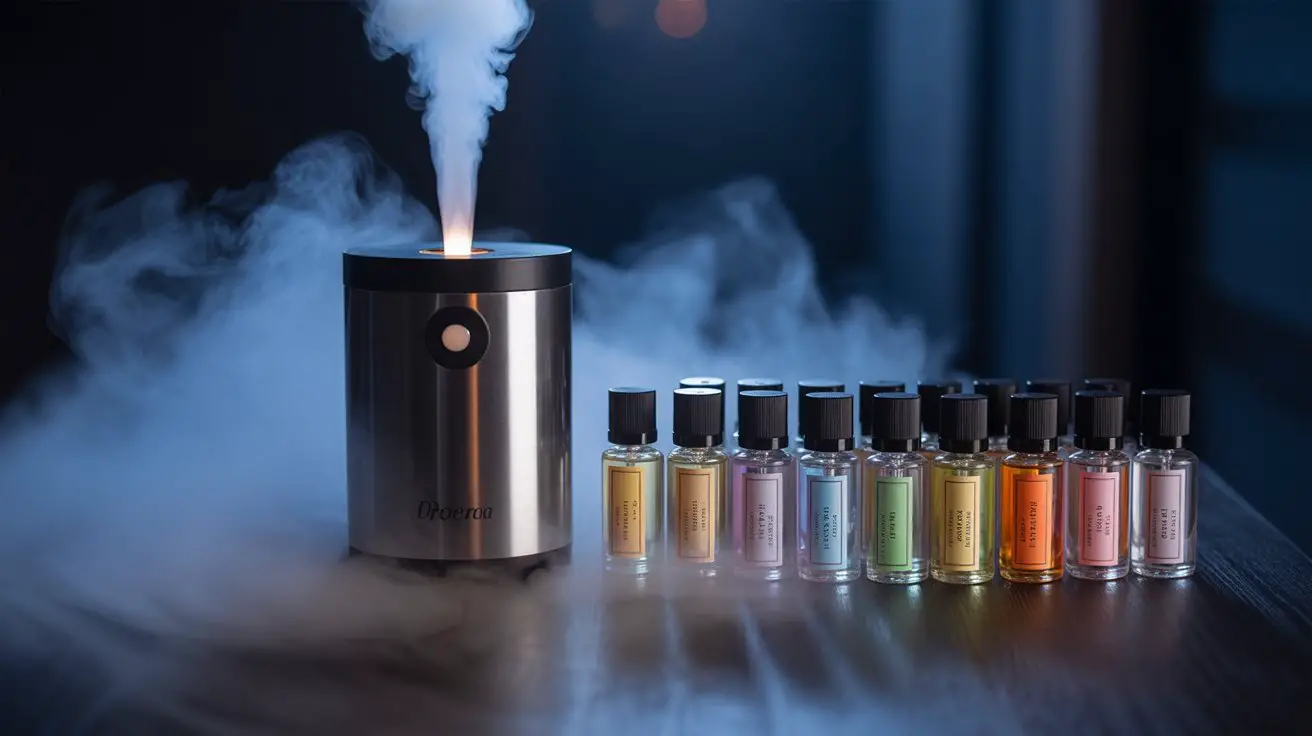
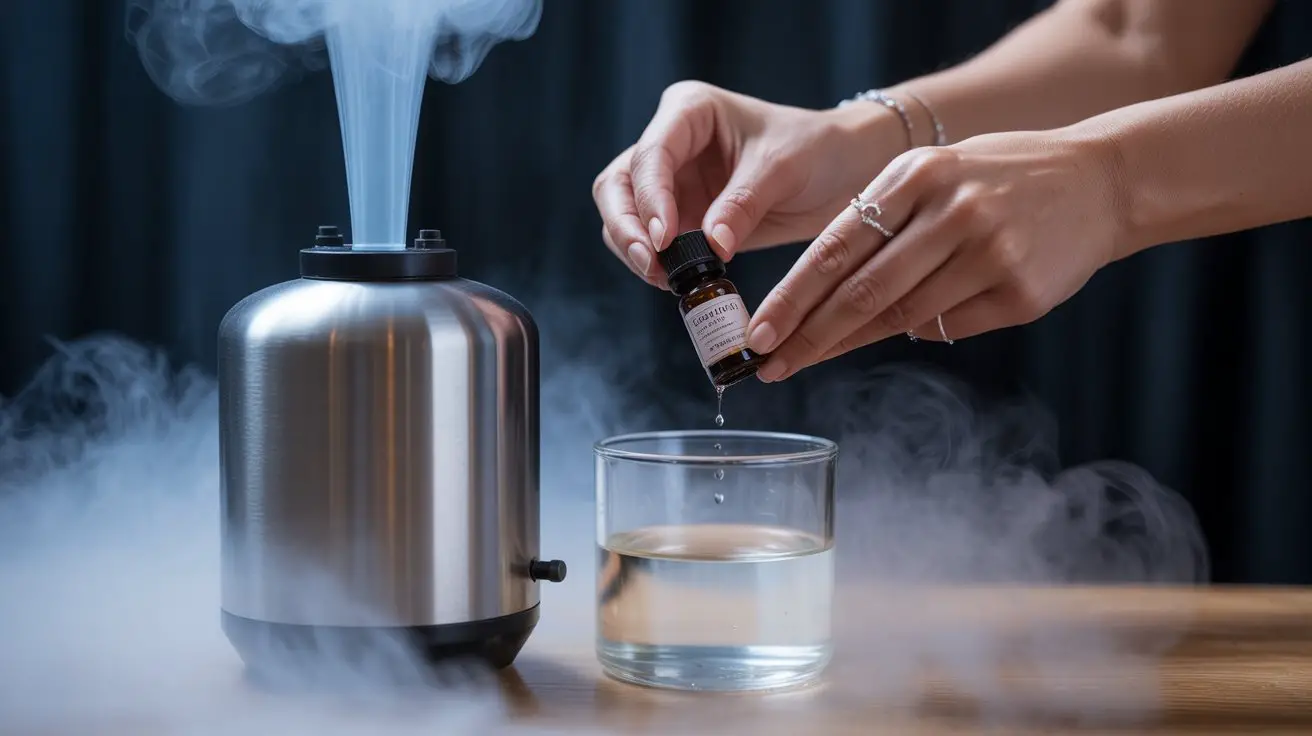
Several factors determine which scents work safely and effectively in your fog machine system. You’ll need water-based fragrance oils specifically designed for theatrical applications. Oil-based products will damage your machine’s heating element and create residue buildup.
| Scent Type | Compatibility |
|---|---|
| Water-based fragrance oils | Recommended |
| Food-grade essential oils (diluted) | Acceptable with caution |
| Alcohol-based fragrances | Not recommended |
| Oil-based products | Never use |
Choose concentrated formulations designed for fog fluid mixing. Start with 1-2% fragrance concentration—you can always increase intensity later. Citrus, vanilla, and mint scents perform well in heated systems. Test small batches first to verify scent throw and machine compatibility. Always verify your fragrance supplier’s safety data sheets before use.
Safety Precautions and Equipment Protection
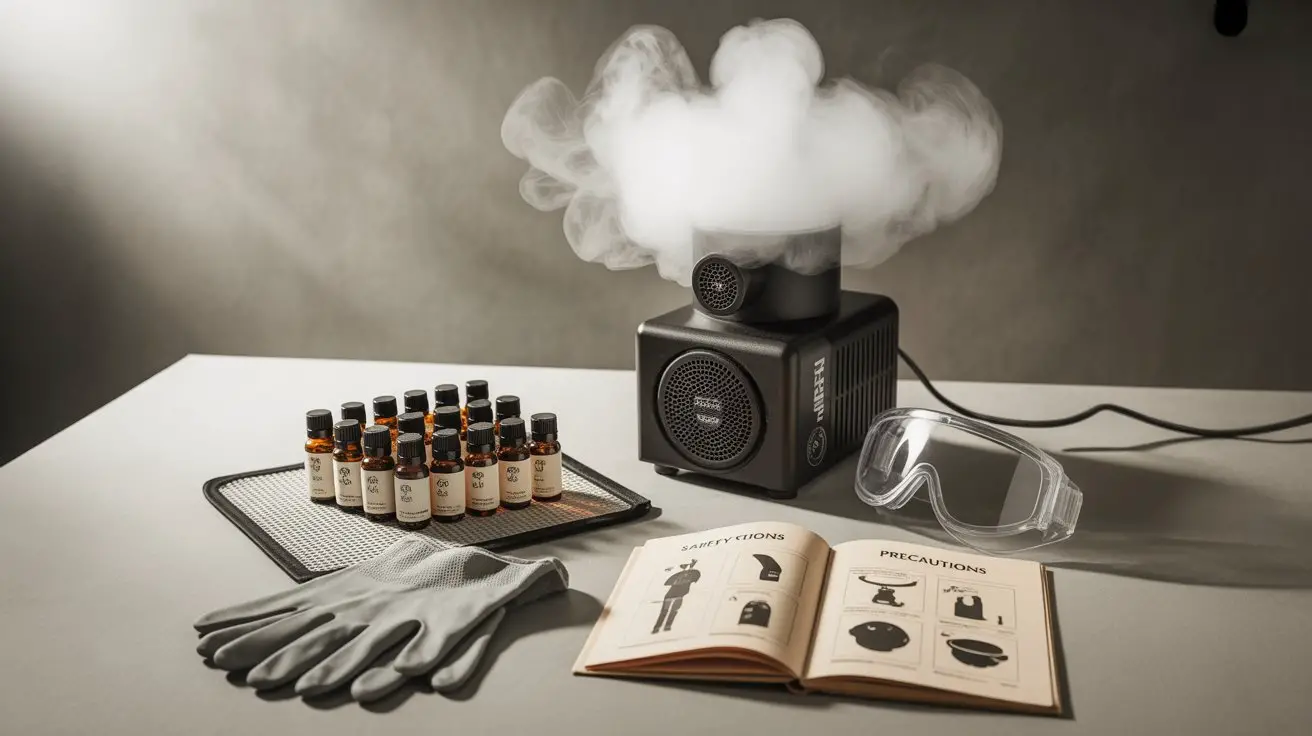
Proper preparation protects both your fog machine and venue occupants from potential hazards when introducing scented additives.
You’ll need adequate ventilation to prevent fragrance buildup that could trigger respiratory sensitivities or allergic reactions. Install exhaust fans or open windows before operation.
Clean your machine’s fluid reservoir thoroughly between different scents to prevent chemical interactions that might damage internal components.
Use only water-based fragrances specifically formulated for fog machines—oil-based products will clog heating elements and void warranties.
Test scent concentrations at minimum levels first. Excessive fragrance oils can create residue buildup on your machine’s heating coil, reducing performance and lifespan.
Keep fire extinguishers nearby when operating heated equipment with flammable additives.
Monitor fluid levels consistently to prevent dry-running damage. Additionally, ensure that the fog mixture used is water and glycerin-based to minimize health risks associated with inhalation.
Method 1: Adding Scent Directly to Fog Fluid
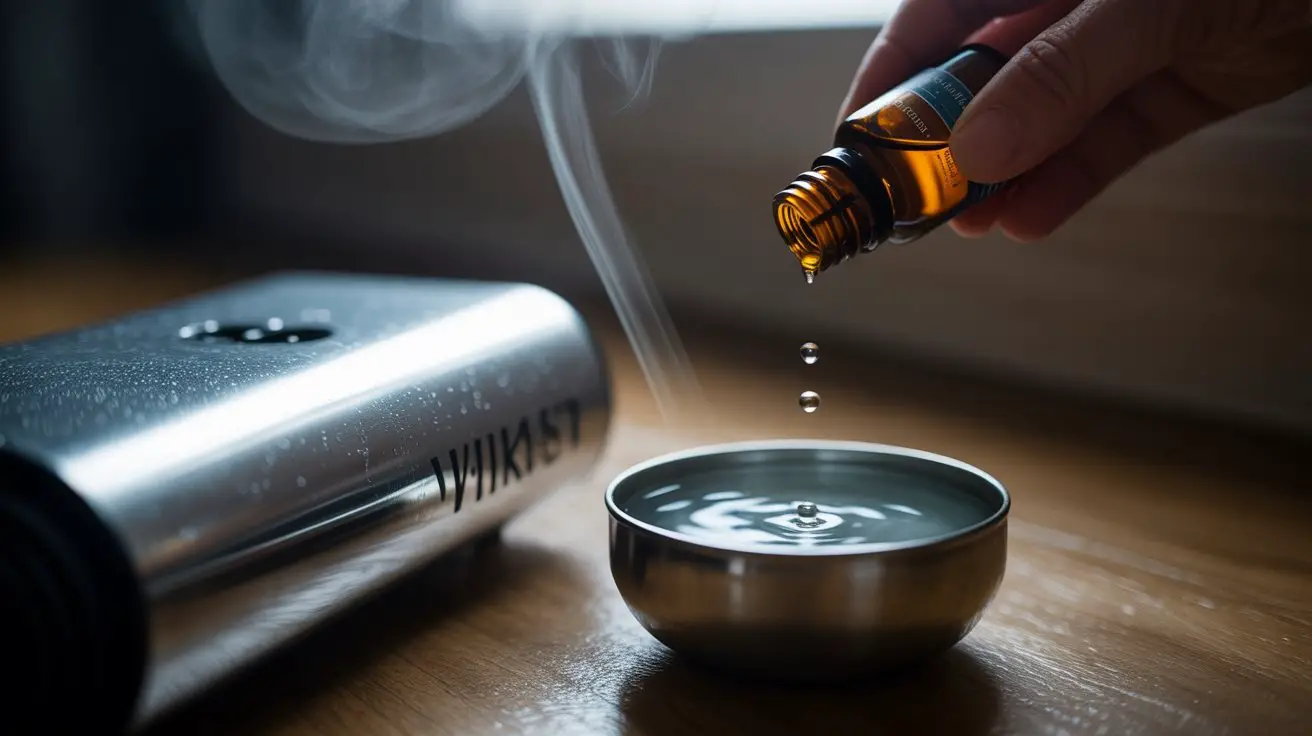
While this method offers the most consistent scent distribution, you’ll need to calculate precise ratios to avoid damaging your fog machine’s internal systems.
Start with a 2-3% scent-to-fluid ratio for water-based fog liquids. Use only glycol-based or water-soluble fragrances specifically designed for fog machines—never oil-based scents that can clog heating elements or damage seals.
Measure your fog fluid capacity, then add the calculated scent amount directly to the reservoir. Mix thoroughly using a non-metallic stirring tool to prevent chemical reactions.
Test the mixture on your machine’s lowest heat setting first, monitoring for unusual sounds, reduced output, or residue buildup. Document your ratios for future reference and always clean your machine thoroughly after scented operations to prevent cross-contamination. Additionally, be aware that proper ventilation is essential when using fog machines to ensure safety during operation.
Method 2: Using External Scent Injection Systems
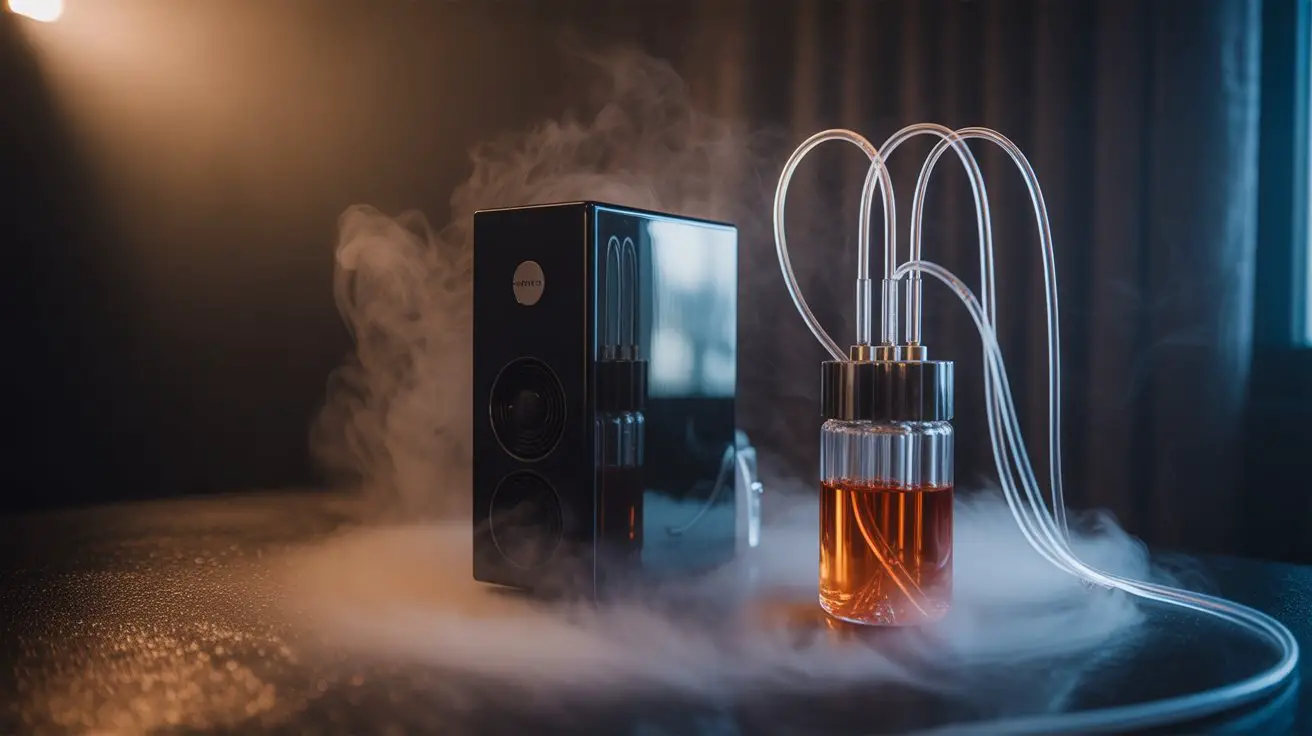
External scent injection systems eliminate the risks associated with mixing fragrances directly into your fog fluid reservoir. These systems introduce scent downstream from your machine’s heating chamber, preserving your equipment’s warranty and preventing damage.
| Component | Function |
|---|---|
| Injection Valve | Controls scent release timing |
| Scent Reservoir | Holds concentrated fragrance |
| Delivery Tube | Transports scent to fog output |
| Control Module | Synchronizes with fog production |
Install the injection point near your fog machine’s output nozzle. You’ll need to calibrate the scent-to-fog ratio using the control module’s settings. Most systems offer adjustable flow rates between 0.5-5ml per activation cycle. Connect the delivery tube securely to prevent leaks. Test the system with water-based scents first to verify proper operation before using oil-based fragrances.
Method 3: Post-Fog Scenting Techniques
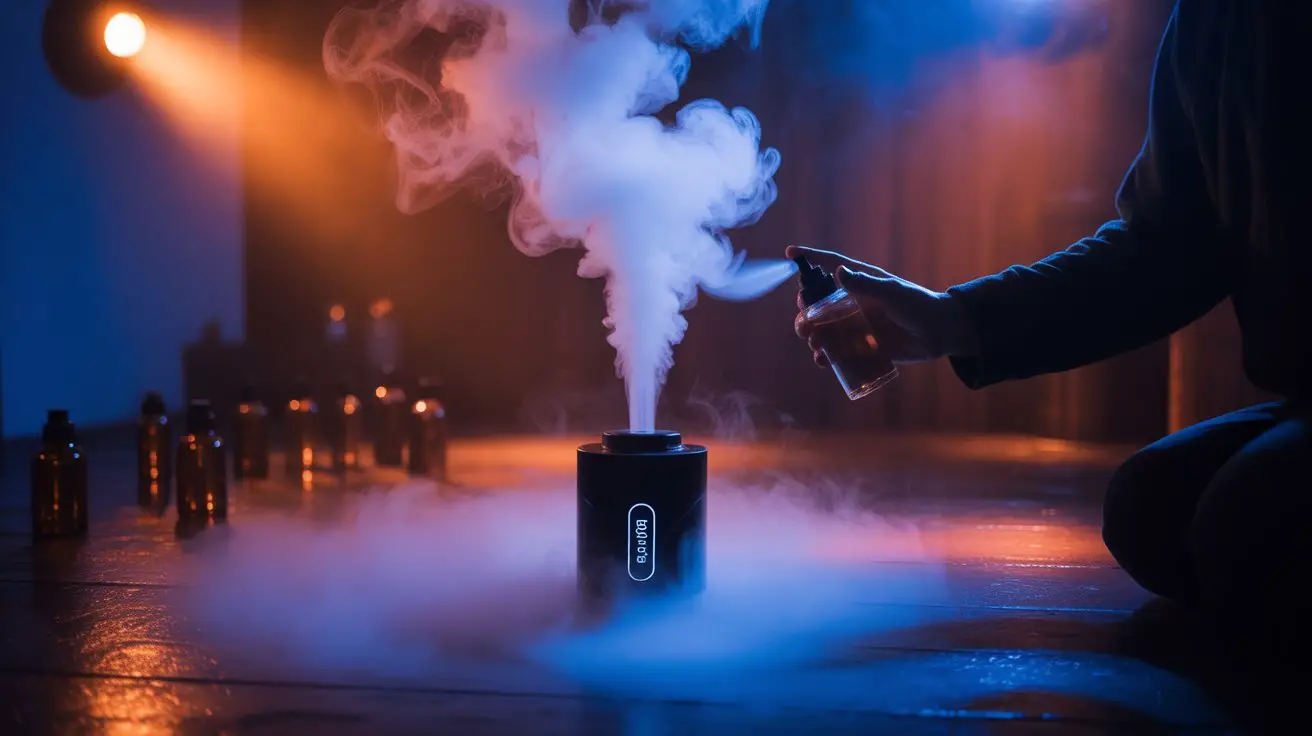
After your fog machine produces its vapor, you can apply scenting techniques that don’t require direct equipment modification.
Position scent diffusers or essential oil atomizers near your fog output path to create fragrant vapor clouds. You’ll achieve excellent results by placing diffusers 2-3 feet from the fog nozzle, allowing natural air currents to blend the scents.
Use heat-activated scent pads placed on warm surfaces adjacent to fog streams. These pads release fragrance when exposed to temperatures above 80°F.
Fan-assisted scent dispensers work effectively when positioned to blow across fog paths, creating uniform distribution.
Always maintain proper ventilation when combining multiple scenting methods.
Monitor audience reactions for sensitivity issues, and keep scent concentrations below manufacturer-recommended maximums to prevent overwhelming effects.
Maintenance and Cleaning After Using Scented Fog
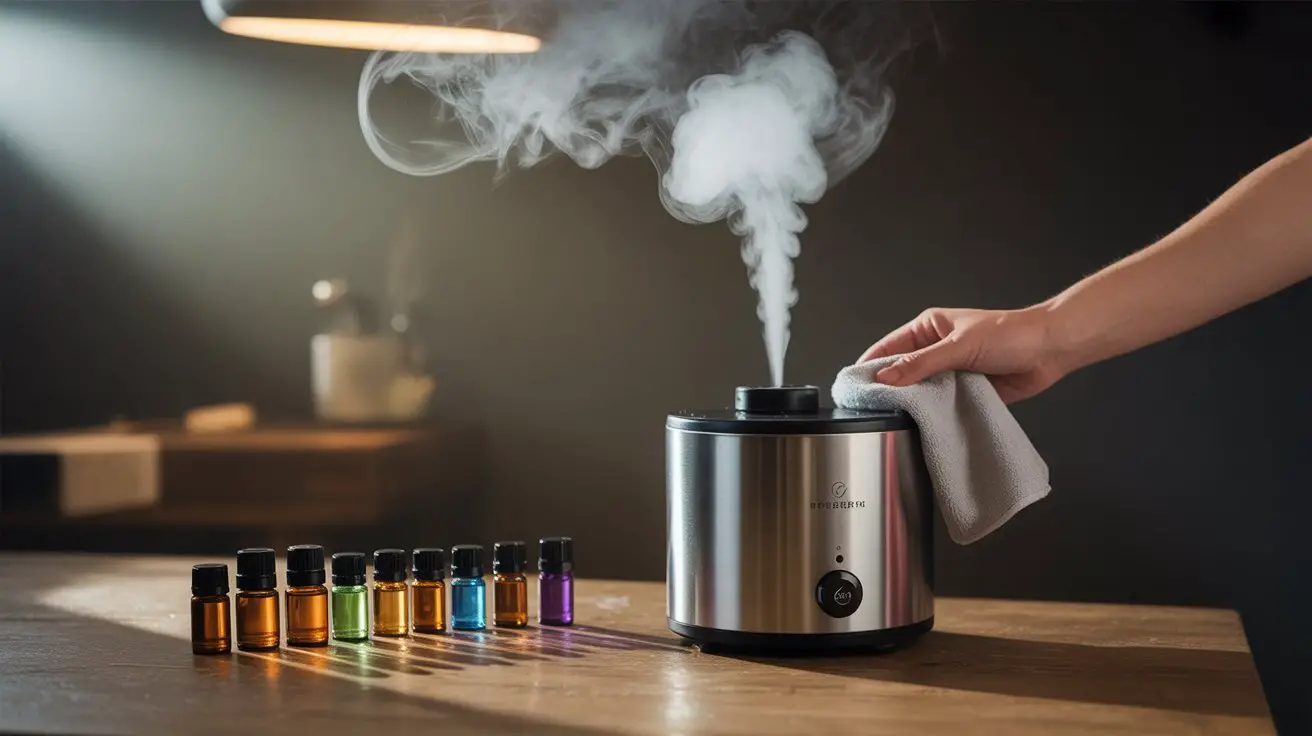
Once you’ve finished using scented fog, you’ll need to perform thorough cleaning procedures to prevent residue buildup and maintain your equipment’s performance.
First, run distilled water through your machine for 2-3 minutes to flush scented fluid from internal components. This prevents oil deposits from hardening inside heating chambers and fluid lines.
Empty remaining scented fluid from the tank completely—don’t leave it sitting overnight.
Clean your machine’s tank with warm, soapy water, then rinse thoroughly. For external surfaces, use isopropyl alcohol to remove scent residue.
Replace any removable filters according to manufacturer specifications. Regular cleaning enhances the longevity of the fog machine.
Store scented fluids in sealed containers away from heat sources. Label containers clearly with scent type and date.
Regular cleaning extends equipment lifespan and guarantees consistent fog output quality for future applications.
Troubleshooting Common Scented Fog Issues
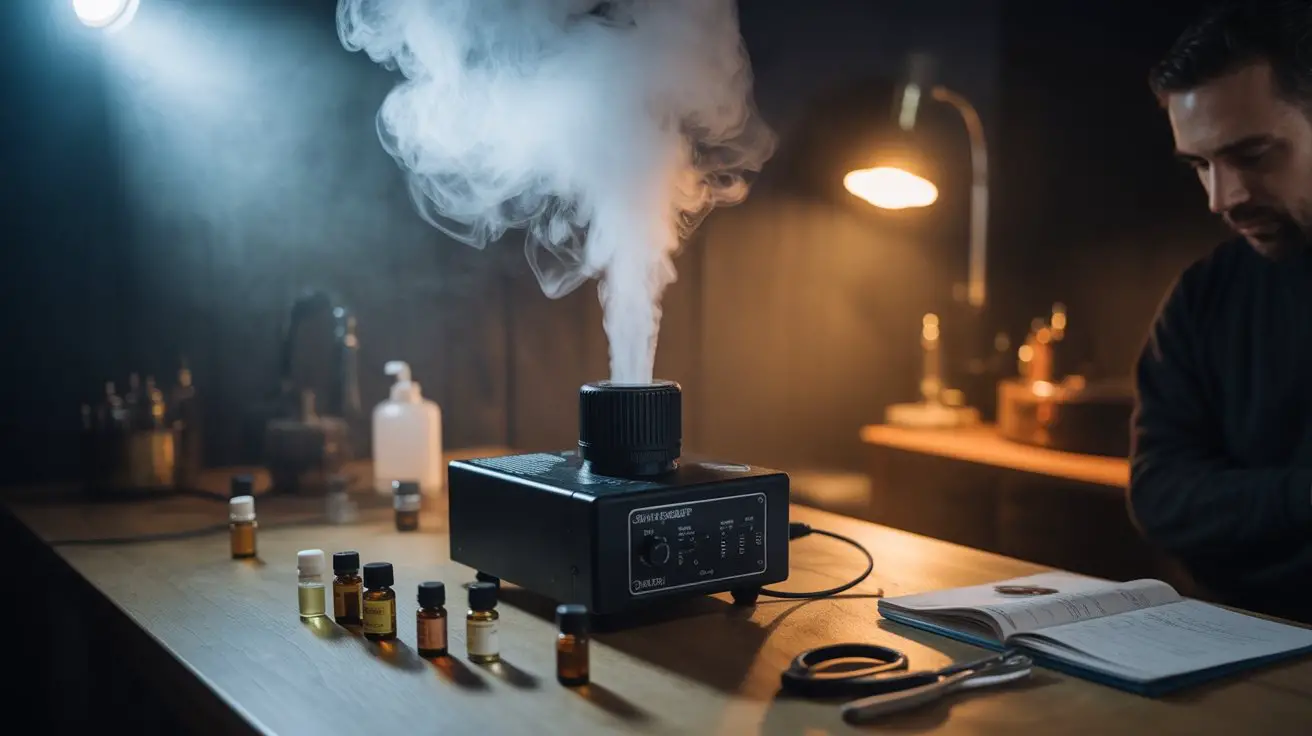
Even with proper maintenance, you’ll encounter performance issues when operating scented fog machines.
Weak scent output typically indicates clogged scent injection nozzles—inspect and clean using isopropyl alcohol. Excessive scent concentration suggests incorrect dilution ratios; recalibrate your mixture to manufacturer specifications.
Uneven fog distribution often results from blocked fluid lines or worn heating elements. Check internal components and replace damaged parts immediately.
Inconsistent fog output signals low fluid levels or contaminated reservoirs. Empty, clean, and refill both fog and scent chambers completely.
Machine overheating indicates poor ventilation or excessive runtime—allow cooling periods between sessions.
Strange odors beyond your intended scent suggest fluid contamination or component degradation. Discontinue operation, drain all fluids, and inspect internal systems.
Oil-based scents require different troubleshooting than water-based formulations—consult equipment manuals for scent-specific procedures.
Frequently Asked Questions
How Long Does Scented Fog Typically Last Before the Fragrance Fades?
Scented fog’s fragrance duration depends on your fog machine’s output rate, room ventilation, and scent concentration. You’ll typically notice fragrance lasting 15-30 minutes in enclosed spaces before requiring additional scented fluid application.
Can Scented Fog Trigger Allergies or Respiratory Issues in Sensitive Individuals?
Coincidentally, you’re asking this during peak allergy season. Yes, scented fog can trigger respiratory reactions in sensitive individuals. You must test fog fluid ingredients beforehand and guarantee proper ventilation when operating scented fog equipment indoors.
Will Scented Fog Leave Residue or Stains on Furniture and Surfaces?
Scented fog can leave oily residue on surfaces, especially from oil-based fragrances. You’ll notice buildup on furniture, walls, and floors after repeated use. Water-based scents produce less residue but still require proper ventilation and surface protection.
How Much Does Adding Scent to Fog Fluid Typically Increase Costs?
Premium perfumed products produce pricier purchases. You’ll typically spend 20-50% more for scented fog fluid compared to standard formulations. Commercial-grade aromatic additives require specialized manufacturing processes, increasing your operational costs while maintaining safe equipment compatibility and consistent vapor output.
Are There Any Legal Restrictions on Using Scented Fog Machines Indoors?
You’ll face building fire codes restricting chemical additives, health department regulations for occupied spaces, and workplace safety standards requiring proper ventilation. Check local ordinances before operating scented fog machines in commercial venues or public buildings.
Conclusion
Master meticulous maintenance methods to maximize your machine’s marvelous scented performances. You’ve learned proper procedures for safely saturating fog with fantastic fragrances while preserving precious equipment. Remember: rigorous reservoir rinsing prevents problematic product problems, and careful concentration calculations keep audiences captivated without overwhelming. Test thoroughly, ventilate vigorously, and select suitable scents specifically designed for theatrical tools. Your disciplined dedication to detailed directions delivers dazzling, delightfully fragrant fog effects that’ll enhance every atmospheric application you create.