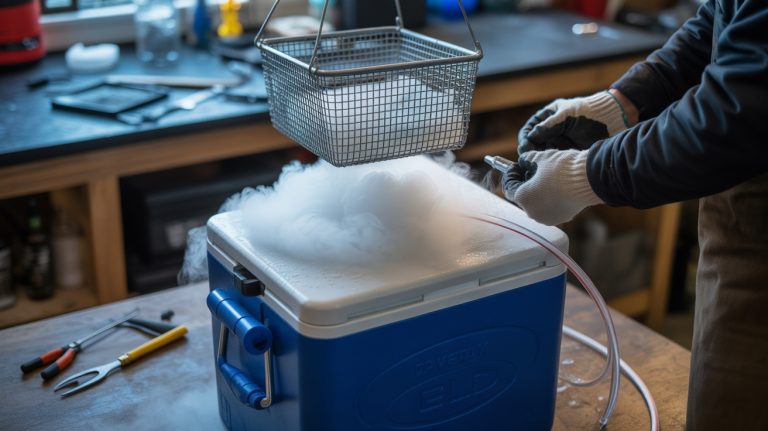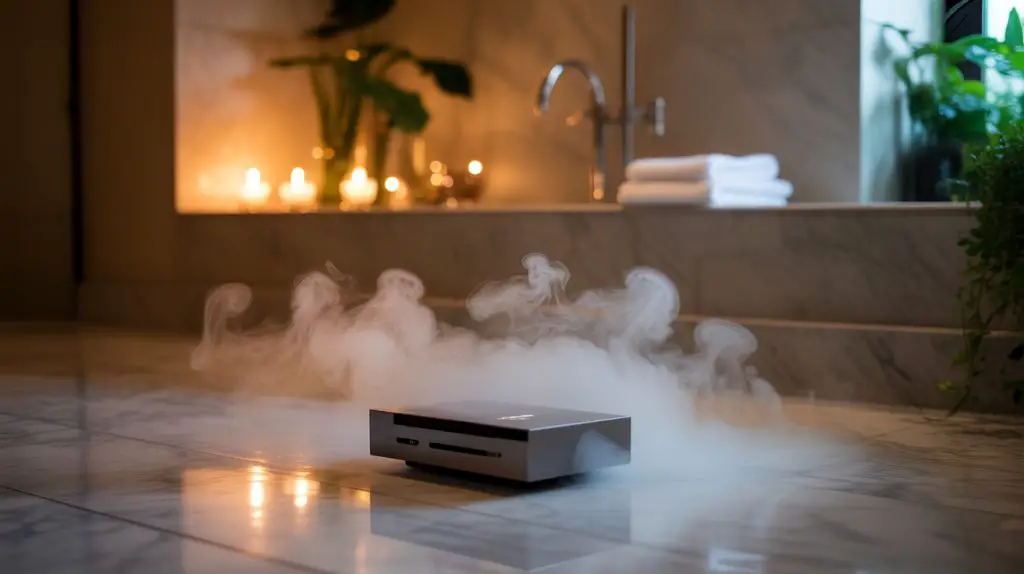
A little mist drifting across a dim bathroom or bedroom can make your home feel more like a spa. The trick is picking the right kind of mist, because a party fog machine and a small, closed room don’t mix well.
This guide covers what a home mist effect can and can’t do, which devices suit indoor spa ambiance, and how to use a fog machine safely if you still want one.
What a Home Mist Effect Can (and Can’t) Do
Soft mist, low light and a quiet room set a calm mood, the same way candles or music do. That’s the honest benefit: ambiance you enjoy.
Mist is not a treatment, though. It won’t change how your body handles stress or replace anything a doctor recommends, so think of it as decoration for a relaxing evening.
Choosing the Right Device for a Home Spa
For indoor spa ambiance, water-based mist is the better fit. It’s just tiny water droplets, so it leaves no glycol film behind and is far less likely to bother your lungs or your smoke alarm.
- Ultrasonic mist makers (often sold as pond foggers) sit in a bowl of water and throw off a low, rolling mist. They make a nice tabletop effect next to a tub or a few plants.
- Cool-mist humidifiers give a gentler, steady plume. They also add useful moisture when winter air is dry (see where to put a humidifier in your bedroom).
- Ultrasonic diffusers are small humidifiers built for scent. They’re the right tool if you want fragrance with your mist.
- Your shower already makes the most spa-like steam in the house. Run it hot for a few minutes with the door closed, then switch on the exhaust fan afterward.
Glycol fog machines are built for stages, haunted houses and parties (more on fog machine uses). They make a thicker look, but indoors they come with real drawbacks, covered below.
Using a Mist Maker or Humidifier Safely
Fill it with distilled water. Minerals in tap water come out as a fine white dust that settles on furniture and gets breathed in.
Empty, rinse and dry the tank or bowl after each session, and clean it the way the manual says. Standing water can grow mold and bacteria, which the device then sprays into the room.
Don’t overdo the humidity. The EPA suggests keeping indoor humidity between 30 and 50 percent, and a cheap hygrometer shows where you are; much higher invites mold and mildew.
Keep plug-in units and their cords away from the tub, sink and shower, and use a GFCI outlet in the bathroom. Unplug the device before you add water or reach into the bowl, and check the manual for its minimum water level.
Adding Scent
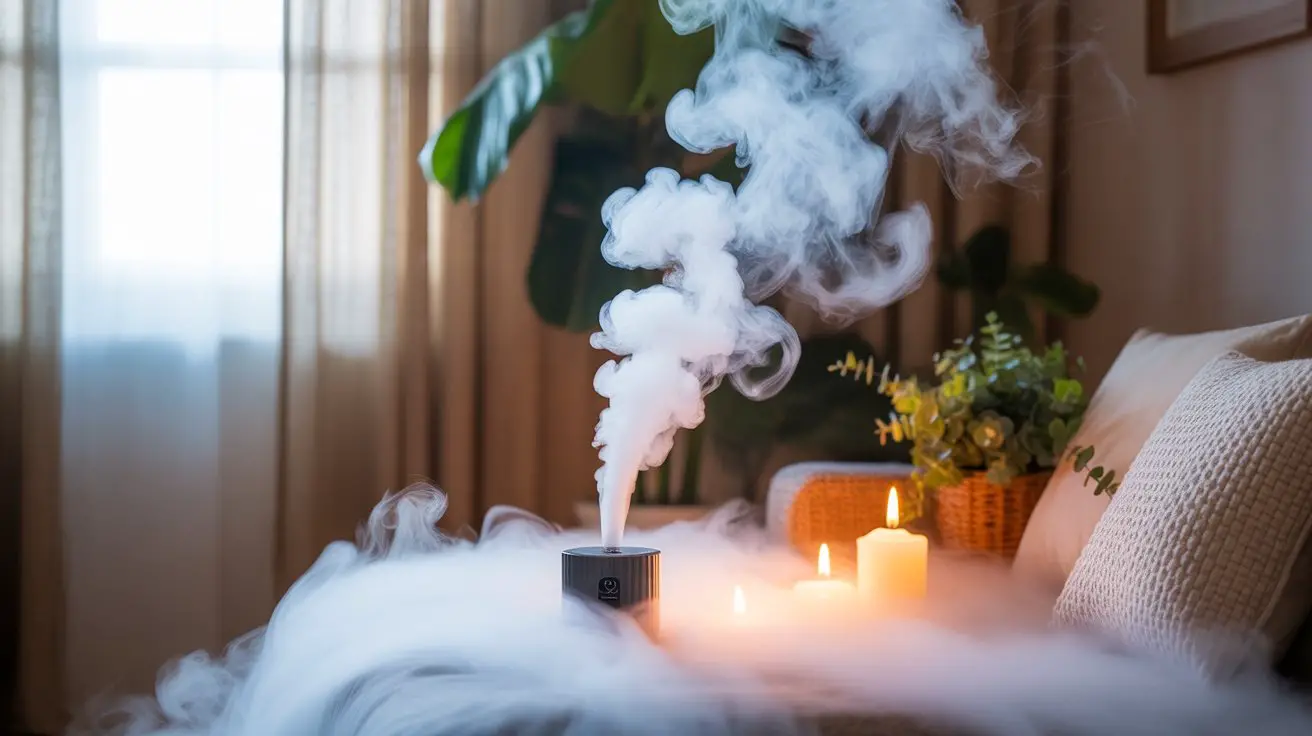
If you want fragrance, use a diffuser made for essential oils (tips on how to get more mist from a diffuser). Don’t add oils to a regular humidifier unless its manual allows it, because oils can damage the tank and parts.
Never add essential oils to fog fluid: oils can scorch in the hot heater, clog the pump and release irritating fumes. If you have cats, dogs or birds, skip eucalyptus, peppermint and tea tree oil, since the ASPCA lists many essential oils as toxic to pets.
Start with a few drops and see how everyone reacts. Scent bothers some people with asthma or allergies, so air the room out if anyone feels stuffy.
Lighting That Makes Mist Glow
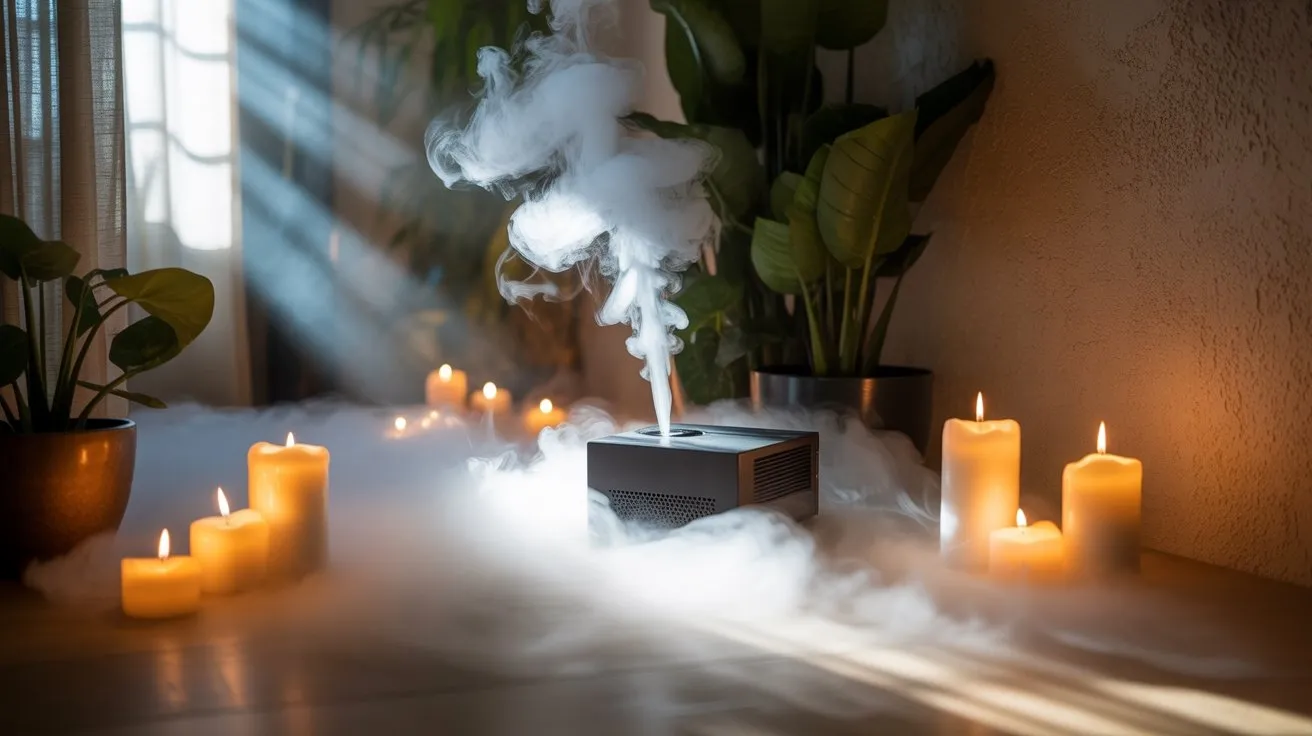
Mist shows up best when light hits it from the side or from behind. A dim LED strip at floor level, or a small lamp behind a plant, makes even a light mist look full.
Warm white light (around 2700K) feels the most relaxed, and a dimmer lets you fine-tune it. Keep plug-in lights away from water, and keep candles away from towels, curtains and the mist maker’s cord.
Overhead lights flatten the effect. Switch them off once everything is set up.
Placement Tips
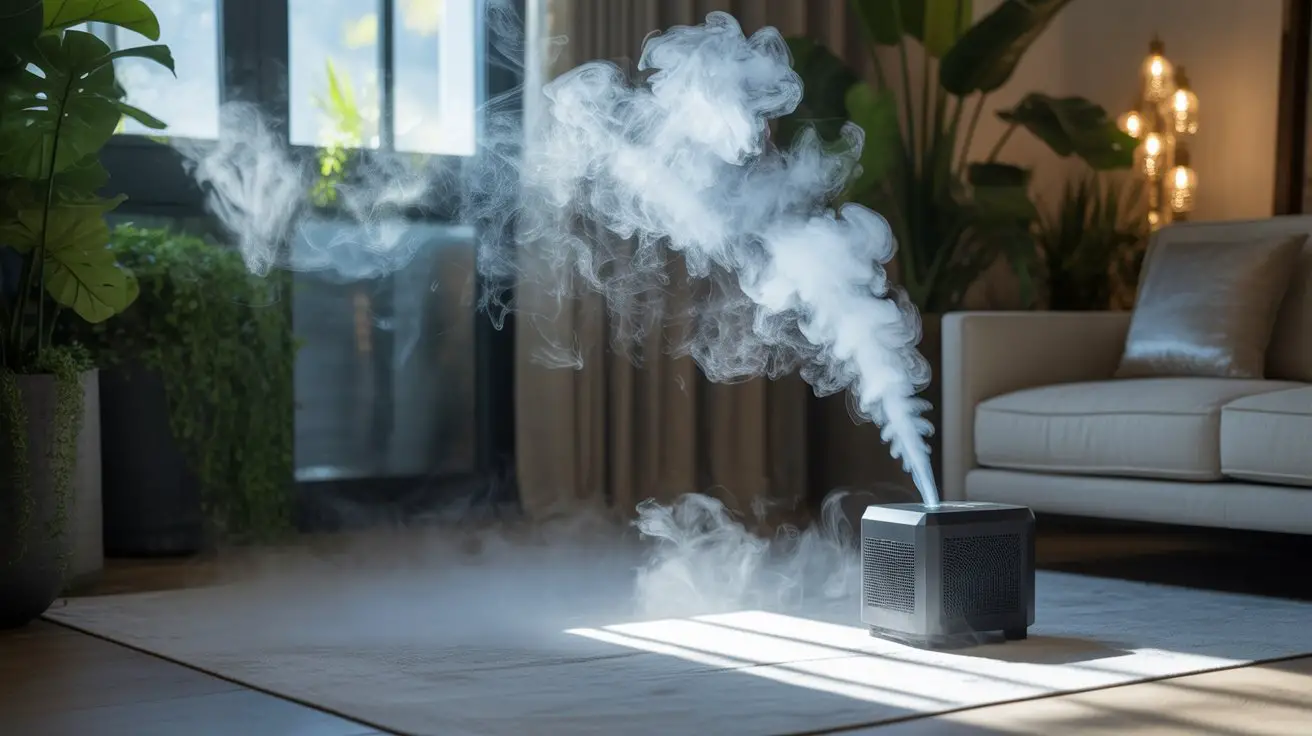
Set the mist maker low on a stable, water-safe surface so the mist drifts across the floor or along the tub edge. A corner near a plant or a tray of stones looks natural and hides the cord.
Keep it away from wood furniture, books and electronics, since steady moisture can warp or damage them. Point it away from air vents too, which scatter the mist before you see it.
If You Still Want to Use a Fog Machine Indoors
A glycol fog machine can make a dramatic look for a spa-themed party or photo. For everyday relaxation indoors, its drawbacks usually outweigh the effect.
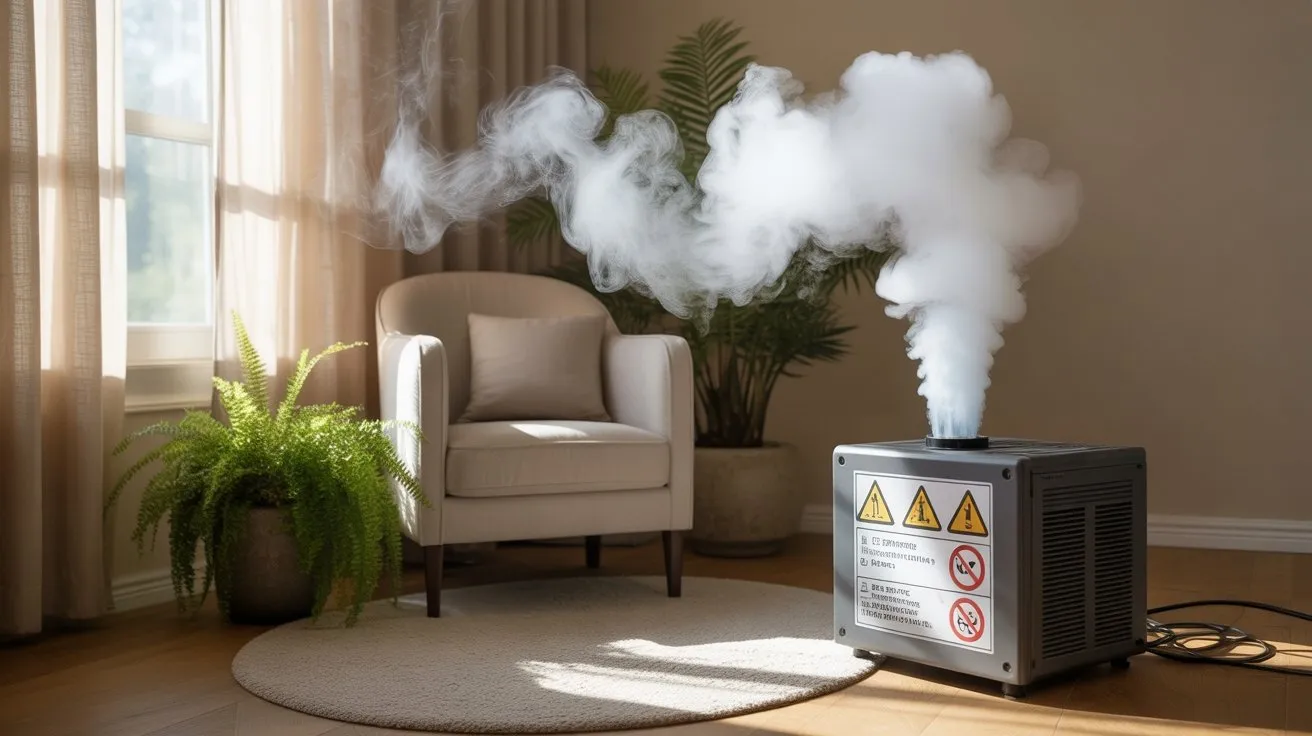
- Smoke alarms. Fog can set off smoke detectors, especially in a small room (see whether fog machines set off alarms and sprinklers). Never cover or disable an alarm; use short, light bursts away from it and air the room out between them.
- Breathing. Glycol fog can irritate airways and can trigger symptoms in some people with asthma. Keep sessions short, keep the room ventilated during use, and stop if anyone coughs or feels tight-chested (more in are fog machines safe to breathe).
- Residue. Fog leaves a thin, slick film, and on bathroom tile that’s a slip hazard. Over time it also coats mirrors and electronics.
- Heat and water. The machine runs hot, so set it on a stable, heat-safe surface and never leave it running unattended. Keep it and its cord away from tubs, sinks and showers, and plug it into a GFCI outlet.
- Fluid. Use only the fog fluid your machine’s maker approves. Never run plain water, even distilled water, through a fog machine on its own: it won’t make real fog and can damage the heater.
Cleaning and Upkeep
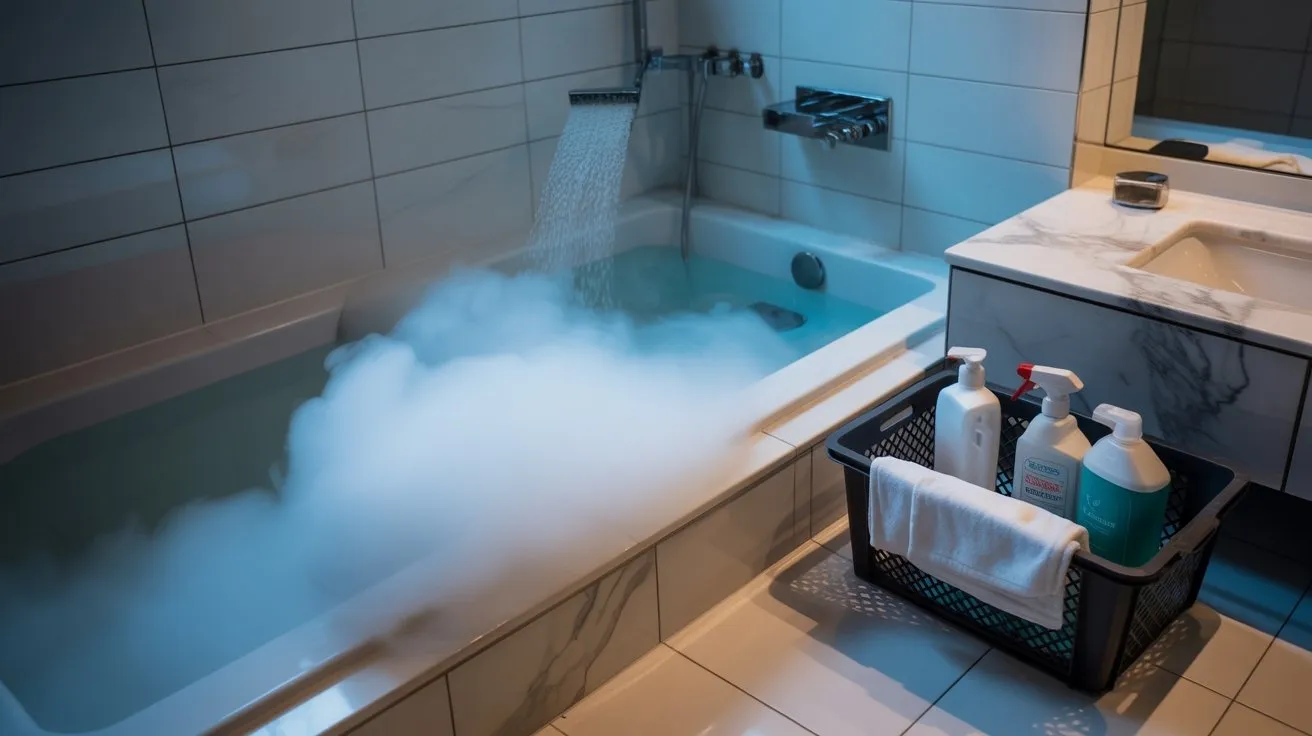
Mist makers and humidifiers need the most attention, because they hold water. Empty them after each use and clean or descale them on the schedule in the manual.
If you own a fog machine, clean it the way its maker recommends (see how to clean a fog machine). Store it with the fluid drained, in a cool, dry place out of reach of kids and pets.
Frequently Asked Questions
Can Fog Machines Trigger Smoke Alarms in My Home?
Yes. Many smoke detectors can’t tell fog from smoke, so use short bursts away from detectors and never disable one. A water mist maker is much less likely to cause trouble, as long as you keep it away from the detector.
Is Mist Safe for Pets and Houseplants?
Plain water mist from a clean device is generally fine for pets and plants when humidity stays moderate. Keep birds out of rooms with glycol fog or scented diffusers, since their lungs are very sensitive.
Will Mist Damage My Furniture or Electronics?
Steady moisture can over time, so keep the mist maker away from wood, books and electronics and keep humidity under about 50 percent. Glycol fog leaves an oily film, which is another reason to save it for occasional use.
Does Spa Mist Have Health Benefits?
Beyond a calmer mood and some relief from very dry air, no proven ones. If you have asthma or another lung condition, check with your doctor before using fog or scented mist.
Conclusion
For a spa feel at home, start with clean water-based mist, warm low light and a well-aired room. Save the glycol fog machine for parties, where its drawbacks matter less.