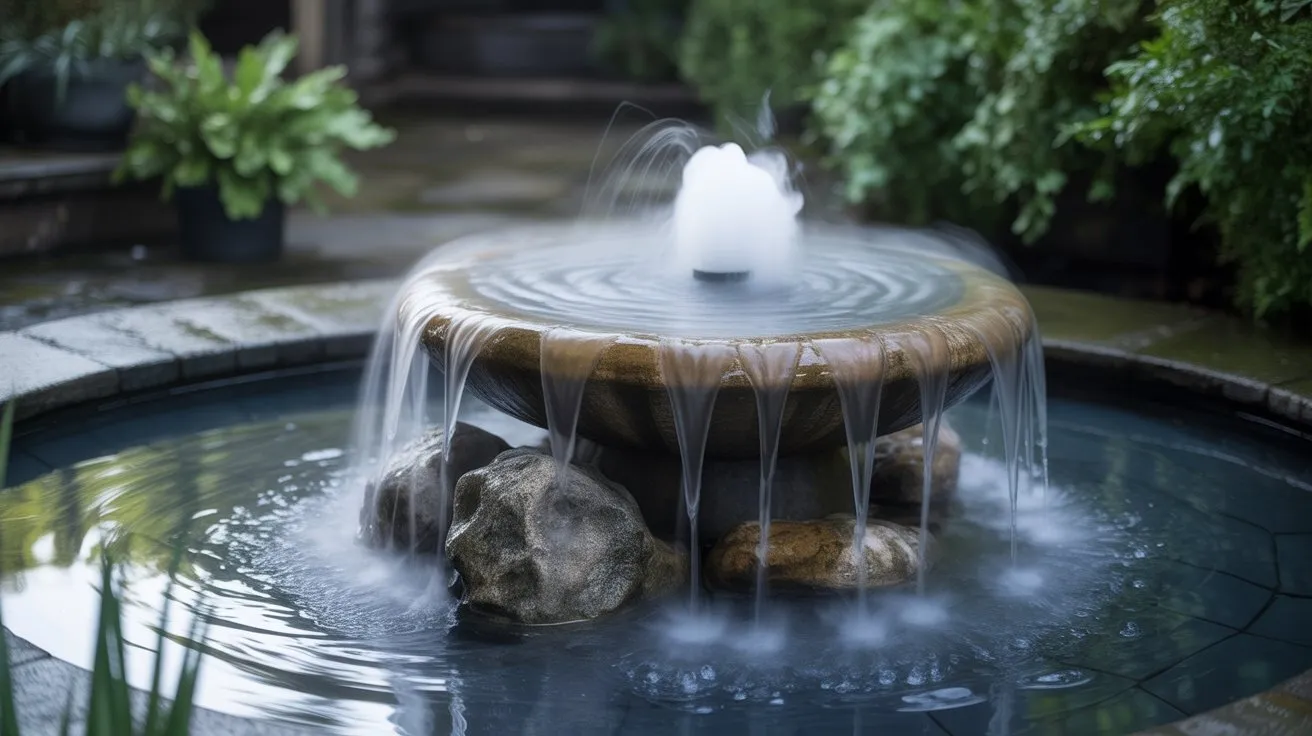
You’ll transform your outdoor space into a mesmerizing focal point by constructing a fog fountain that combines ultrasonic technology with strategic water circulation. The process requires precise component selection, proper electrical installation, and careful attention to water depth specifications. While the basic concept appears straightforward, several critical engineering considerations will determine whether your fountain produces dramatic, billowing fog effects or disappoints with minimal mist output.
Essential Materials and Tools You’ll Need
Before you begin constructing your fog fountain, you’ll need to procure specific components that guarantee ideal vapor generation and distribution. Your primary component is an ultrasonic mist maker with sufficient wattage output for your fountain’s water volume.
You’ll require a submersible water pump rated for continuous operation, flexible tubing for water circulation, and a waterproof electrical junction box.
Essential tools include a drill with masonry bits, waterproof sealant, and wire strippers for electrical connections. Select a suitable basin or reservoir that accommodates your mist maker’s flotation ring while maintaining proper water depth clearance.
Additional materials encompass distilled water to prevent mineral buildup, decorative stones for aesthetic enhancement, and LED lighting systems for nighttime visual impact. It’s crucial to use 100% distilled water to prevent mineral buildup, as regular water can clog the system and affect performance.
Make certain all electrical components feature appropriate IP ratings for outdoor moisture exposure.
Choosing the Perfect Location for Your Fog Fountain

With your materials and tools assembled, you must now identify the perfect installation site that maximizes your fog fountain’s performance while accommodating its technical requirements. Strategic positioning guarantees ideal ultrasonic mist dispersion while maintaining accessibility for maintenance protocols.
Evaluate these critical location parameters:
| Factor | Requirement | Impact |
|---|---|---|
| Power Access | 15-foot GFCI outlet | Electrical safety compliance |
| Wind Exposure | Minimal air movement | Fog density retention |
| Drainage | Adequate water runoff | Prevents overflow damage |
You’ll need level ground with proper load-bearing capacity for your basin’s water weight. Consider ambient lighting integration—fog dramatically enhances LED illumination effects. Avoid areas beneath overhanging branches or near HVAC discharge vents, as airflow disrupts fog patterns. Position your fountain where guests can appreciate the atmospheric effects without obstructing foot traffic or creating safety hazards. Additionally, ensure that your fog machine does not trigger fire alarms in the venue, as certain types of detectors can react to the particles produced by fog.
Selecting the Right Water Container and Base
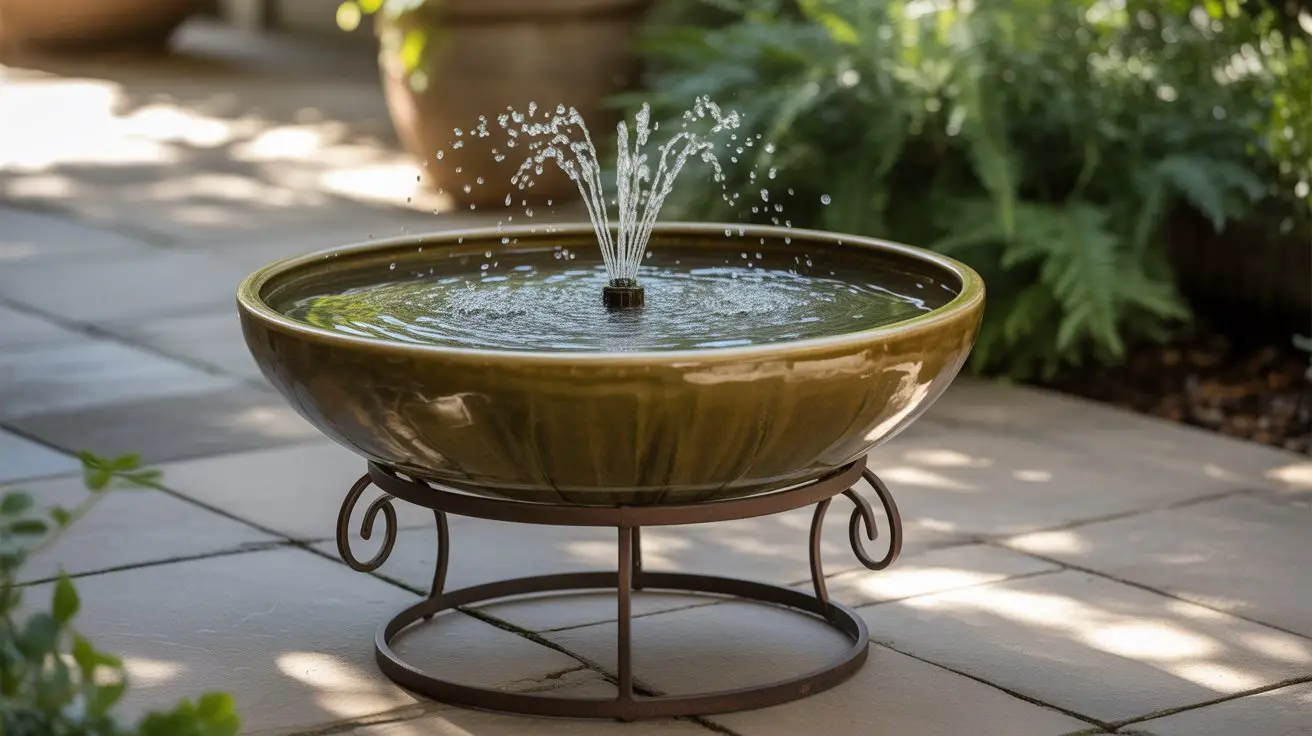
Your container selection directly determines fog distribution efficiency and structural stability throughout your fountain’s operational lifecycle. Choose vessels with wide apertures to maximize fog dispersion patterns and minimize vapor concentration bottlenecks.
Ceramic or stainless steel containers offer superior thermal conductivity, guaranteeing consistent ultrasonic mist generation temperatures. You’ll need a minimum 2-gallon capacity for sustained operation without frequent refilling interruptions.
Select bases with integrated cable management systems and waterproof electronics housing. Weighted pedestals provide essential stability against wind displacement and operational vibrations.
Consider modular base designs that accommodate future component upgrades or maintenance access requirements. Verify your base incorporates proper drainage channels to prevent water accumulation around electrical connections.
Match container aesthetics with existing patio design elements while maintaining functional specifications for peak fog production performance. Additionally, ensuring proper ventilation is crucial for safe operation, especially when using fog machines in outdoor settings.
Understanding Ultrasonic Mist Makers and Their Requirements
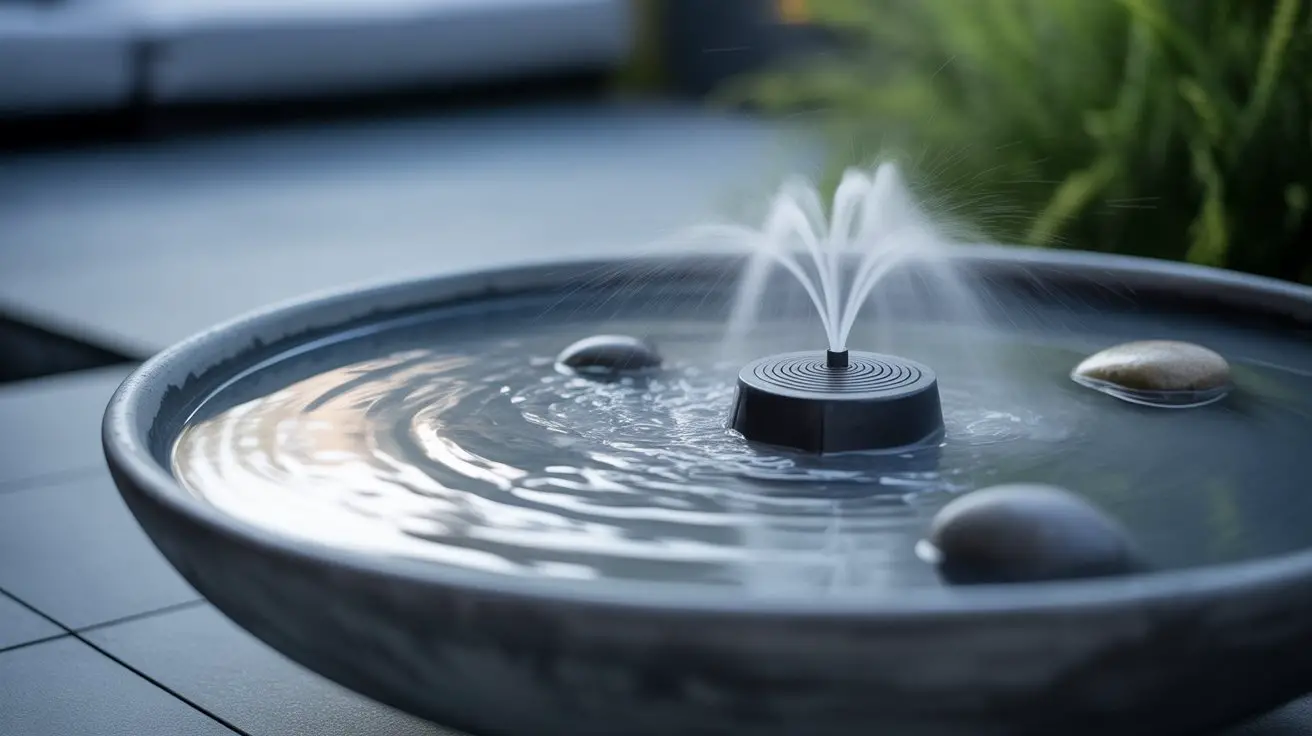
Ultrasonic mist makers generate fog through high-frequency vibrations that atomize water into microscopic droplets, requiring specific operational parameters for ideal performance.
You’ll need a transducer operating at 1.7-2.4 MHz frequency with proper electrical specifications matching your power supply. Water depth must maintain 2-3 inches above the ceramic disc for best mist production.
Temperature affects output density—cooler water produces denser fog while warm water creates lighter mist. Your unit requires consistent voltage regulation to prevent frequency drift that reduces atomization efficiency.
Install the mist maker on a stable platform to minimize vibration interference. Clean mineral deposits regularly using distilled water to prevent calcification on the transducer surface, which degrades performance and shortens operational lifespan considerably.
Setting Up the Water System and Plumbing Components
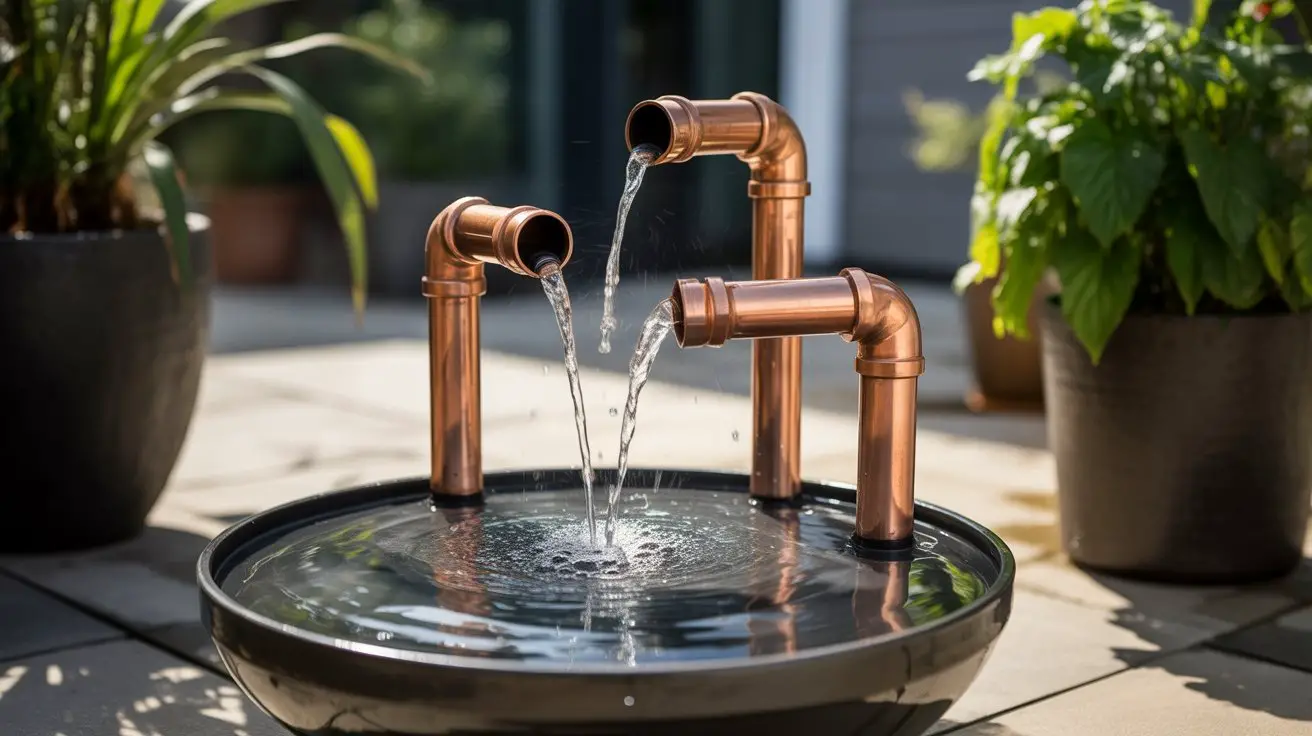
Three primary components form the foundation of your fog fountain’s water system: the reservoir assembly, circulation mechanism, and overflow management structure.
You’ll need to engineer precise water depth parameters for ideal mist generation while ensuring consistent flow dynamics.
Your plumbing configuration requires:
- Submersible water pump – Select a unit with adjustable flow rates matching your ultrasonic disc specifications and fountain volume requirements.
- Flexible tubing assembly – Install food-grade silicone hoses with appropriate diameter ratios to maintain pressure consistency throughout the circulation loop.
- Water level control system – Implement float switches or sensor-based monitoring to maintain ideal depth parameters automatically.
Connect your pump’s intake below the mist maker housing, ensuring adequate clearance from sediment accumulation zones.
Route return lines to create gentle circulation patterns that won’t disturb surface mist formation.
Installing the Mist Maker and Electrical Connections
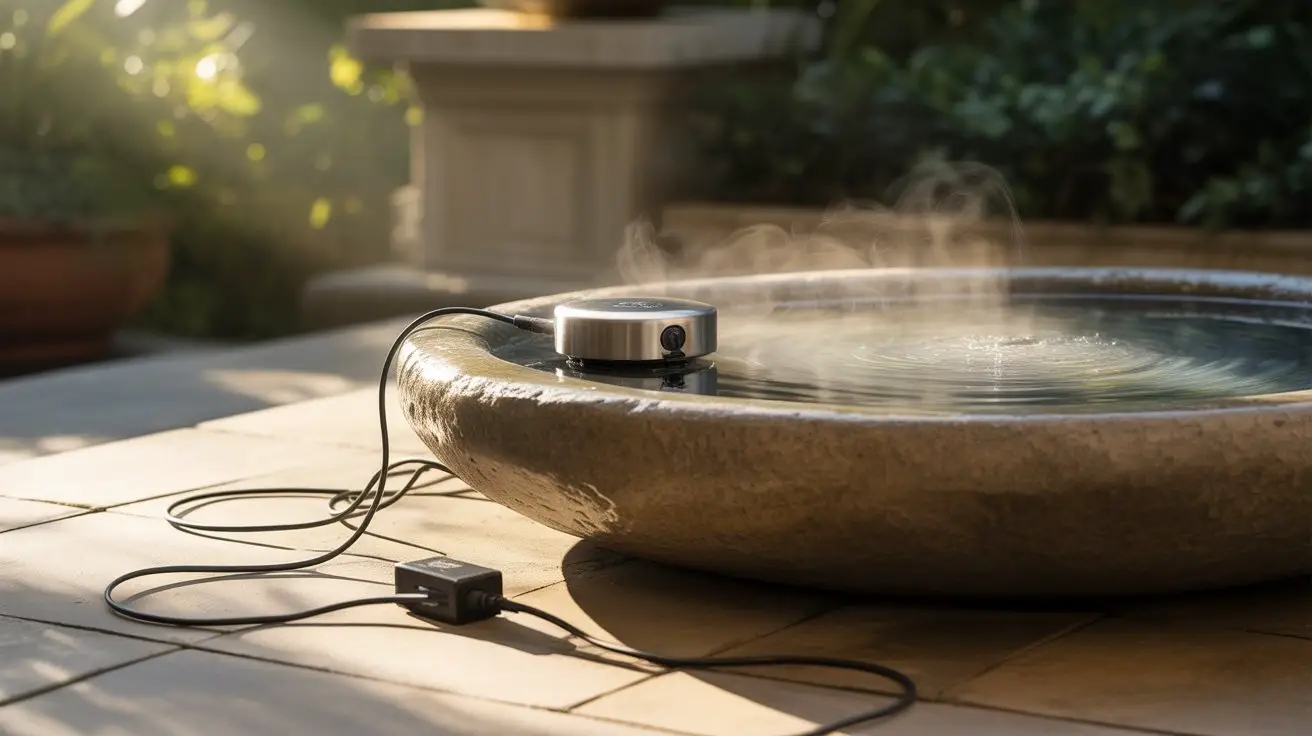
Position the ultrasonic disc assembly at the calculated depth beneath your water surface—typically 1-2 inches for ideal vapor production. Secure the transducer housing to your mounting bracket, ensuring it’s level and stable. Run the power cable through your designated conduit pathway to prevent water infiltration.
| Component | Voltage | Installation Depth | Wire Gauge |
|---|---|---|---|
| Ultrasonic Disc | 24V DC | 1-2 inches | 18 AWG |
| LED Ring Light | 12V DC | 2-3 inches | 20 AWG |
| Float Switch | 12V AC | 4-5 inches | 16 AWG |
| Transformer | 120V AC | Above water | 14 AWG |
| Control Module | 12V DC | Dry location | 18 AWG |
Connect your transformer to a GFCI-protected outlet. Wire the float switch to automatically shut off power when water levels drop below operational thresholds, preventing transducer damage.
Adding Lighting Elements for Maximum Visual Impact

The strategic placement of illumination transforms your fog fountain from a simple mist generator into an enchanting visual centerpiece.
Proper lighting design amplifies the fog’s ethereal qualities while creating dramatic atmospheric effects that enhance your patio’s ambiance.
Consider these essential lighting configurations:
- Submersible LED strips – Install waterproof RGB strips beneath the water surface to create upward illumination that penetrates the fog column, producing vibrant color gradients.
- Directional spotlights – Position adjustable LED spotlights at 45-degree angles around the fountain’s perimeter to create dramatic side-lighting that highlights fog density and movement patterns.
- Color-changing controllers – Integrate DMX controllers or smartphone-compatible systems to synchronize color shifts with ambient conditions, allowing dynamic lighting sequences that complement your outdoor entertainment schedule.
Testing Your Fog Fountain and Making Adjustments
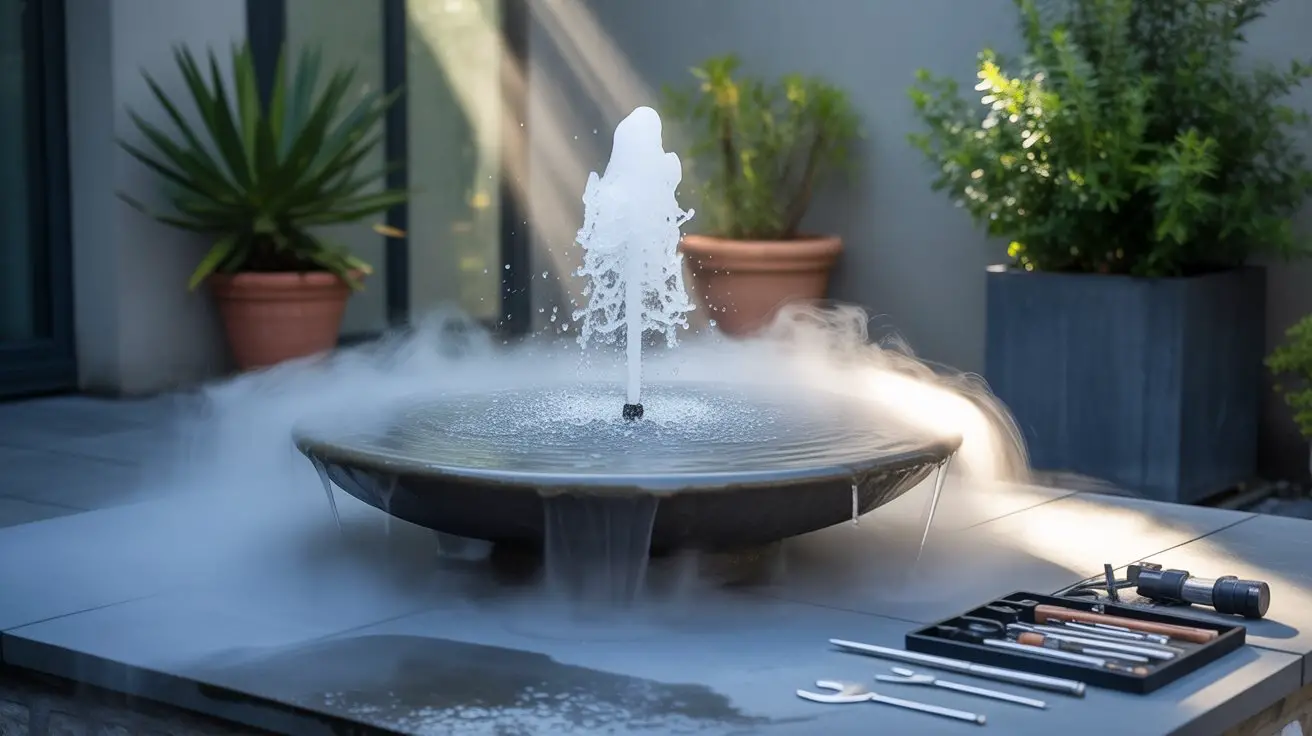
Once your lighting system integrates seamlessly with the fog generation components, you’ll initiate systematic testing protocols to enhance performance parameters and identify potential operational inefficiencies.
Begin by activating the ultrasonic transducer array while monitoring water temperature consistency—maintain 65-75°F for ideal vapor density.
Evaluate fog dispersion patterns and adjust nozzle angles to eliminate dead zones or excessive drift. Test LED synchronization timing with fog output cycles, ensuring proper illumination penetration through vapor columns.
Monitor power consumption metrics and thermal management systems during extended runtime periods. Document pressure readings, flow rates, and electrical parameters for baseline performance data.
Calibrate timer sequences and intensity modulation controls. Fine-tune pump pressure settings to achieve desired fog volume while preventing condensation accumulation in delivery pathways. Additionally, ensure that proper ventilation is maintained throughout the testing process to prevent any overheating issues.
Maintenance Tips to Keep Your Fog Fountain Running Smoothly

While ideal performance depends on systematic testing and calibration, maintaining your fog fountain’s operational integrity requires implementing structured preventive maintenance protocols that address both mechanical and electronic subsystems.
- Clean ultrasonic transducers monthly – Remove mineral deposits using distilled white vinegar solutions to prevent frequency degradation and guarantee peak vapor production rates.
- Replace water filtration components quarterly – Install new activated carbon filters and demineralization cartridges to eliminate contaminants that compromise misting quality and damage internal components.
- Inspect electrical connections bi-weekly – Check all junction points, wire terminals, and GFCI protection systems for corrosion, loose connections, or thermal damage that could cause system failures.
These maintenance intervals guarantee consistent fog density, extend component lifespan, and maintain safety compliance standards for your installation.
Frequently Asked Questions
Is It Safe to Operate a Fog Fountain Around Children and Pets?
You’ll need ultrasonic technology that’s non-toxic and chemical-free. Guarantee proper ventilation, childproof electrical components, and maintain appropriate clearances. Don’t use glycol-based fluids—stick with distilled water for ideal safety parameters around vulnerable populations.
How Much Does It Typically Cost to Build a DIY Fog Fountain?
Ironically, you’ll spend more on premium ultrasonic transducers than anticipated—basic DIY fog fountains cost $50-150, while integrated architectural systems with precision controls, specialized reservoirs, and professional-grade components reach $300-500.
Can I Use My Fog Fountain Indoors or Only Outdoors?
You can operate fog fountains indoors with proper ventilation systems and humidity control. Guarantee adequate air circulation prevents moisture accumulation on surfaces. Indoor installations require electrical safety considerations, GFCI protection, and appropriate drainage solutions for peak performance.
Will the Fog Fountain Attract Mosquitoes or Other Insects to My Patio?
Like moths to flame, fog fountains won’t inherently attract mosquitoes since they don’t provide breeding conditions. However, you’ll need proper drainage systems to prevent water accumulation, which could create secondary attraction vectors for various insects.
How Long Do Ultrasonic Mist Makers Typically Last Before Needing Replacement?
You’ll typically get 3,000-5,000 operating hours from quality ultrasonic transducers before ceramic disc degradation affects misting performance. Premium units with stainless steel housings and replaceable transducer modules can extend operational lifespan considerably.
Conclusion
You’ve engineered an absolutely spectacular atmospheric water feature that’ll transform your patio into a mystical oasis beyond imagination. Your precision installation of ultrasonic transducers, integrated lighting systems, and optimized fluid dynamics creates an extraordinary fog display that’s practically otherworldly. The technical mastery you’ve demonstrated through GFCI compliance, proper submersion depth calibration, and systematic component integration guarantees your fountain operates flawlessly. Regular maintenance protocols will sustain peak performance indefinitely.