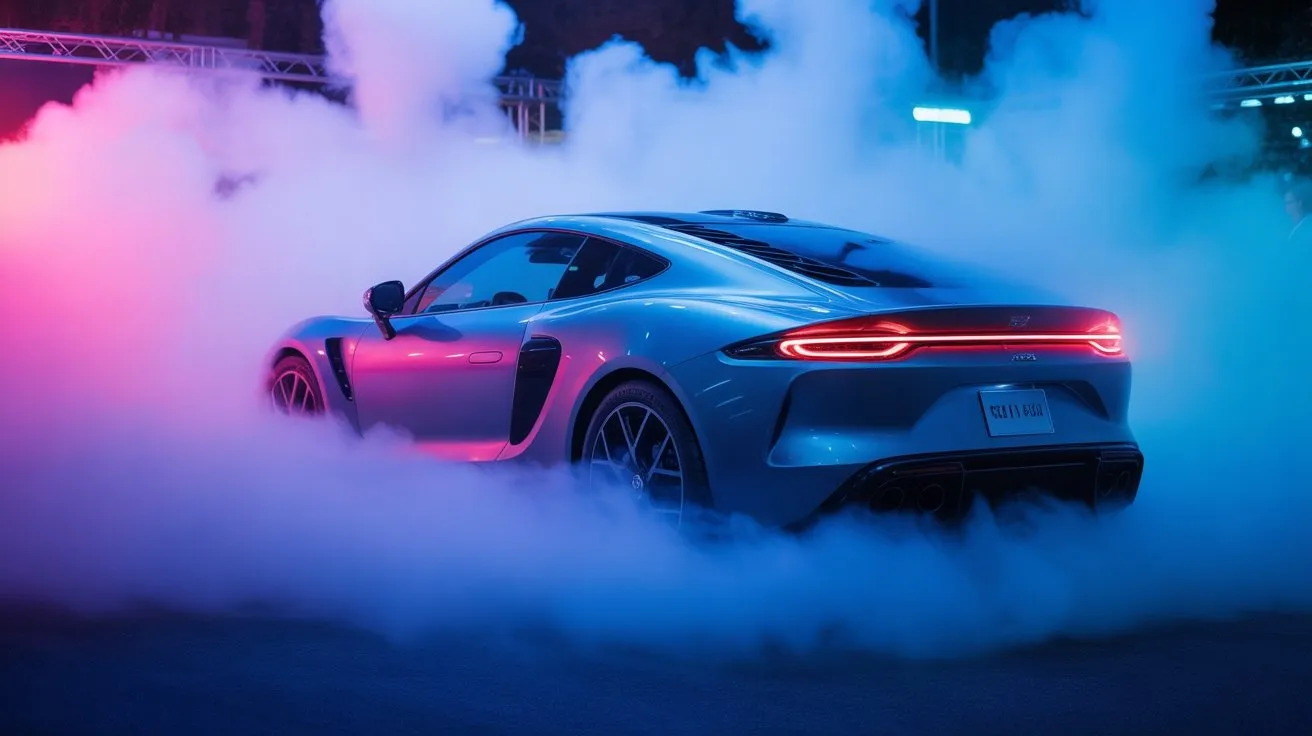
You’ve invested countless hours perfecting your car show display, but something’s still missing that dramatic flair you see at professional automotive events. The secret lies in strategic fog machine deployment—a technique that transforms ordinary vehicle presentations into enchanting spectacles. However, there’s much more to creating effective fog effects than simply plugging in a machine and pressing the power button. Your success depends on understanding the critical factors that separate amateur attempts from professional-grade results.
Types of Fog Machines and Their Applications
When you’re selecting a fog machine for your car show display, you’ll encounter three primary types that each serve distinct purposes.
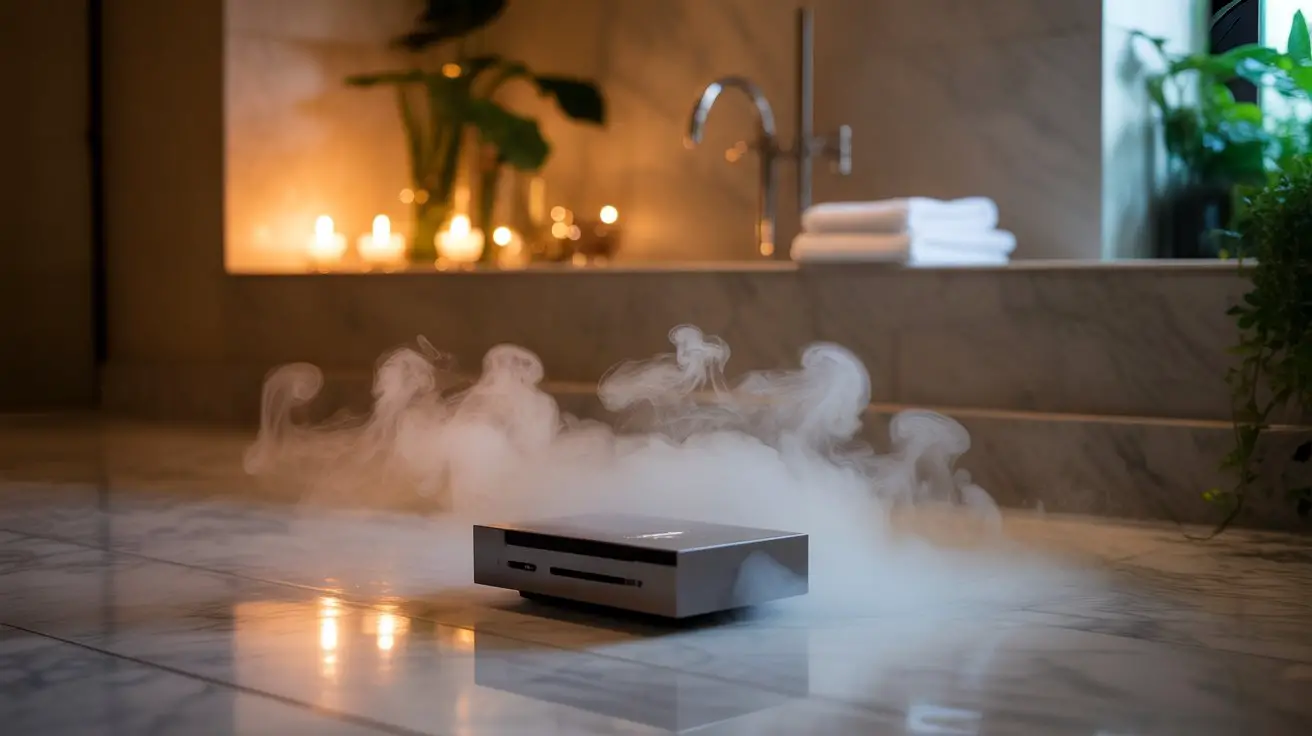
Water-based fog machines produce dense, low-hanging fog that’s perfect for creating dramatic ground effects around your vehicle’s base. These units work best in controlled indoor environments where minimal air circulation preserves the effect.
Oil-based fog machines generate longer-lasting, more resilient fog that withstands outdoor conditions and light breezes. They’re ideal for larger displays where you need consistent coverage over extended periods.
Dry ice fog machines create the most dramatic effect with ultra-low fog that hugs surfaces perfectly. However, they require constant dry ice replenishment and proper ventilation. Fog chillers enhance low-lying fog effects by cooling the fog, making them a great addition for those wanting to create an even more captivating atmosphere.
Choose water-based for indoor shows, oil-based for outdoor events, and dry ice for maximum visual impact.
Choosing the Right Fog Fluid for Automotive Displays
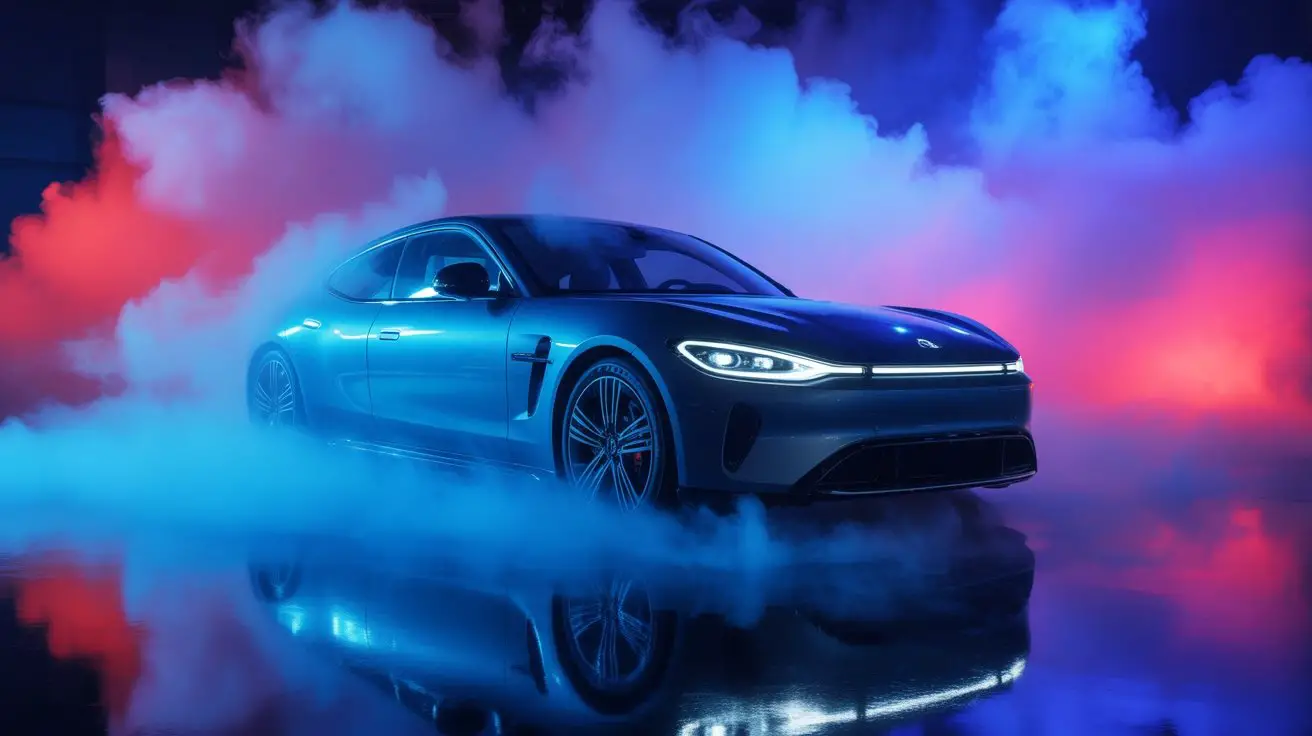
Your fog machine’s performance depends heavily on the fluid you select, as different formulations produce vastly different visual effects and longevity. The wrong choice can damage your equipment or create poor visibility around expensive vehicles.
Consider these essential fluid characteristics for automotive displays:
- Density and hang time – Medium-density fluids provide ideal coverage without obscuring vehicle details completely.
- Residue properties – Water-based formulations leave minimal residue on car surfaces compared to oil-based alternatives.
- Dissipation rate – Quick-dissipating fluids work best in enclosed spaces where ventilation is limited.
- Temperature compatibility – Match fluid viscosity to your machine’s heating element specifications for consistent output.
Always test your chosen fluid beforehand and verify it’s compatible with your specific fog machine model. Quality fluid prevents equipment damage and delivers professional results. Additionally, using glycerin-based smoke fluid ensures a more visually appealing fog effect that enhances the overall atmosphere at your car show.
Venue Requirements and Safety Regulations
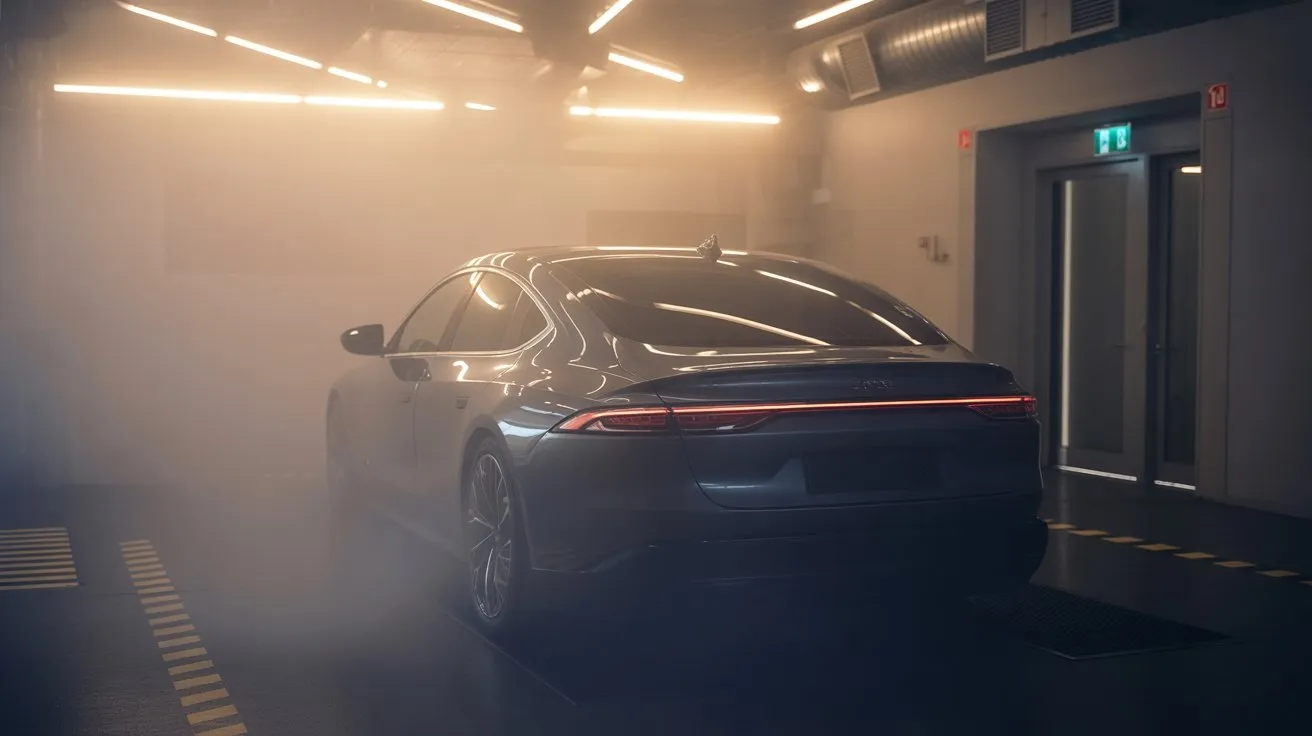
Before operating fog machines at automotive events, you must understand that most venues enforce strict fire safety codes and ventilation requirements that directly impact your setup options.
You’ll need adequate ceiling height—typically minimum 12 feet—to prevent fog from triggering smoke detectors. Check if the venue requires fire marshal approval before your event, as many facilities mandate 48-hour advance notice for fog machine use.
Position machines away from electrical panels, emergency exits, and HVAC intakes. Confirm your setup includes proper electrical grounding and circuit protection.
Some venues prohibit oil-based fluids entirely, restricting you to water-based alternatives only. Always verify insurance coverage requirements, as certain locations demand additional liability protection specifically for fog effects. Additionally, ensure you follow guidelines for short exposure to minimize health risks associated with fog machine use.
Document all approvals beforehand to avoid last-minute complications.
Strategic Placement and Positioning Techniques
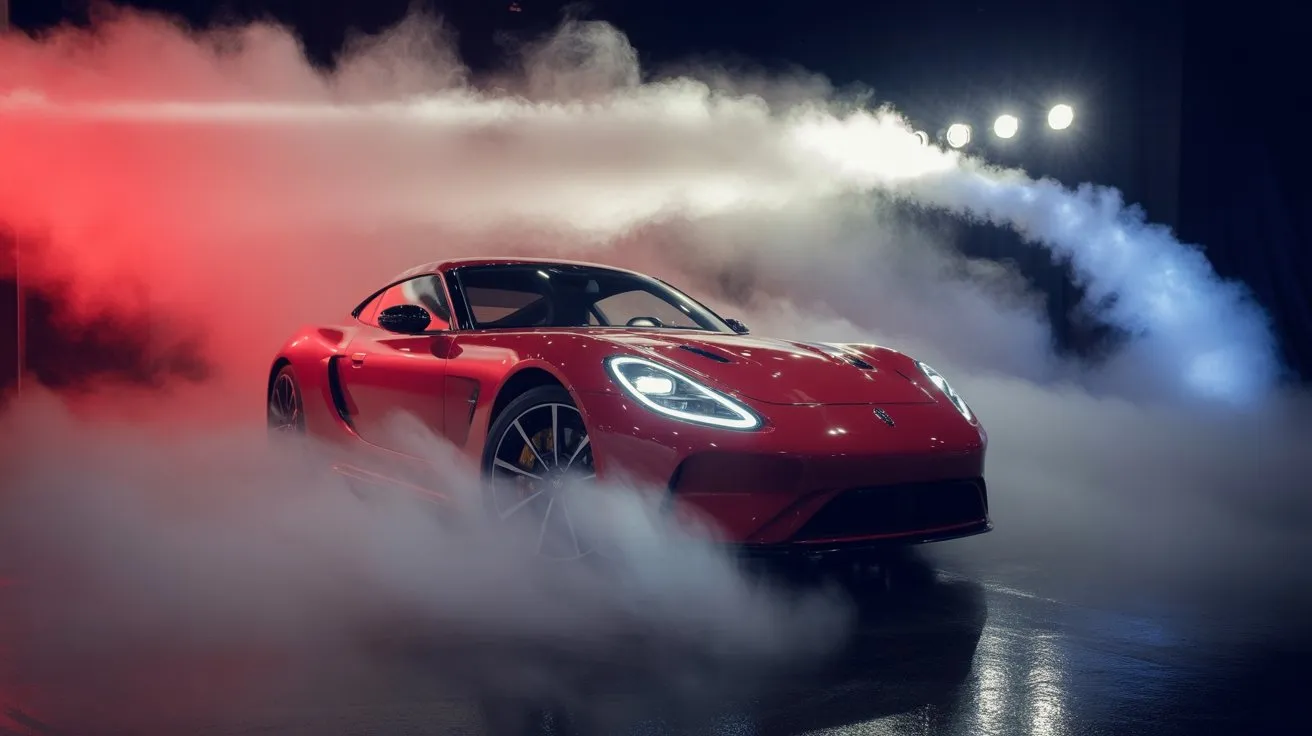
Three fundamental positioning principles determine whether your fog effects enhance or distract from your vehicle displays.
You’ll need to take into account sight lines, ambient airflow, and machine accessibility when planning your setup.
Your fog machine placement directly impacts visual drama and safety compliance. Position units to create depth without obscuring key vehicle features that judges and spectators want to examine closely.
- Ground-level positioning creates low-lying fog that pools around tires and undercarriage areas.
- Elevated placement on stands or platforms distributes fog more evenly across wider areas.
- Directional angling toward specific vehicle sections highlights chrome, paint details, or custom modifications.
- Multiple unit coordination guarantees consistent coverage throughout your display space without creating dead zones.
Test your positioning during setup to verify ideal fog distribution patterns. Additionally, be aware that fog machines can trigger false alarms in venues due to their smoke particles, so always check with the venue regarding their smoke detector systems.
Timing Your Fog Effects for Maximum Impact
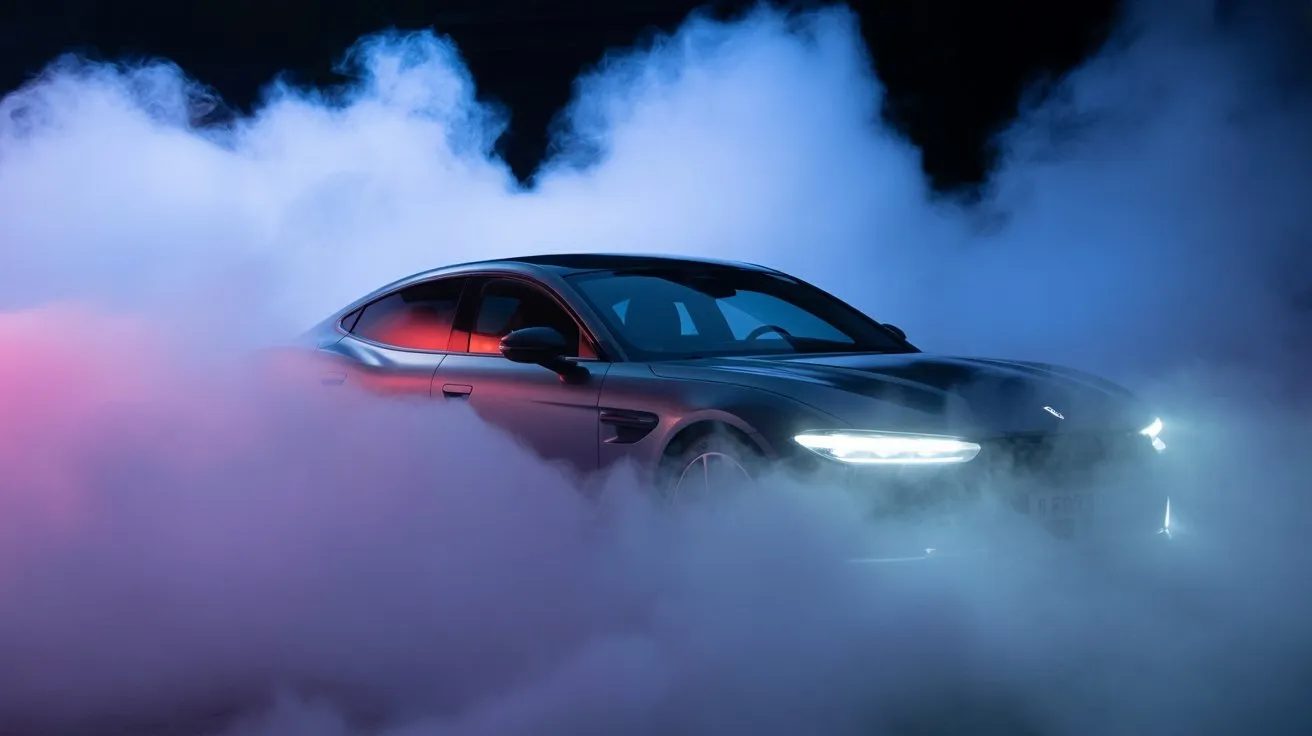
Perfect fog placement means nothing without precise timing to maximize visual impact during peak viewing moments. You’ll achieve the most dramatic effects by coordinating fog release with audience engagement patterns and lighting changes. Additionally, the use of fog machines is effective in creating immersive experiences that resonate with viewers.
| Timing Strategy | Ideal Duration | Key Considerations |
|---|---|---|
| Event Opening | 30-45 seconds | Build anticipation, avoid overwhelming |
| Peak Traffic | 15-20 seconds | Quick bursts prevent crowd obstruction |
| Photo Sessions | 60-90 seconds | Allow positioning time for photographers |
Monitor crowd density and adjust accordingly. You shouldn’t activate fog during judge evaluations or when visibility becomes problematic. Coordinate with event organizers to identify premium moments like award presentations or special reveals. Strategic timing transforms ordinary displays into memorable experiences that captivate audiences and enhance your vehicle’s presentation impact.
Coordinating Fog With Lighting Systems
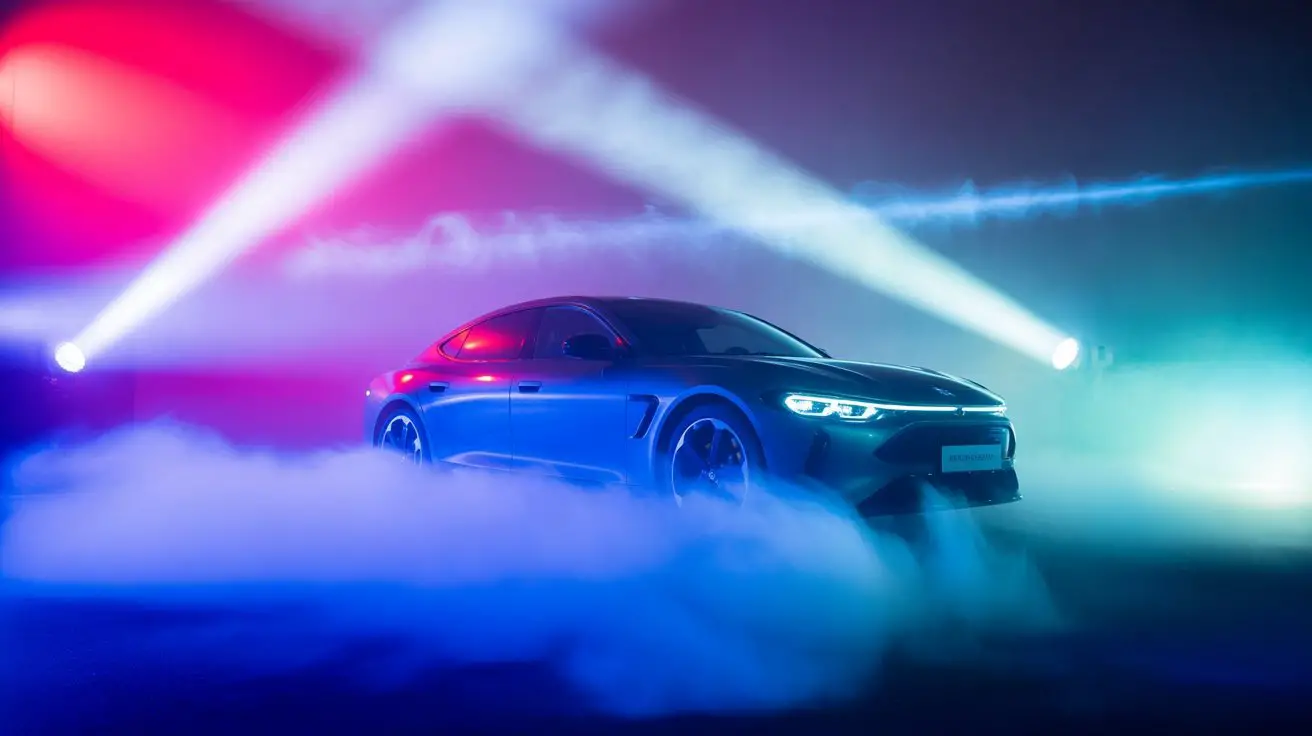
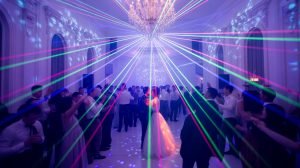
When you combine fog effects with strategic lighting, you’ll create dramatic visual depth that transforms your vehicle into a show-stopping centerpiece. The fog acts as a canvas for your lighting setup, making beams visible and adding three-dimensional texture to your display.
- Position LED strips beneath your vehicle to create an illuminated fog base that highlights your car’s undercarriage and creates ground-level ambiance.
- Use colored spotlights from multiple angles to penetrate the fog and create layered lighting effects that emphasize your vehicle’s curves and details.
- Install backlighting behind the fog source to create silhouette effects and add mysterious depth to your presentation.
- Synchronize pulsing or fading lights with fog bursts to create dynamic, choreographed sequences that captivate audiences.
Power Supply and Equipment Setup Considerations
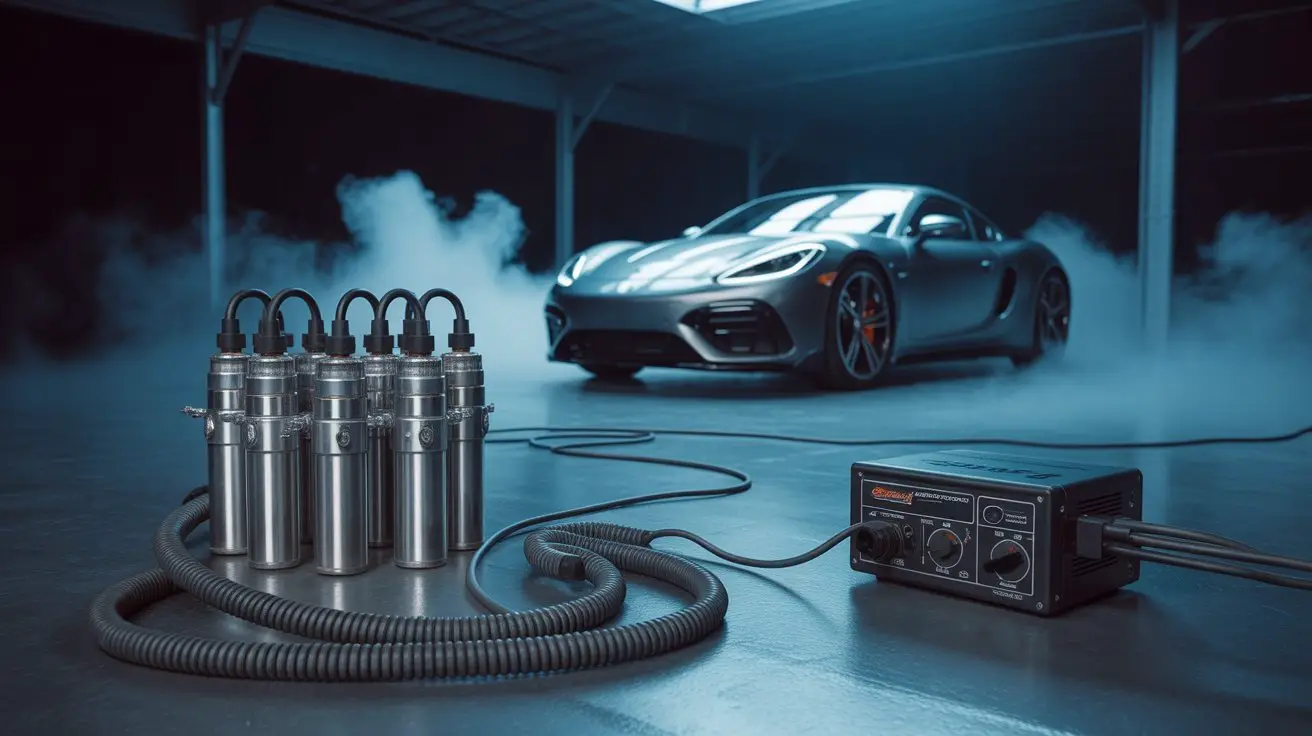
Setting up fog machines for car shows requires careful planning of your power infrastructure, as most professional-grade units draw significant electrical current that can overwhelm standard outlet circuits.
You’ll need dedicated 15-20 amp circuits for larger machines, and always check your venue’s electrical capacity before the event. Position your fog machines strategically near power sources to minimize extension cord runs, which create voltage drops and safety hazards.
Use heavy-duty, properly rated extension cords when necessary, and never daisy-chain multiple machines on one circuit.
Place units on stable, level surfaces away from foot traffic, and guarantee adequate clearance for ventilation and fluid refills. Connect your fog machines to your lighting controller or DMX system early to test synchronization.
Keep backup power solutions available, including portable generators for outdoor events where electrical access is limited.
Creating Different Visual Effects and Atmospheres
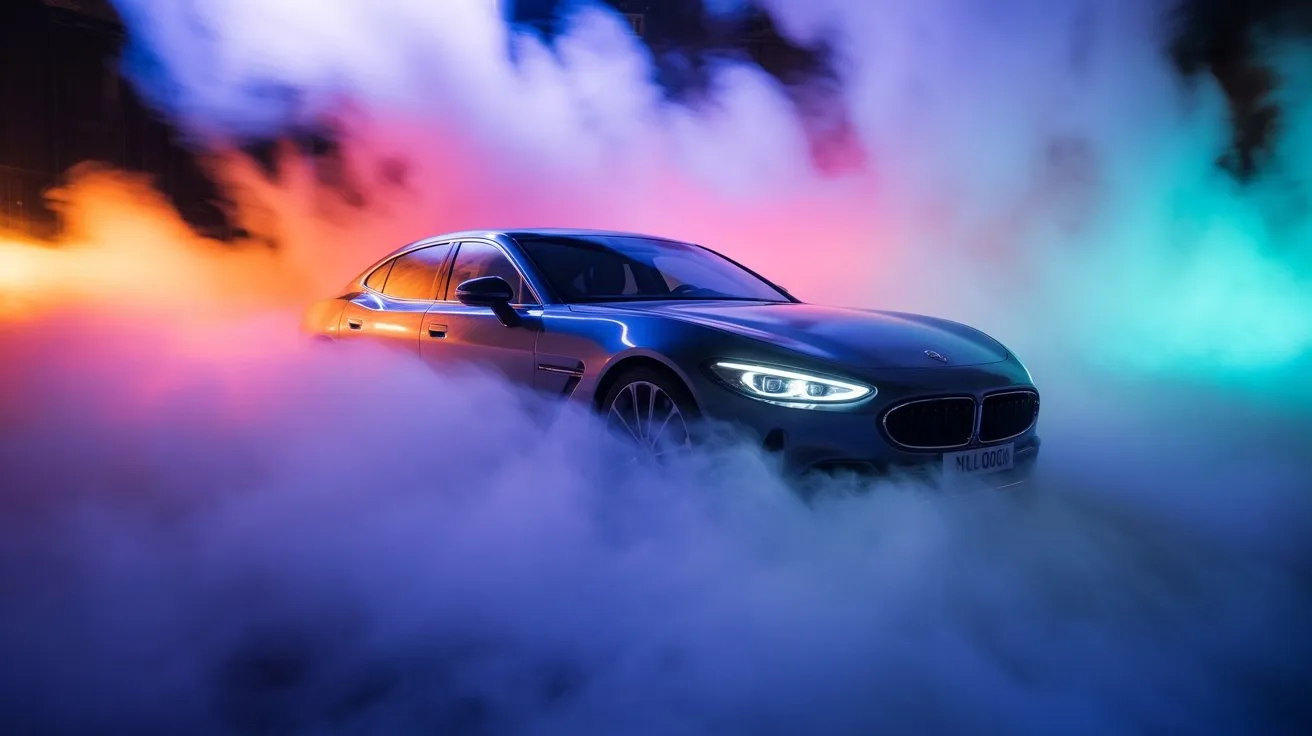
Once your equipment is properly connected and tested, you can focus on crafting the specific visual effects that will showcase each vehicle to its maximum potential.
Different fog densities and timing create distinct atmospheres for various car categories. Sports cars benefit from dramatic, thick fog bursts that highlight their aggressive lines, while classic vehicles require subtle, wispy effects that enhance their elegant curves without overwhelming delicate details.
Consider these proven techniques for maximum impact:
- Low-lying fog pools – Creates mysterious ground-level atmosphere around wheel wells and undercarriage
- Backlit fog curtains – Positions fog between vehicle and lighting to create dramatic silhouettes
- Timed burst sequences – Synchronizes fog release with music or presentation cues for theatrical reveals
- Layered density effects – Combines multiple machines at different intensities for depth and dimension
Match your fog strategy to each vehicle’s unique character and styling.
Maintenance and Troubleshooting During Events
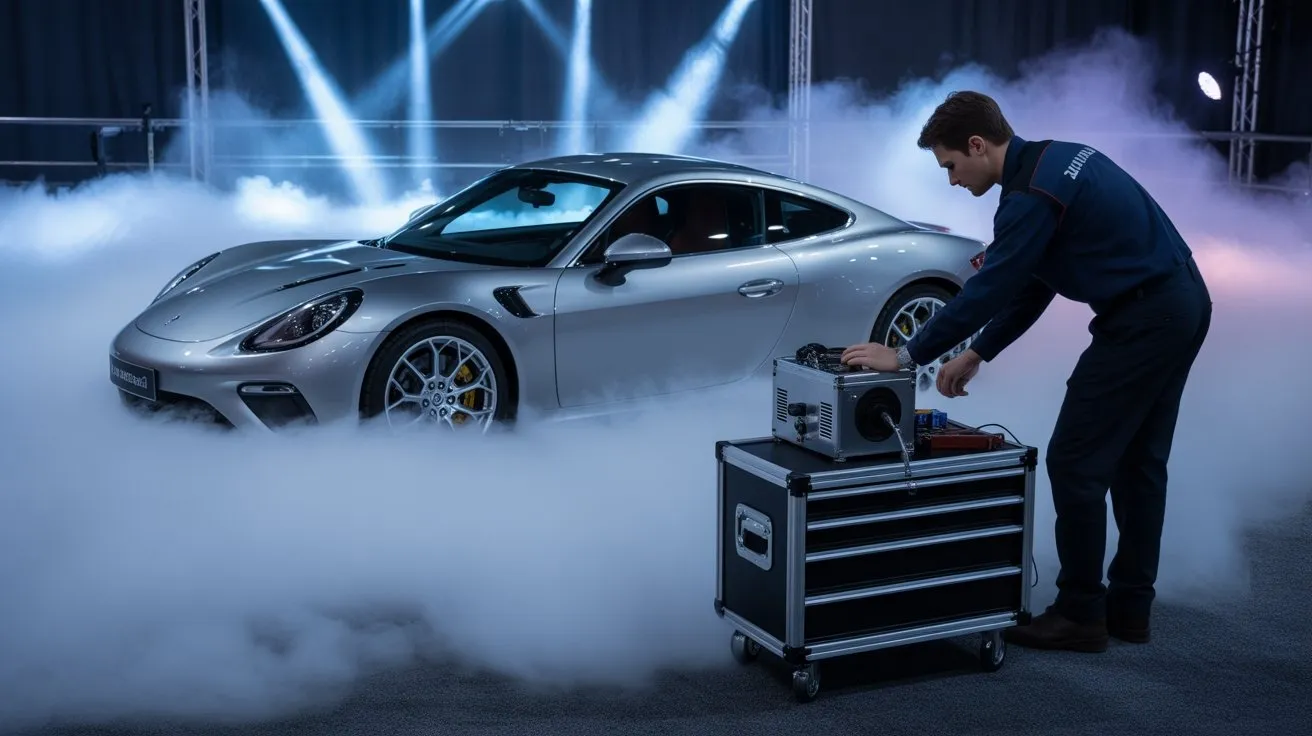
Even with thorough pre-event preparation, fog machines require active monitoring and quick response protocols during car shows to maintain consistent performance.
You’ll need to check fluid levels every two hours and keep spare fog juice containers nearby. Monitor output density and adjust settings if fog becomes too thick or thin for your display needs.
Common issues include clogged nozzles, overheating, and inconsistent output. Clear blockages immediately using compressed air or the manufacturer’s cleaning solution.
If your machine overheats, turn it off for fifteen minutes before resuming operation. Keep backup units ready for critical displays.
Document any problems with timestamps and solutions applied—this information proves invaluable for future events and helps you refine your maintenance schedule.
Budget-Friendly Alternatives and Rental Options
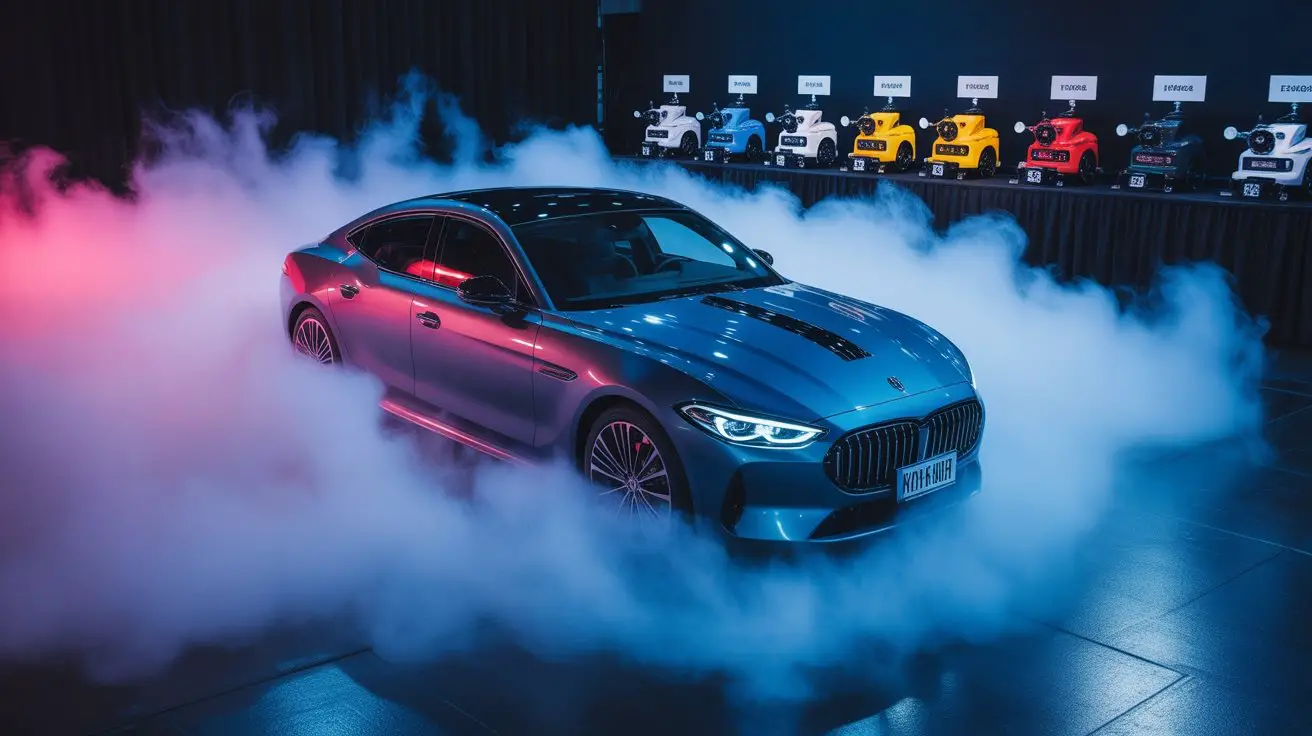
Many car show organizers discover that purchasing fog machines isn’t always the most cost-effective solution, especially for occasional events or when testing different atmospheric effects.
Rental services offer flexible options that align with your budget and frequency needs. You’ll find several cost-effective approaches:
- Local event rental companies – Often provide fog machines, fluids, and basic training for $50-150 per weekend.
- Audio-visual equipment suppliers – Typically offer higher-end machines with professional-grade fluids and technical support.
- Theater or DJ equipment rentals – Budget-friendly options starting around $25-75 per day, though fluid costs remain separate.
- Shared rental arrangements – Partner with other car show organizers to split costs on bulk rentals or seasonal packages.
You’ll maximize value by comparing fluid inclusion policies, delivery fees, and backup equipment availability before committing.
Frequently Asked Questions
Will Fog Machines Damage My Car’s Paint or Interior Materials?
You shouldn’t worry about damage from properly used fog machines. They produce water-based vapor that won’t harm paint, chrome, or interior materials when you maintain safe distances and use quality fog fluid.
How Do I Prevent Fog From Triggering Fire Alarms at Indoor Venues?
Like smoke signals triggering ancient warnings, you’ll need to contact venue management beforehand to temporarily disable or adjust sensitive alarms. Use water-based fog, maintain proper ventilation, and position machines away from detectors.
Can Fog Machines Be Used Outdoors in Windy Conditions Effectively?
You’ll struggle with fog machines outdoors in windy conditions since wind rapidly disperses the fog effect. Consider using low-lying fog fluids, positioning machines strategically behind windbreaks, or timing usage during calmer weather periods.
What Insurance Considerations Should I Know Before Using Fog Machines at Shows?
Like walking through a minefield, you’ll need extensive liability coverage for potential slip hazards, property damage, and respiratory issues. Contact your insurer beforehand—standard policies often exclude special effects equipment and associated risks.
How Far in Advance Should I Arrive to Set up Fog Equipment?
You’ll need at least 90 minutes before the show starts. Allow time for equipment inspection, electrical connections, positioning adjustments, and test runs. Factor in potential troubleshooting delays and coordinate with venue staff for ideal setup timing.
Conclusion
You’ll discover that mastering these atmospheric enhancements isn’t just about pressing buttons—it’s about orchestrating memorable experiences. When you’ve navigated the technical considerations and safety protocols, you’ll find yourself crafting visual poetry that transforms ordinary displays into extraordinary showcases. Your investment in proper equipment, strategic planning, and attention to detail will pay dividends as attendees linger longer around your enhanced presentations. The magic you create becomes the difference between forgettable and unforgettable automotive exhibitions.