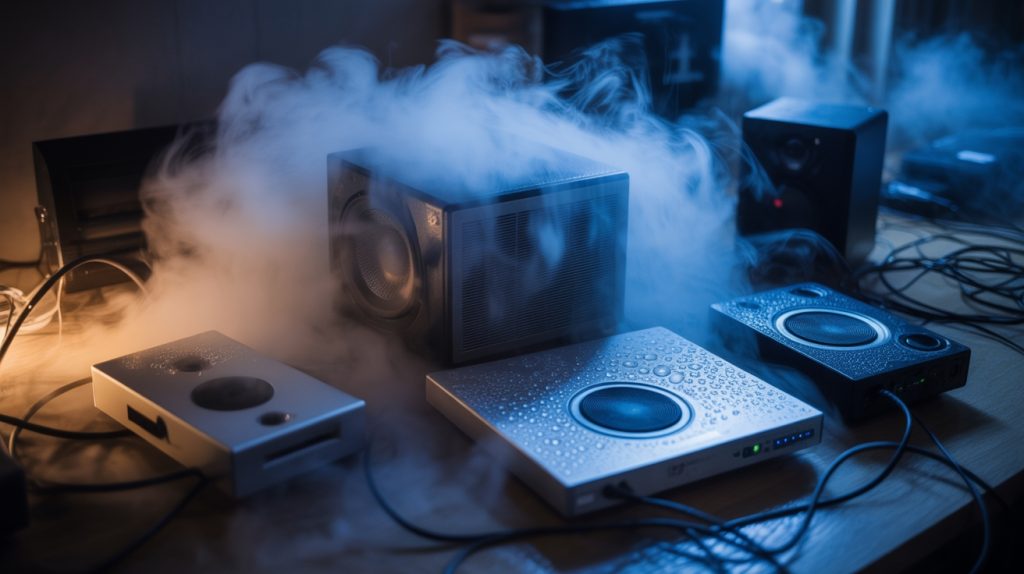
Can fog machines damage electronics? In normal use, not really. Clubs, theaters and touring crews run fog and haze around lights, sound gear and computers every night.
Problems come from heavy, repeated fogging in a small closed room, or from blasting fog straight at equipment up close. Here’s what actually happens and how to keep your gear clean.
How Fog Machines Work and What They Produce
A fog machine pumps fluid, usually distilled water mixed with glycols or glycerin, into a hot heat exchanger. The fluid vaporizes, then condenses into tiny droplets as it hits cooler air, and that’s the fog you see.
Those droplets eventually settle or get pulled out by ventilation. In a ventilated room fog clears fairly quickly, while in a small closed room it hangs around and can leave a light film over time.
Heavy, prolonged fog can also cause throat irritation and coughing in some people, so ventilate for your guests as much as your gear.
Types of Fog Fluids and Their Chemical Composition
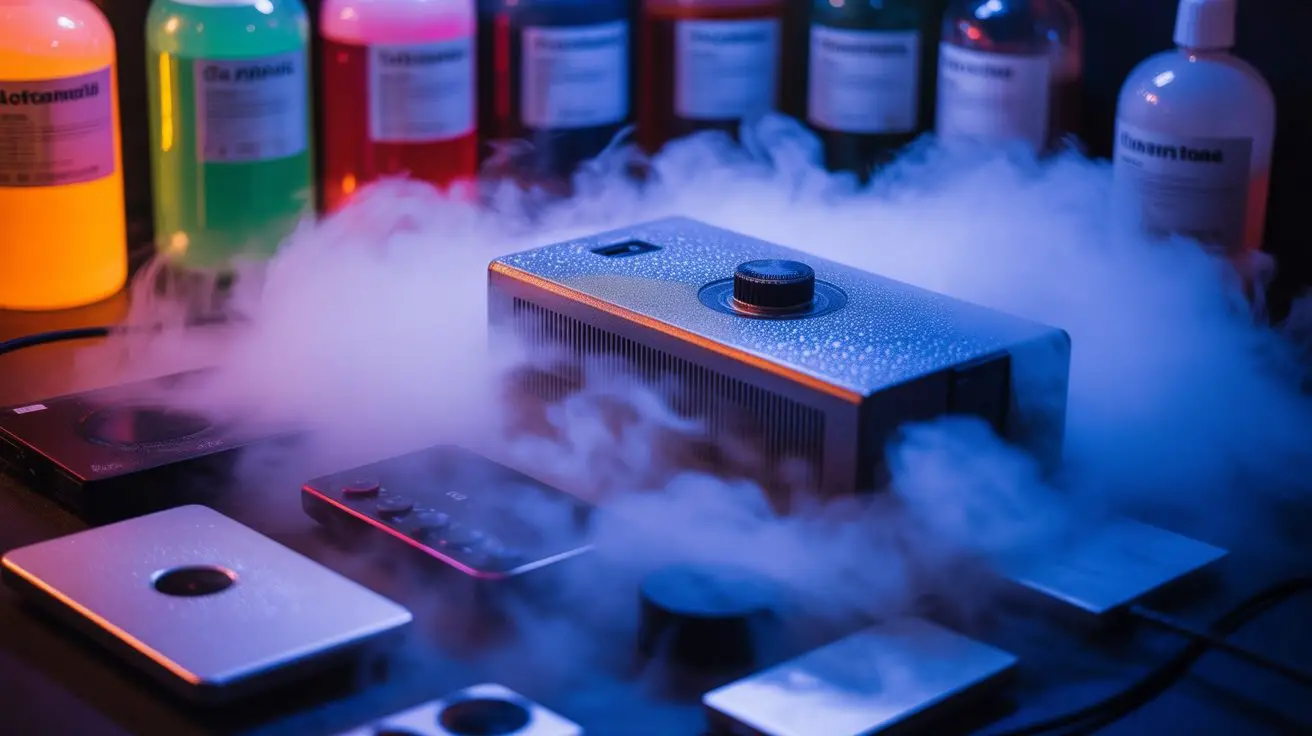
Most fog fluids are water-based: distilled water plus propylene glycol, other fog-grade glycols or glycerin. Some haze fluids are oil-based instead.
- Water-based fog fluid – the most common type, and it leaves little residue in normal use.
- Dense, long-lasting fluids – higher in glycol or glycerin, so they can leave a bit more film.
- Oil-based haze fluid – a very fine, long-hanging haze for pro hazers that can leave an oily film with heavy use.
Never use any fluid that contains ethylene glycol (antifreeze), which is toxic. You can read more about fog components before you buy.
Potential Risks to Electronic Equipment

The real risks are modest and mostly long-term. The main one is residue: with heavy use, a light film of fluid can settle on surfaces and hold dust.
The second is wet output near the nozzle. A machine can spit droplets, especially when the fluid is low or the machine isn’t fully heated, and you don’t want those landing on a mixer or laptop.
Short circuits from normal fog are very unlikely. Fog doesn’t soak gear the way a spilled drink does.
Moisture and Humidity Effects on Electronics

Fog adds some moisture to the air, but in a normal room the effect is small and temporary. It’s nothing like running electronics in a steamy bathroom.
Condensation is the thing to watch. Bringing cold gear into a warm, foggy room, or fogging heavily in a closed space for hours, makes moisture more likely to settle on it.
Airing the room out between sets keeps humidity and haze down. It also helps crew who face prolonged exposure near the machine.
Residue Buildup and Long-Term Damage
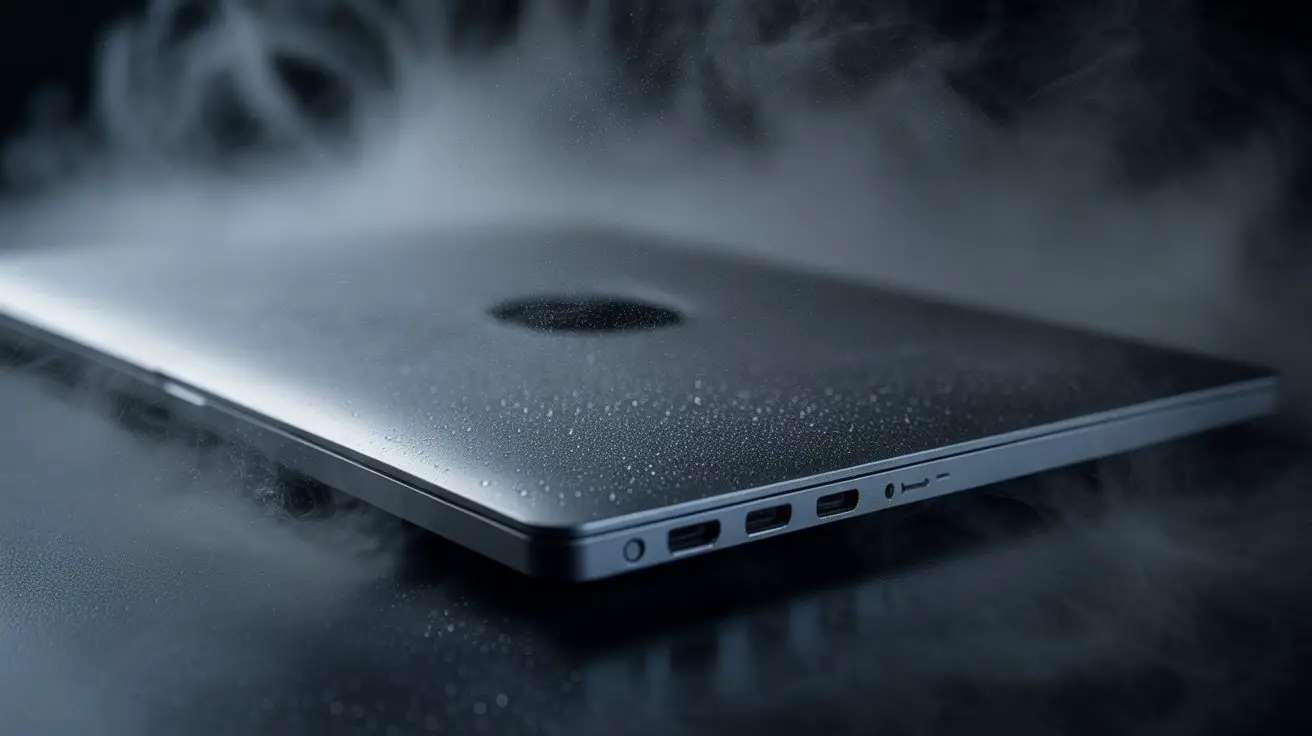
Residue builds slowly and is the main long-term issue. You’ll notice it as a slight film on screens, lenses and glossy surfaces, or extra grime in fans and filters.
Gear that pulls air through it, like projectors, computers and consoles, collects more. Clean filters and lenses more often if you fog a lot.
Good-quality fluid and modest output keep film to a minimum. See whether fog machines leave residue for cleanup tips.
Most Vulnerable Types of Electronic Devices
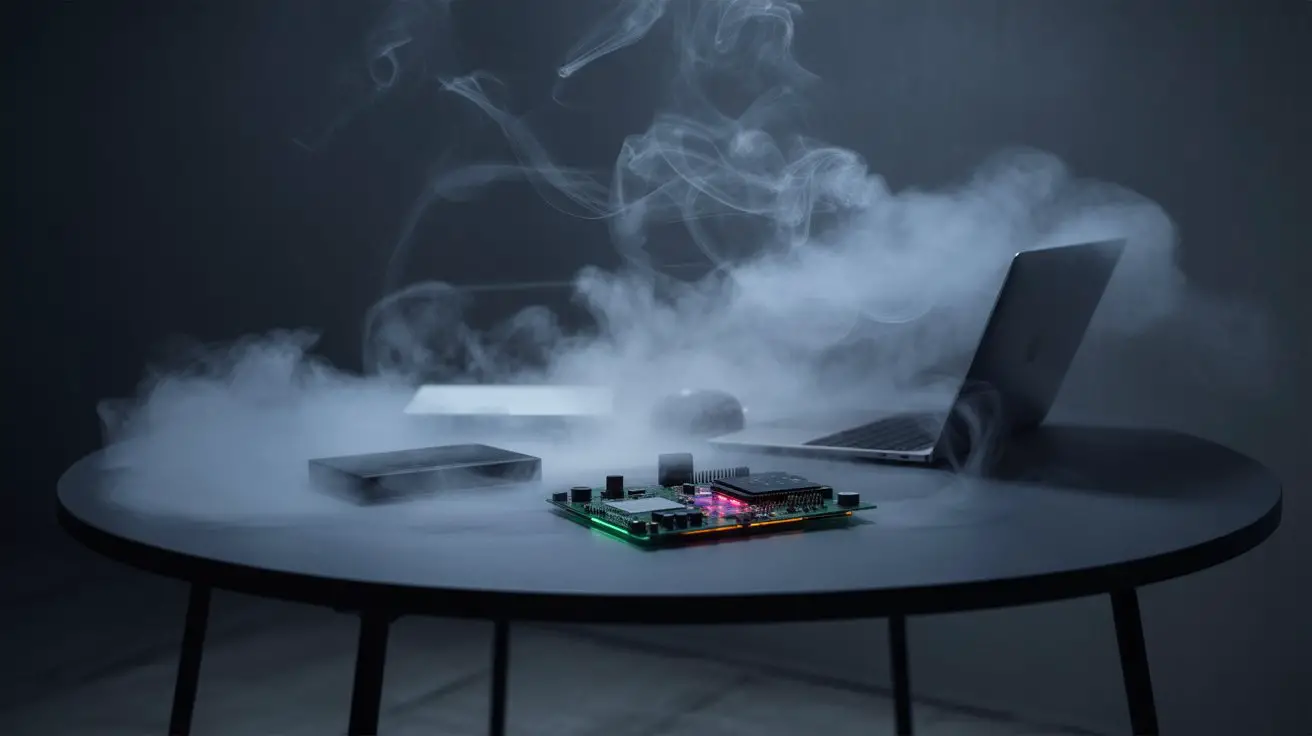
Some gear is more sensitive than others:
- Projectors – fans pull fog through, and film on the lens or filter dims the picture.
- Computers and game consoles – fans draw in air, so filters and heat sinks collect film and dust over time.
- Mixers and controllers – faders and knobs can get sticky if fog is aimed at them.
- Cameras – lenses pick up a film, so wipe them with a lens cloth after shoots.
Fog machines can also cause false alarms in venues, so check how the detectors are handled before you fog near your gear.
Safe Distance Guidelines for Equipment Placement
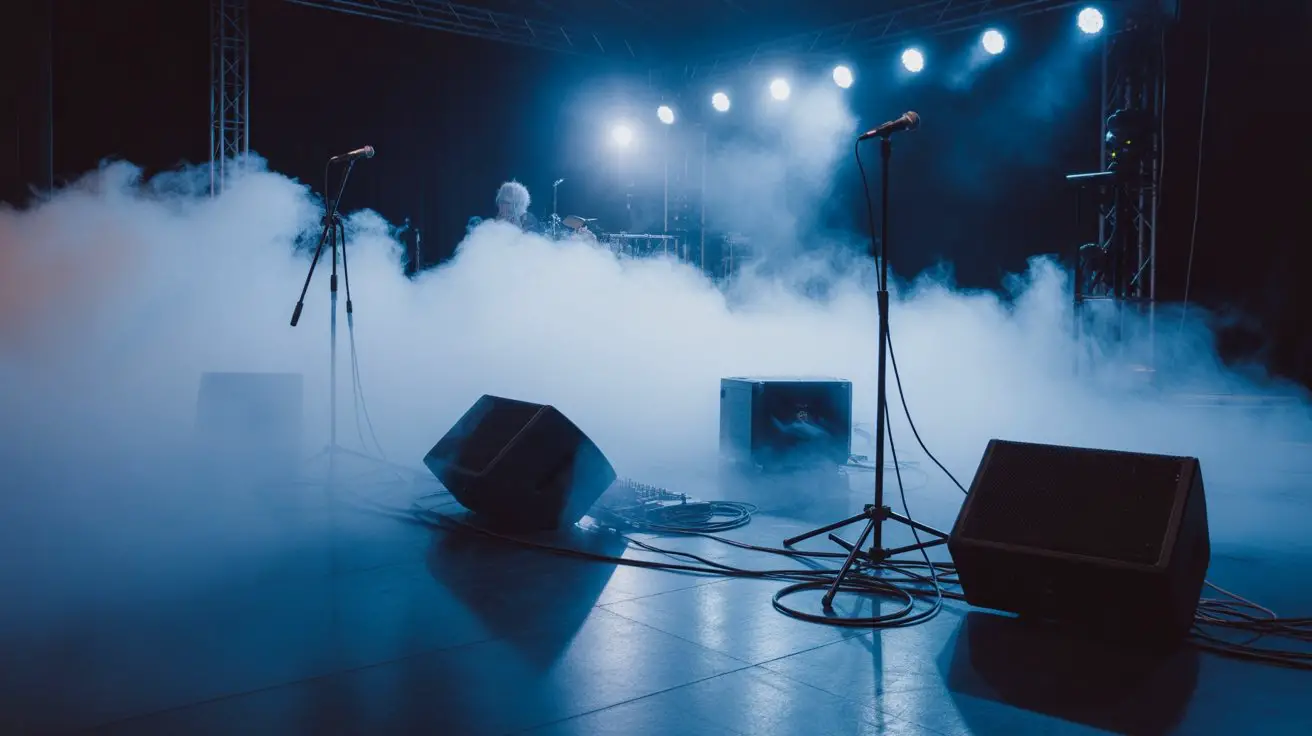
There’s no magic number, but a few feet of space and the right aim go a long way. Don’t point the nozzle at equipment, and keep gear out of the dense cloud right in front of the machine.
Let fog spread into the room rather than pooling around your booth. A small fan can steer it toward the dance floor and away from your table.
DJs can find more in our DJ booth fog safety tips.
Protective Measures and Best Practices
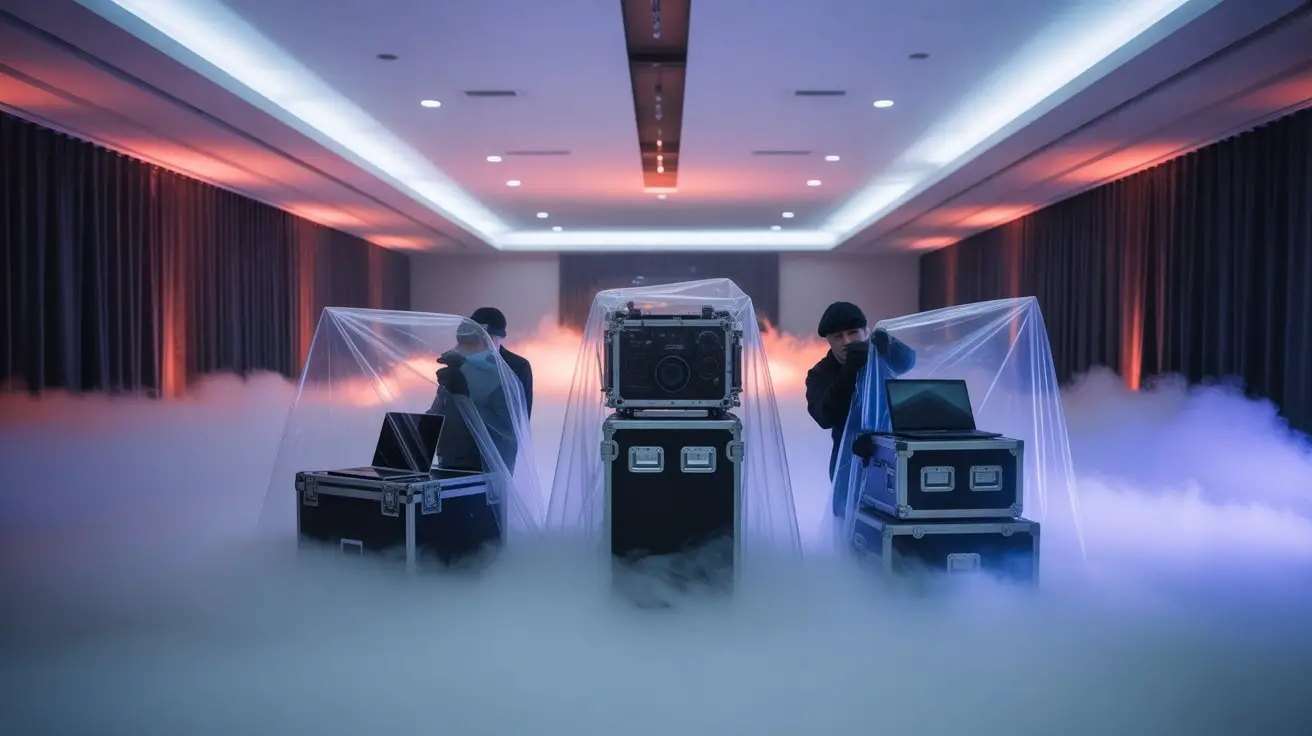
A few simple habits protect your electronics:
- Aim fog away from gear, and keep the machine a few feet from tables and screens.
- Use quality fluid made for your machine, and keep the machine clean so it doesn’t spit.
- Use only as much fog as you need; a light haze often looks better anyway.
- Air the room out between sessions.
- Cover gear when it’s not in use, and wipe screens and lenses after events.
- Clean projector and computer filters more often if you fog regularly.
Professional-Grade Vs Consumer Fog Machines
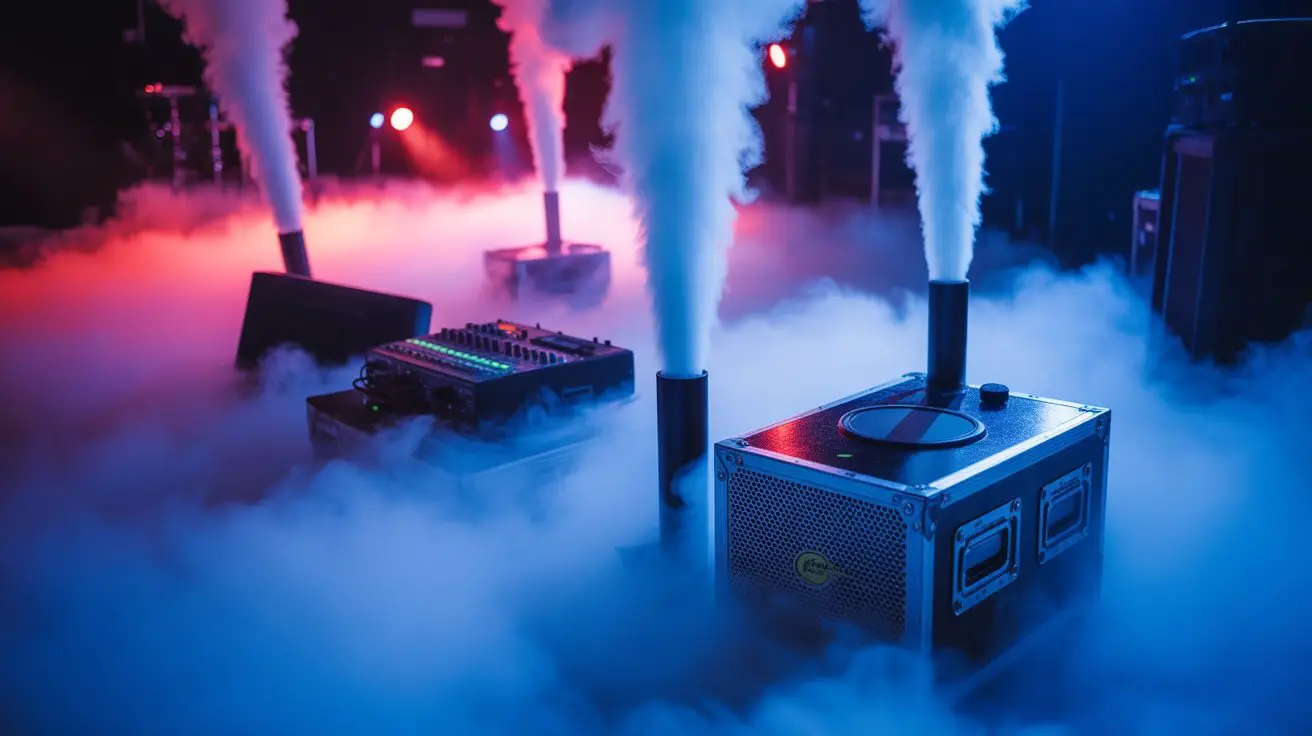
Pro machines make more fog and give finer control, with features like DMX and timers. That control helps you run just enough fog instead of filling the room.
Either type is fine around electronics if you use it sensibly. A big machine pointed at a laptop is a worse idea than a small one run in short bursts.
If you mainly want to show light beams, a haze machine gives a thin, even haze instead of thick clouds.
Alternative Atmospheric Effects for Sensitive Environments
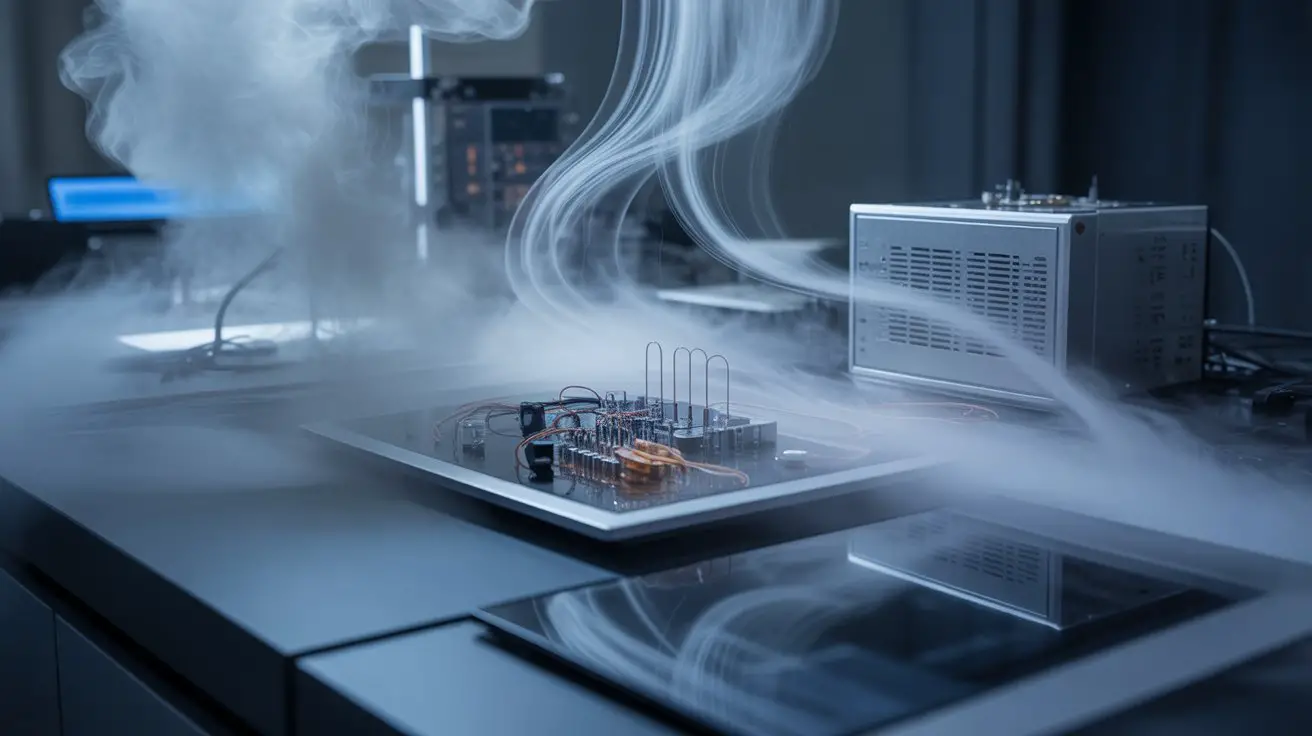
Near very sensitive equipment, like a server room or museum display, you can skip fog entirely:
- LED wash and moving lights for color and movement
- Projection effects on walls or screens
- UV-reactive decor under black lights
- Dry ice fog, which leaves no glycol residue, though it still adds moisture and needs good ventilation (never seal dry ice in a closed container)
Frequently Asked Questions
How Long Should I Wait After Fogging Before Turning Electronics Back On?
With normal fog, there’s usually no need to switch gear off at all. After heavy fogging, let the room clear and wipe off any visible film or moisture before powering sensitive gear back up.
Can Fog Machines Trigger Smoke Detectors or Fire Alarm Systems?
Yes, especially photoelectric smoke detectors, since fog particles scatter light the same way smoke does. Never disable detectors yourself; ask the venue or building manager what their fire rules allow before you fog.
Will Homeowner’s Insurance Cover Fog Machine Damage to My Electronics?
It depends on your policy, so check with your insurer. Coverage rules vary a lot.
Are There Specific Weather Conditions When Fog Machines Are Safer to Use?
Outdoors, rain is the real concern, so keep machines and power connections dry and use GFCI-protected outlets. Indoors, a ventilated room keeps haze and humidity down.
Can I Clean Electronics Myself After Accidental Fog Machine Exposure?
Yes, on the outside. Power the device down, wipe screens and lenses with a cleaner the maker approves, and clean filters; leave anything inside the case to a repair tech.
Conclusion
Fog machines and electronics get along fine in normal use, which is why clubs and theaters run them together every night. The risks come from heavy fogging in closed rooms and pointing fog straight at gear.
Aim it away, air the room out, use quality fluid and wipe things down now and then, and your equipment will be fine.