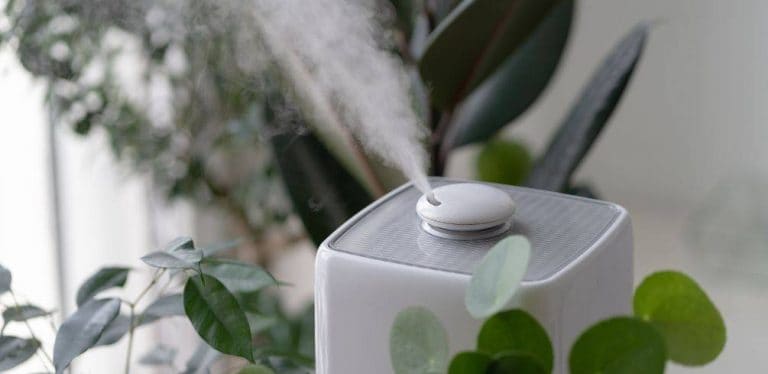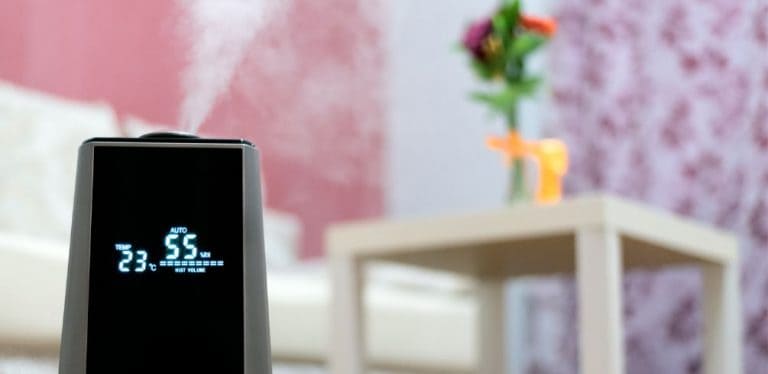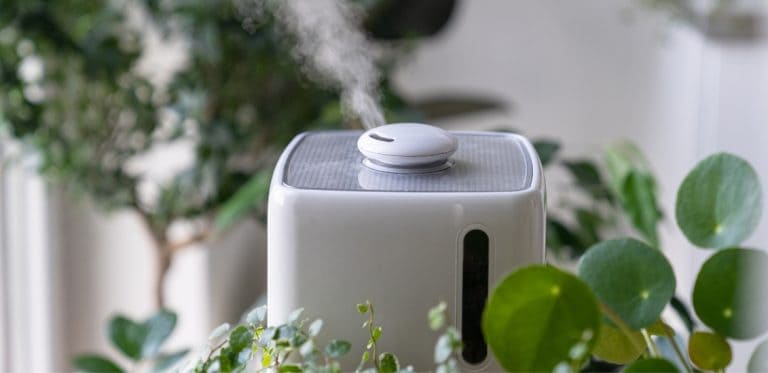
A humidifier is a great way to add moisture to the air; it can help with many respiratory problems. It’s winter, and you’re starting to feel congested.
You go to the store and buy a humidifier, but when you get home, you realize that you don’t know how to use it. Do you put hot or cold water in a humidifier? The answer might surprise you.
Use cool or room-temperature water in a humidifier, even a warm mist model, which heats the water itself. Hot water can warp a cool mist tank and helps germs grow in standing water. If you have hard water, distilled water will cut down on mineral build-up and white dust.
In this blog post, I will explain why cool water is the right choice and how warm mist humidifiers differ from simply pouring in hot water.
Benefits of Using Cold Water in a Humidifier
Using cold water in a humidifier comes with a few benefits.
Prolongs the Life of Your Humidifier
The cold water helps to prolong the life of your humidifier. Pouring hot water into a cool mist tank can warp the plastic and wear out parts that weren’t built for heat.
If you want your humidifier to last, it is best to use cold water.
Better for Your Health
Cool water is also the healthier choice. Warm water sitting in a cool mist tank helps bacteria and mold multiply, and an ultrasonic unit can spray them into the air.
Better Breathability
The Food and Drug Administration (FDA) recommends cool-mist humidifiers, mainly because warm-mist units can cause burns. Many people also find cool mist more comfortable to breathe.
Additionally, moist air can ease nasal swelling and mucus blockage. Perfect if you struggle to fall asleep at night due to respiratory problems.
Helps with Congestion
Cold water can also help with congestion. Any humidifier adds moisture, but cool mist does it without the burn risk.
The moisture in the air from a cold mist humidifier can help break up the congestion and make breathing easier. It is also helpful in reducing coughing fits.
Safer for Kids and Pets
If you have kids or pets, it is best to use a cold mist humidifier. Hot water poses a burn risk, especially for young children and pets.
Accidents can happen, and even seemingly insignificant acts can dramatically change one’s life. I discourage using hot water over cold since it could burn your child.
Your children or pet may accidentally tip the humidifier over while moving or running around the house. Heated water spilling out can cause a serious scald.
Additionally, there is a chance that the young child’s wandering hands will come in contact with the warm-mist humidifier’s heated steam.
Slows Mold Growth
Cold water is less likely to cause mold or bacteria growth in the tank, since warm standing water helps them multiply. Still, no humidifier is mold-proof, so empty, rinse and dry the tank daily and clean it weekly.
If you are using your humidifier in a child’s room, it is important to use cold water to help prevent any health problems.
Using Hot Water in a Humidifier
A warm mist humidifier is a different machine from a cool mist one with hot water poured in. You still fill it with cool water, and it boils the water into steam itself, which has its own benefits.
Moisturizes the Skin
Because it boils the water, a warm mist humidifier puts out steam that is largely free of bacteria and minerals. That means no white dust, even with tap water.
Some people also find the warm mist soothing in a cold room, and like any humidifier it can help dry skin.
Reduces Static Electricity
Like any humidifier, a warm mist unit adds moisture to the air, which helps cut down on static shocks in dry winter months.
Cons of Using Hot Water in a Humidifier
Pouring hot water into a humidifier is not recommended, and warm mist units have trade-offs of their own.
Can Warp a Cool Mist Tank
Hot tap water or boiled water can warp or crack the plastic tank of a cool mist humidifier. Fill it with cool or room-temperature water unless your manual says otherwise.
Can Cause Health Problems
In a cool mist humidifier, warm water left standing in the tank helps bacteria and mold grow. An ultrasonic model can then spray them into the air you breathe.
Poses a Burn Risk
A warm mist humidifier’s boiling water and steam pose a burn risk, especially for young children and pets. If your humidifier is tipped, the hot water can spill out and cause a serious burn.
Additionally, they could be burned if your child or pet comes in contact with the hot water.
Still Needs Cleaning
Even a warm mist unit collects mineral scale and residue in its tank and heating chamber. Empty, rinse and dry it daily, and descale it as the manual directs.
In a child’s room, a cool mist humidifier is the safer pick, because there is no hot water to spill.
Costs More to Operate
A warm mist humidifier uses more electricity than a cool mist model, because it has to boil the water. That adds to your energy bill.
Both types need regular cleaning. Warm mist units build up mineral scale, and cool mist units can grow bacteria and mold if water sits in the tank.
Things To Consider When Choosing Between Cold and Hot Water for Your Humidifier
Now that you know the pros and cons of using hot and cold water in a humidifier, you need to decide which is best for you.
There are a few things to consider when making your decision:
The Type of Humidifier You Have
The type of humidifier you have will determine whether you can use hot or cold water. Most manufacturers, including warm mist makers, say to fill the tank with cool water, so check your manual.
Your Location
If you live in an area with hard water, you may want to use distilled water in your humidifier. This will help to prevent any build-up of minerals in the unit.
Your Health
If you have asthma or allergies, keep any humidifier clean and keep indoor humidity between 30% and 50%, since too much moisture feeds dust mites and mold. A warm mist unit puts out cleaner steam, while a cool mist unit avoids burns, so ask your doctor which suits you.
Your Budget
A cool mist humidifier is cheaper to run than a warm mist model. Either way, filling it with cool water costs you nothing extra.
Your Personal Preferences
Whichever type you own, fill it with the water temperature your manual calls for, which is almost always cool. The real choice is between a cool mist and a warm mist machine.
If you have small kids or pets, cool mist is the safer choice.
Final Thoughts
I would recommend using cool water in your humidifier. It won’t warp the tank or help germs grow, and it’s what nearly every manufacturer calls for.
If you like warm mist, buy a warm mist humidifier, fill it with cool water and keep it where kids and pets can’t tip it. I hope this article has helped you decide how to fill your humidifier.
Thanks for reading.

Please be careful and use at your own risk
None of the authors, contributors, administrators, or anyone else connected with Wild Fog, in any way whatsoever, can be responsible for your use of the information contained in or linked from these web pages.